

How to Save Money on Pet Supplies: 7 Proven Methods

Table of Contents
- Why Pet Supply Costs Add Up Fast
- Buying Pet Supplies in Bulk: The Foundation of Savings
- Leverage Subscription and Autoship Programs
- DIY Pet Toys and Accessories on a Budget
- How to Budget for Pet Expenses Year-Round
- Smart Shopping: Price Comparison and Loyalty Rewards
- Preventative Care and Emergency Funds
- Conclusion
Last Updated: August 26, 2026
Why Pet Supply Costs Add Up Fast
Pet ownership brings joy, but the expenses can catch many new owners off guard. Food, toys, grooming supplies, medications, and emergency vet visits create a financial burden that compounds month after month. At Smitty's Pet Store, we've helped countless pet parents realize that saving money on pet supplies doesn't mean compromising on quality or your pet's health, it means being strategic about how you shop.
The real problem isn't that pet supplies cost too much. It's that most pet owners buy reactively instead of proactively. They grab what they need when they run out, missing bulk discounts and seasonal sales. They don't track pricing across retailers. They purchase premium brands without comparing ingredients or considering generic alternatives. Over a year, these small decisions add up to hundreds of dollars in unnecessary spending.
Here's what matters: a deliberate approach to buying pet supplies can cut your annual costs by 30-40% without sacrificing your pet's wellbeing. This guide covers seven proven methods to reduce pet supply expenses while maintaining the quality your pet deserves.
Buying Pet Supplies in Bulk: The Foundation of Savings
Buying pet supplies in bulk is the single most effective way to lower your costs. When you purchase larger quantities, you benefit from significantly lower per-unit prices. A 30-pound bag of dog food costs far less per pound than a 5-pound bag, even though it's the same product.
The strategy works because retailers reward volume purchases. They reduce their per-unit profit margin in exchange for larger orders and faster inventory turnover. For pet owners, this translates to direct savings that compound over months and years.
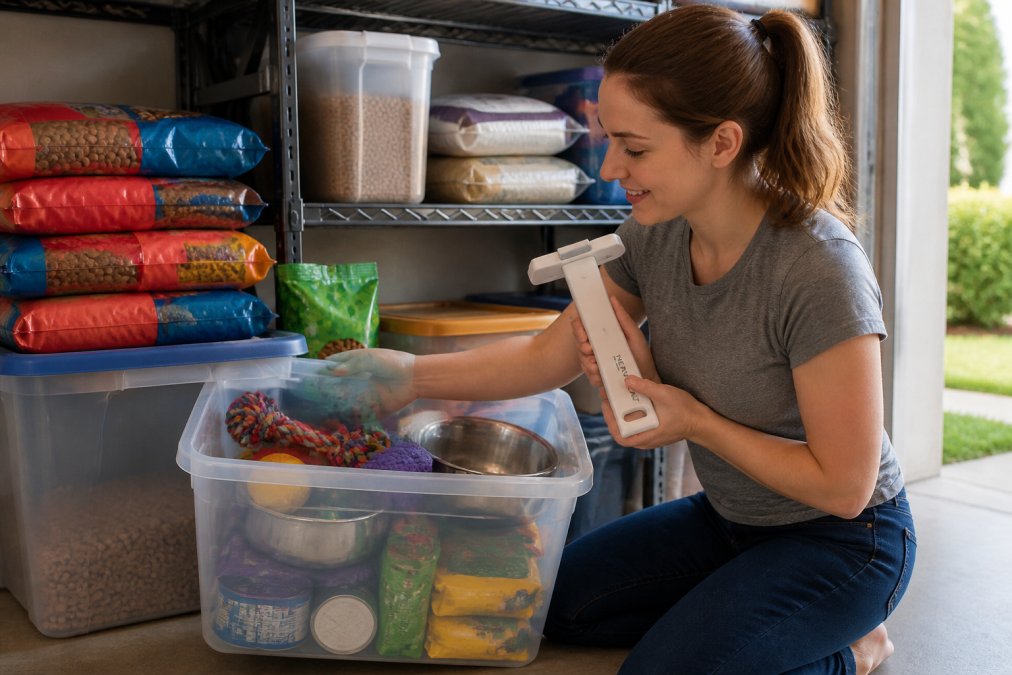
Start by identifying your pet's core consumables: food, litter, treats, and any regular medications or supplements. Calculate how much your pet consumes monthly, then determine how much storage space you have available. Most households can comfortably store 2-3 months' worth of supplies without creating clutter.
Buy in bulk during seasonal sales, typically around major holidays when retailers offer discounts on pet supplies. Black Friday, Cyber Monday, and back-to-school sales often include pet items. Plan ahead by stocking up before these events rather than waiting until you're running low.
Club memberships like Costco or Sam's Club offer additional bulk purchasing advantages. Annual membership fees typically pay for themselves within the first few months through pet supply savings alone. These retailers stock quality brands at lower prices than standard pet stores.
use Subscription and Autoship Programs
Subscription services and autoship programs represent a second pillar of cost savings. When you commit to regular deliveries, retailers offer discounts ranging from 5-20% off regular prices. These programs remove the friction of remembering to reorder while locking in savings automatically.
Most major online retailers now offer autoship options. You select your pet's food, treats, or supplies, choose a delivery frequency that matches your pet's consumption rate, and the order arrives on schedule. You can pause, skip, or modify orders anytime without penalty.
The math is straightforward: a 10% autoship discount on a $60 monthly food bill saves $72 per year. Stack this with bulk purchasing and the savings accelerate. Many autoship programs also waive shipping fees, which adds another 5-10% in value.
Set up autoship for predictable, recurring expenses: food, litter, medications, and supplements. Reserve manual purchasing for seasonal items, treats, or supplies you want to test before committing to regular deliveries. This hybrid approach balances convenience with flexibility.
DIY Pet Toys and Accessories on a Budget
Commercial pet toys are often overpriced for what they are. A rope toy that costs $12 at retail can be made at home for under $2. DIY pet toys and accessories give you quality entertainment for your pet while drastically reducing costs.

Many household items double as excellent pet enrichment. Old t-shirts can be braided into tug toys. Cardboard boxes become exploration tunnels. Plastic bottles with dried beans create noise toys. Tennis balls stuffed inside socks make fetch toys that last longer than store-bought versions.
The key is using safe materials. Avoid anything with small parts that could be swallowed, toxic paints, or sharp edges. Inspect homemade toys regularly for wear and replace them before they become choking hazards.
For cats, crumpled paper, cardboard boxes, and paper bags provide hours of entertainment at zero cost. A simple wand toy made from a stick, string, and feathers can be assembled in minutes. Dogs enjoy puzzle toys you can make by hiding treats inside toilet paper tubes or plastic containers with holes punched through them.
Grooming supplies also benefit from DIY approaches. Instead of expensive grooming brushes, a basic comb works well for most coats. For pet parents wanting professional-grade grooming tools, Smitty's Pet Store offers options like the Professional Pet Grooming Kit at $39.40, which includes detachable blades and multiple comb attachments.

How to Budget for Pet Expenses Year-Round
Effective budgeting prevents financial surprises and helps you allocate resources strategically. Create a monthly pet budget that accounts for food, supplies, preventative care, and emergency reserves.
Start by tracking actual spending for three months. Record every purchase: food, treats, toys, grooming, medications, and vet visits. This baseline reveals where your money goes and identifies opportunities to cut costs without sacrificing quality.
Divide expenses into fixed and variable categories. Fixed costs include food, litter, and regular medications, these remain relatively stable month to month. Variable costs include treats, toys, and grooming supplies, these fluctuate based on sales and your pet's needs.
Build an emergency fund within your pet budget. Set aside $50-100 monthly in a dedicated savings account for unexpected vet expenses. A sudden illness or injury can cost $500-2,000 without warning. This fund prevents financial panic and ensures your pet gets necessary care immediately.
Create a seasonal spending plan. Anticipate higher costs during winter (more indoor supplies, potential illness) and lower costs during spring and summer (fewer grooming needs). Allocate savings from low-cost months toward high-cost months.
Smart Shopping: Price Comparison and Loyalty Rewards
Price comparison across retailers is non-negotiable for serious savers. The same brand and product often cost 20-30% more at one retailer than another. A 5-minute price check can save you $10-20 per purchase.
Use online price comparison tools to check multiple retailers simultaneously. Most major retailers price-match competitors, so if you find a lower price elsewhere, you can often get that price at your preferred store. This removes the need to shop at multiple locations.
Loyalty programs reward repeat customers with points, discounts, and exclusive deals. Join every loyalty program offered by retailers where you regularly shop. These programs are free and accumulate savings quickly. A 5% loyalty discount on annual pet spending of $1,200 saves $60 per year, money that goes directly into your pocket.
Look for cashback credit cards that offer bonus rewards on pet supply purchases. Some cards offer 5% cashback at specific retailers or on specific categories. Using the right card for pet supply purchases adds another 2-5% in savings without changing your shopping habits.
According to the Consumer Reports guide to retail loyalty programs, households that actively use loyalty programs save an average of $300-500 annually across all shopping categories. Pet supplies are no exception.
Stack discounts strategically. Combine a sale price with a loyalty discount and an autoship discount for maximum savings. A product regularly priced at $40 might be on sale for $32, reduced to $28.80 with a 10% loyalty discount, and further reduced to $25.92 with a 10% autoship discount. The layering effect creates substantial savings.
Preventative Care and Emergency Funds
Preventative care costs far less than emergency care. A $200 annual wellness exam catches problems early, preventing $2,000+ emergency surgeries later. This isn't just about saving money, it's about your pet's long-term health.
Schedule annual wellness exams, dental cleanings, and vaccinations as recommended by your veterinarian. These routine visits maintain your pet's health and often cost less than emergency visits for preventable conditions. Many vets offer wellness packages that bundle these services at discounted rates.
Ask your veterinarian about generic medication options. Name-brand pet medications often cost 40-60% more than generic equivalents with identical active ingredients. For pets on long-term medications, this difference compounds dramatically over months and years.
Dental health is particularly important and often overlooked. Dental disease in pets leads to expensive extractions and infections. Regular brushing and professional cleanings prevent costly complications. The Floating Hair Removal Pet Grooming Cat Supplies at $26.17 helps maintain coat health and reduce matting, which prevents skin infections that require veterinary treatment.

Pet insurance is worth evaluating, though it's not right for every pet owner. Insurance premiums vary widely based on age, breed, and coverage level. For young, healthy pets, the premium might exceed the value of coverage. For older pets or breeds prone to specific conditions, insurance can protect against catastrophic expenses.
Research pet insurance options carefully. According to the National Association of Insurance Commissioners consumer guide, pet insurance typically covers 70-90% of eligible expenses after a deductible. Read policy details to understand what's covered and what's excluded.
Build an emergency fund specifically for pet medical expenses. Even without insurance, $1,000-2,000 in dedicated savings prevents difficult financial choices if your pet needs urgent care. This fund provides peace of mind and ensures your pet gets necessary treatment without delay.
Conclusion
Saving money on pet supplies requires intentional strategy, not sacrifice. Buying in bulk, using autoship discounts, creating DIY toys, budgeting systematically, comparing prices, and prioritizing preventative care work together to reduce costs by 30-40% annually. The methods covered here are accessible to every pet owner regardless of budget or lifestyle.
At Smitty's Pet Store, we're committed to helping you provide excellent care for your pets while managing costs responsibly. Our curated selection includes grooming tools like the Pet Grooming Brush Tool Pet Vacuum Cleaner Brush Attachment at $30.82, which maintains your pet's coat health and reduces matting, preventing costly skin infections. We combine quality products with practical guidance so you can feel confident in your pet parenting decisions. Start with one strategy from this guide, master it, then add another. Within three months, you'll notice meaningful savings in your pet care budget.

| Strategy | Estimated Annual Savings | Implementation Time |
|---|---|---|
| Buying in bulk | $150-300 | 1 hour setup |
| Autoship programs | $72-200 | 30 minutes setup |
| DIY toys and accessories | $100-200 | Ongoing, minimal effort |
| Strategic budgeting | $200-400 | 2-3 hours monthly |
| Price comparison and loyalty | $100-300 | 15 minutes per purchase |
| Preventative care | $500-1,500 | Annual vet visits |
For more guidance on specific products or personalized recommendations based on your pet's needs, visit Smitty's Pet Store. We're here to make pet care simple, joyful, and stress-free while keeping your budget intact. According to the American Pet Products Association industry trends report, pet owners who implement multiple cost-saving strategies maintain higher satisfaction with their pet care decisions and report less financial stress about pet-related expenses.
Frequently Asked Questions
Q: What is the most effective way to save money on pet supplies?
A: Combining three strategies yields the best results: buying pet supplies in bulk for staples like food and litter, enrolling in subscription or autoship programs for recurring discounts (typically 5-20% off), and using loyalty programs that offer cashback rewards. Many pet parents save 30-40% annually by stacking these methods. Start with whichever matches your pet's needs first, food for dogs and cats, or litter for cats.
Q: Is it worth buying pet supplies in bulk?
A: Yes, bulk buying works best for non-perishable items with long shelf lives: dry kibble, canned food, litter, treats, and grooming supplies. Calculate the per-unit cost before purchasing. Store bulk items in airtight containers to prevent spoilage and pest access. Avoid bulk-buying fresh or refrigerated foods unless you have proper storage. Many bulk purchases pay for themselves within 2-3 months.
Q: How can I create a budget for pet expenses?
A: Break pet expenses into fixed costs (food, litter, routine vet visits) and variable costs (toys, treats, emergency care). Set aside 10-15% of your pet budget monthly for unexpected veterinary expenses or emergency funds. Track spending for two months to establish your baseline, then allocate funds accordingly. Include preventative care costs like vaccinations and dental cleanings to avoid larger bills later.
Q: Are generic pet supplies safe compared to name-brand products?
A: Generic pet supplies are safe if they meet the same ingredient standards and quality control as name brands. Check labels for AAFCO certification for pet food, which applies equally to generic and premium brands. Compare nutritional requirements and ingredient lists rather than brand names. Many generic grooming tools and accessories perform identically to pricier alternatives. When in doubt, start with a small purchase to test your pet's response.
This article was written using GrandRanker