

How to Choose Safe Toys for Pets: A 2026 Guide

Table of Contents
- Understand Your Pet's Size, Breed, and Play Style
- Identify Pet Toy Safety Hazards to Avoid
- Select Durable Dog Toys for Aggressive Chewers
- Choose Safe Materials for Pet Toys
- How to Clean Pet Toys Safely
- Supervise Play and Know When to Replace Toys
- Age-Specific Toy Safety: Puppies, Adults, and Seniors
- Conclusion
Last Updated: August 22, 2026
Understand Your Pet's Size, Breed, and Play Style
Match toys to your individual animal, a toy safe for a 10-pound Chihuahua becomes a choking hazard for a 90-pound German Shepherd. Similarly, a senior dog with worn teeth needs different options than a teething puppy.
Assess three core factors: size, breed characteristics, and play intensity. Size determines baseline toy dimensions; toys should be large enough that your pet cannot fit the entire toy in their mouth. Breed matters because some dogs are bred to chase, others to retrieve, and others to dig. A Border Collie needs mental stimulation through puzzle toys, while a Bulldog prefers gentler chewing options due to their jaw structure.
Play style is equally critical. Does your pet destroy toys in minutes, or do they carry the same toy for months? Aggressive chewers need industrial-strength materials like TPU rubber or reinforced nylon, while gentle players can enjoy softer plush toys. At Smitty's Pet Store, we recommend starting with one toy per play style your pet exhibits, then expanding based on what they actually engage with.
Watch your pet during their first play session with any new toy. Do they immediately try to tear it apart, or do they carry it gently? This real-world feedback tells you far more than any product description.
Identify Pet Toy Safety Hazards to Avoid
Pet toy safety hazards fall into three main categories: choking risks, toxic materials, and physical damage like splintering.

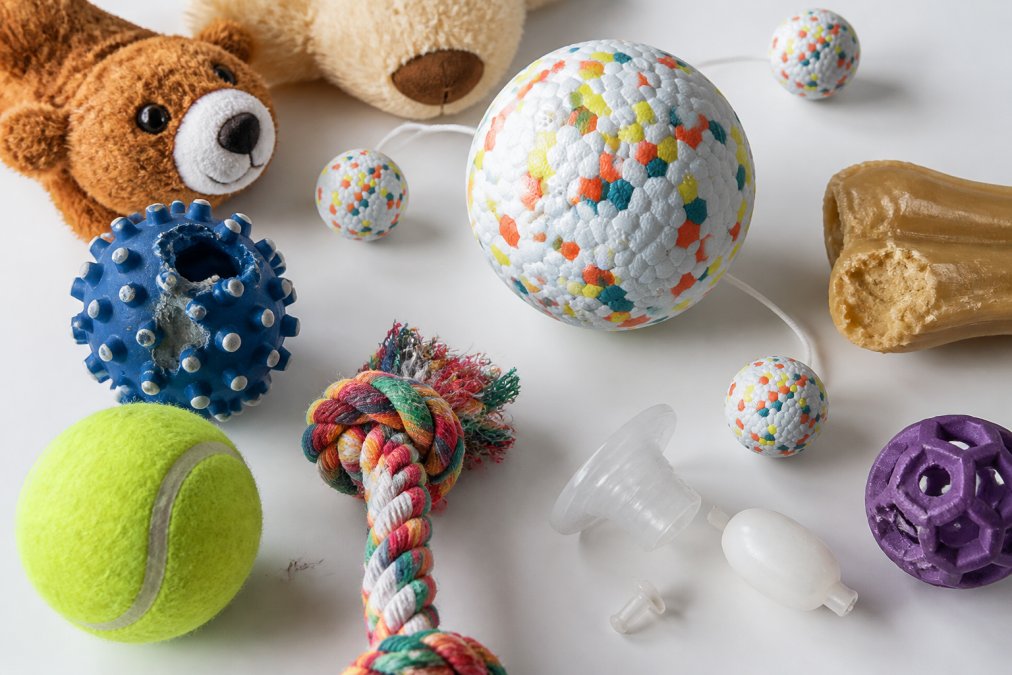
Choking Hazards and Detachable Parts
Choking hazards represent the most immediate danger when selecting safe toys for pets. Any toy component smaller than your pet's throat diameter poses a risk, including squeakers, bells, plastic eyes, and button noses on stuffed animals.
Inspect toys before purchase by attempting to remove small parts with your fingers. If a squeaker pulls free easily, your pet can dislodge it. Even toys marketed as pet-safe can have manufacturing defects; always verify construction quality yourself.
Rope toys present a specific concern because fibers can unravel and become ingestion risks. While rope toys offer benefits for dental health and mental stimulation, they demand constant supervision. Never leave a rope toy with a pet unsupervised, and remove it immediately if fibers start separating. If your pet swallows rope fibers, contact your veterinarian, intestinal obstruction from rope is a genuine emergency requiring surgery (peer-reviewed research).
Rawhide chews carry their own choking risk. These products soften and break down as your pet chews, sometimes creating large chunks that lodge in the throat. Monitor rawhide use closely, and remove the chew when it becomes small enough to swallow whole.
Toxic Materials and Chemical Safety
Not all toys marketed as pet-safe actually are. Some contain toxic dyes, heavy metals, or chemical coatings that leach into your pet's system through saliva and ingestion.
Look for toys explicitly labeled with pet-safe dyes and non-toxic materials. Legitimate manufacturers provide third-party testing documentation. Lead and phthalates represent the primary chemical concerns. Lead can cause neurological damage with chronic exposure, while phthalates (plasticizers used to soften plastics) disrupt hormonal function (peer-reviewed research). Both are banned in toys for human children in the United States, yet some pet toy manufacturers still use them because pet products face less regulatory oversight (cpsc.gov).
Natural rubber and TPU materials are generally safer than PVC or cheap plastics. If a toy has a strong chemical smell, don't buy it, that odor indicates off-gassing of volatile organic compounds.
Splintering, Tearing, and Sharp Edges
Toys that splinter or develop sharp edges during use create internal injuries. Wood-based toys, certain rawhide alternatives, and low-quality plastics all splinter readily.
Inspect the toy's surface for rough spots, cracks, or sharp edges before giving it to your pet. Run your finger across seams and joints; anything that catches your skin will damage your pet's mouth and digestive tract. Natural materials like wood and bone often create splinters that cause serious internal bleeding.
Toys with poor stitching are particularly dangerous because they unravel during play, exposing sharp plastic frames or wire reinforcement. Examine seams closely; they should be double-stitched with no loose threads visible. Toys from Smitty's Pet Store are selected specifically for reinforced stitching and durable construction that prevents these failures.
Select Durable Dog Toys for Aggressive Chewers
If your dog destroys toys in minutes, standard plush toys are a waste of money. Aggressive chewers need materials engineered to withstand sustained force without breaking apart.
TPU and Natural Rubber Materials
TPU (thermoplastic polyurethane) is the gold standard for aggressive chewers. This synthetic rubber resists tearing, doesn't splinter, and maintains structural integrity even under extreme chewing pressure. TPU toys are dense, durable, and safe if they don't contain toxic dyes or coatings.
The Dog Molars Pet Toy Ball from Smitty's Pet Store exemplifies this approach. Built from TPU material specifically designed for bite-resistant performance, it withstands the most aggressive chewing without breaking apart or creating sharp fragments. At $27.71, it represents a genuine investment in durability, you'll replace it far less frequently than cheaper alternatives.

Natural rubber offers similar benefits with a slightly more organic feel. Nylon bones represent another durable option, though they require careful selection. High-quality nylon bones remain intact through aggressive chewing, but inspect them regularly for wear patterns that indicate splintering has begun.
Reinforced Stitching and Tear-Resistant Design
For plush toys that aggressive chewers won't immediately destroy, look for reinforced stitching and tear-resistant fabric. Double-stitched seams with heavy-duty thread resist unraveling far longer than single-stitched alternatives.
Fabric choice matters enormously. Canvas and heavy-duty polyester hold up better than fleece or thin cotton. Toys designed for aggressive chewers often feature reinforced seams at stress points like corners and edges where dogs apply maximum force.
Test the toy's construction yourself before purchase. Try to tear a seam with your hands; if you can do it easily, your dog definitely can.
Choose Safe Materials for Pet Toys
Material selection determines both safety and longevity.
Non-Toxic Materials and Pet-Safe Dyes
Pet-safe dyes are manufactured to prevent color leaching into saliva and digestive systems. Legitimate manufacturers use food-grade dyes or natural colorants that don't release toxic compounds during chewing.
Toys dyed with pet-safe dyes maintain color consistency even after extended chewing and saliva exposure. If a toy's color fades dramatically after a few play sessions, the dye is likely leaching into your pet's mouth.
Natural materials like untreated wood, hemp, and cotton rope offer alternatives to synthetic dyes. These materials may lack vibrant colors, but they eliminate chemical exposure concerns entirely. Avoid toys with bright neon colors unless the manufacturer explicitly certifies pet-safe dyes.
Digestible Chews vs. Indigestible Options
Digestible chews like rawhide, bully sticks, and yak cheese are designed to break down in your pet's stomach. Indigestible toys like rubber balls and nylon bones pass through your pet's system unchanged.
Digestible chews require active monitoring because they can create blockages if swallowed in large chunks. Remove them when they become small enough to swallow whole, and supervise all chewing sessions.
Indigestible toys are safer for unsupervised play because they won't cause intestinal blockages if swallowed. However, they must be durable enough that your pet can't break them into small pieces. The Pet Toys Acorn Shape Feeding Toy Ball from Smitty's Pet Store ($28.85) represents the indigestible category, it's designed to withstand chewing without breaking apart, making it safer for unsupervised play.
How to Clean Pet Toys Safely
Regular cleaning prevents bacterial buildup that causes infections and illness. Most pet owners underestimate how quickly bacteria colonize toys, especially soft toys that trap moisture and saliva.
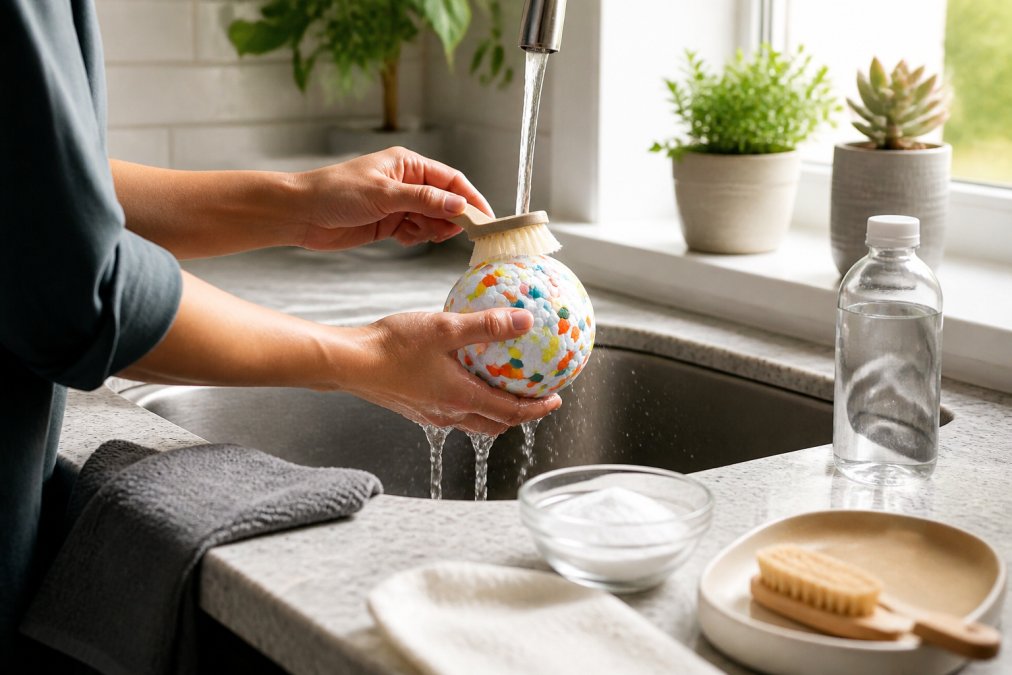
Preventing Bacterial Buildup
Bacteria thrive in moist environments, making damp toys ideal breeding grounds. Clean toys at least weekly, more frequently if your pet plays with them outdoors or in wet conditions.
Rubber and TPU toys can be hand-washed in warm soapy water using a soft brush to reach crevices where bacteria hide. Rinse thoroughly to remove all soap residue, and air-dry completely before returning the toy.
For toys with squeakers or electronic components, hand-washing is safer than machine washing, which can damage internal mechanisms. Wipe these toys with a damp cloth instead, then dry thoroughly.
Plush toys can go in the washing machine on a gentle cycle with pet-safe detergent, but check the manufacturer's instructions first. Air-dry rather than machine-drying to prevent shrinkage and material damage.
Rope toys demand extra attention because fibers trap moisture deep within the toy. Wash them thoroughly, then hang them to dry completely before returning them to your pet.
Storage and Hygiene Best Practices
Keep toys in a clean, dry location away from direct sunlight, which degrades materials over time. A dedicated toy bin keeps toys organized and prevents them from accumulating dust and debris on floors.
Rotate toys to reduce wear on individual items and maintain your pet's interest. Never store wet toys in closed containers, which create perfect conditions for mold growth. Ensure toys are completely dry before storage.
Supervise Play and Know When to Replace Toys
Choosing safe toys for pets is only half the equation. How you manage play and maintain toys determines whether they remain safe throughout their lifespan.
Supervised vs. Unsupervised Play
Supervision level should match your toy selection. Toys with detachable parts, rope fibers, or digestible materials require active monitoring. Never leave these toys with your pet unsupervised.
Durable indigestible toys like the Dog Molars Pet Toy Ball can remain with your pet during unsupervised periods because they won't break apart or cause blockages. However, even durable toys should be removed if your pet shows signs of injury, excessive drooling, reluctance to eat, or vomiting.
Establish clear household rules about toy access. Some families allow toys during the day but remove them at night and when no one is home. Watch for play patterns that indicate danger. If your pet is attempting to tear apart a toy rather than play with it normally, remove the toy immediately.
Inspection Schedule and Wear-and-Tear Signs
Inspect toys weekly for damage, even durable ones. Look for cracks, tears, loose stitching, or pieces beginning to separate. Small damage worsens rapidly during play, so catch problems early.
Replace toys showing visible wear before they fail completely. A toy with a small tear will enlarge with each chewing session until your pet can break off pieces. Toys that smell bad, show discoloration, or feel slimy indicate bacterial or mold growth and should be discarded immediately.
Keep a replacement schedule. Aggressive chewers may need new toys monthly, while gentle players might use the same toy for years.
Age-Specific Toy Safety: Puppies, Adults, and Seniors
Toy safety needs change throughout your pet's life.
Puppies have developing teeth and weaker jaws, making them vulnerable to toys that adult dogs handle safely. Avoid hard toys like nylon bones or hard rubber balls for puppies under six months old. Soft toys with reinforced stitching work better, though puppies still require constant supervision.
Teething puppies benefit from toys designed specifically for sore gums. Cold toys (refrigerated before play) soothe inflammation, and softer materials won't damage emerging teeth. The Pet Latex Toys Hippo Squeaky Toys ($22.07) from Smitty's Pet Store offer appropriate softness for puppies while providing the interactive play puppies need for development.
Adult dogs in their prime handle standard durable toys well. This is the phase where aggressive chewers can safely use TPU and reinforced nylon toys.
Senior dogs often have worn teeth, dental disease, or jaw weakness that makes hard toys problematic. Softer toys and puzzle toys that encourage gentle interaction work better than hard chewing toys. Senior dogs also benefit from interactive toys like the Pet Dog Sniff & Snack Puzzle Ball ($26.89), which provides mental stimulation without requiring aggressive chewing.

Choosing safe toys for pets requires ongoing attention, not a one-time decision. Start by matching toys to your individual pet's size, play style, and age. Inspect toys regularly for damage, clean them weekly to prevent bacterial growth, and replace worn toys before they become hazards. At Smitty's Pet Store, we've curated a selection of toys specifically tested for durability and safety, so you can feel confident that your pet is playing with products designed to keep them healthy. When you're ready to refresh your pet's toy collection with toys that actually last, explore our selection of TPU chew toys, puzzle toys, and interactive options, each chosen to match the play styles and safety needs of real pets.
Frequently Asked Questions
What are the safest materials for pet toys?
The safest materials for pet toys include natural rubber, TPU (thermoplastic polyurethane), and non-toxic latex. These materials are durable, resist tearing, and don't splinter. Avoid toys made with rawhide that can splinter, or those with loose squeakers that pose ingestion risks. Always check that toys use pet-safe dyes and are free of harmful chemicals like BPA or phthalates. When shopping at Smitty's Pet Store, we curate toys specifically for material safety.
How often should I inspect my pet's toys for wear and tear?
Inspect toys at least once weekly, or more frequently if your pet is an aggressive chewer. Look for signs of deterioration: loose threads, cracks, splintering, missing squeakers, or pieces of material that could break off. Replace any toy showing these signs immediately to prevent choking hazards or ingestion risks. For interactive toys and puzzle balls, also check that all components remain securely attached.
What types of toys should be avoided for pets?
Avoid toys with small detachable parts, rawhide chews that splinter easily, toys with loose squeakers, and anything with sharp edges or rough seams. Skip toys made with toxic dyes or containing chemicals like BPA. Avoid rope toys for aggressive chewers, as fibers can cause intestinal obstruction. Don't use toys with muzzle-sized constraints for your pet's mouth anatomy. Always choose toys appropriate for your pet's size and chewing intensity.
Are there specific safety standards for pet toys in the US?
Pet toys are regulated by the Consumer Product Safety Commission (CPSC) under the Federal Hazardous Substances Act. Toys must be free from toxic materials and meet durability standards. However, standards vary by toy type. Look for toys that meet ASTM International standards for pet products. Reputable retailers like Smitty's Pet Store select toys that exceed baseline safety requirements, ensuring products are tested for durability, non-toxicity, and absence of choking hazards.
This article was written using GrandRanker