

Cat Grooming Supplies: Complete Guide to Tools & Techniques

Table of Contents
- Essential Cat Grooming Supplies You Actually Need
- Best Cat Brushes for Shedding and Coat Maintenance
- Cat Nail Trimming Tips and Tools
- How to Bathe a Cat Safely at Home
- Breed-Specific Grooming Requirements
- Safety Protocols and Handling Techniques
- Building Your Cat Grooming Routine
- Frequently Asked Questions
Last Updated: September 3, 2026
Essential Cat Grooming Supplies You Actually Need
Cat grooming supplies are more than just nice-to-have items, they're foundational tools that keep your cat's coat healthy, reduce shedding around your home, and catch potential health issues early. Most new cat owners start by buying whatever's available at the nearest store, then wonder why their cat's coat looks matted or why grooming sessions turn into battles. The real difference isn't spending more money; it's having the right tools for your specific cat's needs.
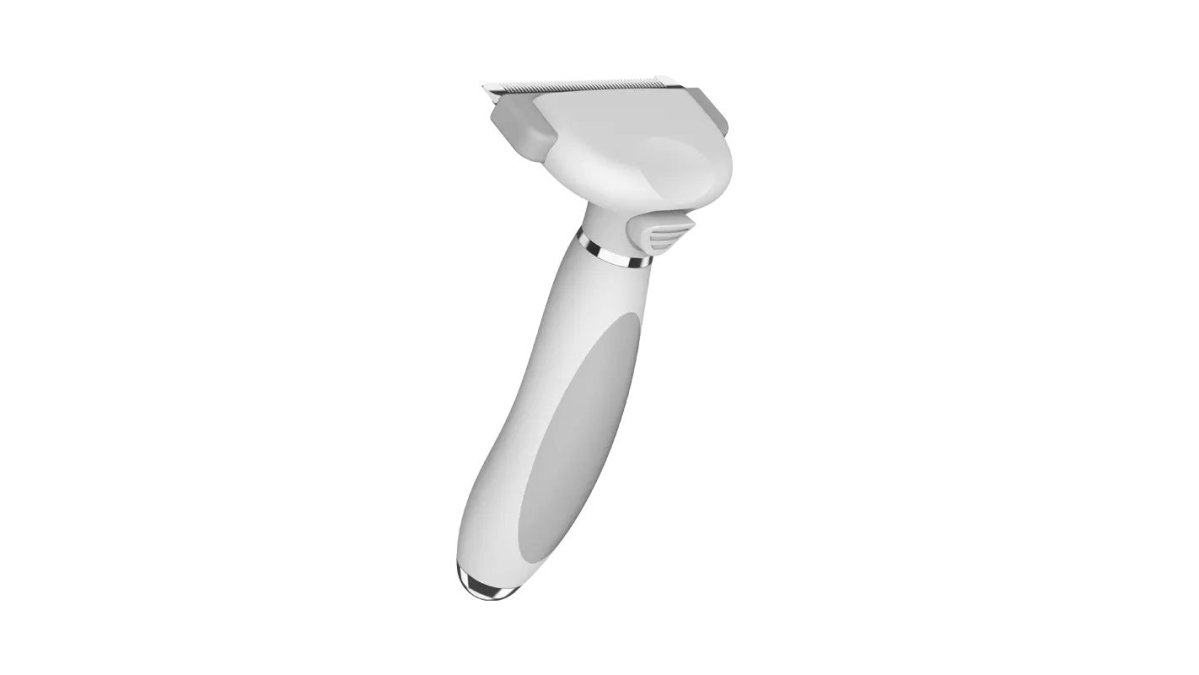
At Smitty's Pet Store, we've curated a selection of cat grooming supplies that work for different coat types and temperaments. The core toolkit doesn't need to be expensive or complicated. You need a slicker brush for mat removal, a metal comb for detangling, nail clippers designed for cats (not dogs), and styptic powder for accidents. Add grooming gloves and pet wipes, and you've covered 90% of what most cats require.
The mistake many owners make is treating grooming as a once-a-month task. Cats with undercoat issues benefit from regular brushing, two to three times weekly prevents mats and reduces the dander and loose hair that end up on your furniture (avma.org). Short-haired cats need less frequent attention, but even they benefit from weekly sessions. The tools matter less than consistency.
Start with essentials and add specialty items only if your cat needs them. A deshedding tool helps during shedding season, but it's not mandatory for every cat. Waterless shampoo works for spot cleaning without stressing cats who hate water. Ear cleaning solutions and dental care supplies become relevant only if your vet recommends them. Build your collection based on actual needs, not marketing.
Best Cat Brushes for Shedding and Coat Maintenance
Choosing the right brush determines whether grooming feels effortless or frustrating. A slicker brush works for most cats because the fine, short wires remove tangles and loose undercoat without pulling skin. A buttercomb (also called a fine-tooth comb) detangles problem areas and catches fleas if needed. These two tools handle nearly every coat maintenance scenario.
| Brush Type | Best For | Key Feature |
|---|---|---|
| Slicker brush | Mats and undercoat removal | Short wires remove loose hair efficiently |
| Metal comb | Detangling and flea detection | Fine teeth work through coat layers |
| Grooming gloves | Anxious cats and short coats | Feels like petting, reduces stress |
| Deshedding tool | Heavy shedding seasons | Removes undercoat without damaging guard hairs |
The Floating Hair Removal Pet Grooming Cat Supplies brush from Smitty's Pet Store ($26.17) combines slicker functionality with ergonomic design. Made from stainless steel and ABS, it comes in three sizes, small for kittens and delicate cats, medium for average adult cats, and large for Maine Coons or other substantial breeds. The small size (13.5 x 5.8 cm) fits comfortably in your hand and reaches tight spaces without forcing.

A common mistake is using human hair brushes or dog-specific tools on cats. Human brushes lack the density to reach undercoat, and dog brushes often have wires too coarse for feline skin. Cat-specific brushes have shorter, finer wires that work with cat coat structure instead of against it.
Metal combs deserve their own investment. The Pet Grooming Tool ($25.34) from Smitty's Pet Store uses stainless steel teeth and ABS handles for durability. After brushing with a slicker, run the comb through to catch remaining tangles and check for parasites. This two-step approach prevents mats from forming and catches problems early.
Grooming gloves work surprisingly well for cats that resist traditional brushes. They feel like petting, so anxious cats relax during grooming. Gloves work best on short-haired cats and during maintenance sessions rather than heavy detangling work.
Cat Nail Trimming Tips and Tools
Nail trimming intimidates many cat owners because one wrong move draws blood and teaches your cat to fear grooming sessions. The key is understanding cat nail anatomy and using the right tool. Cat nails have a clear outer shell and a pink quick inside, trim only the clear part, leaving at least 2-3 millimeters before the quick.
Start with a proper nail clipper designed for cats. Scissor-style clippers give more control than guillotine-style ones. Position the clipper perpendicular to the nail and make one smooth cut, don't squeeze slowly or you'll crush the nail instead of cutting it cleanly. Have styptic powder on hand for accidents; it stops bleeding in seconds.
Trim nails every two to three weeks for indoor cats (avma.org). Outdoor cats wear their nails naturally, but indoor cats accumulate length. Long nails cause discomfort, damage furniture, and sometimes curl back into the paw pad. Regular trimming prevents these issues entirely.
Styptic powder is non-negotiable. It contains a coagulant that stops bleeding without pain. Apply directly to the nail tip if you accidentally clip into the quick. The powder stings slightly but works in seconds. Keep it within arm's reach during every nail-trimming session.
How to Bathe a Cat Safely at Home
Most cats dislike water, but some situations require bathing: excessive dander, skin conditions, or encounters with something sticky. The approach matters more than forcing your cat into water. Preparation prevents panic, and patience prevents injury.
Fill a shallow basin or sink with lukewarm water, about four to five inches deep. Test the temperature on your inner wrist; it should feel neutral, not hot or cold. Have towels, grooming supplies, and pet wipes ready before you start. Never leave a bathing cat unattended, even for seconds.
Wet your cat's body gradually, starting at the back legs and moving toward the head. Avoid the face, ears, and eyes. Use a handheld sprayer or cup to pour water gently. Talk to your cat in calm, reassuring tones throughout. Most cats tolerate bathing better when they feel secure and hear familiar voices.
Use pH-balanced shampoo formulated for cats. Human shampoo and dog shampoo can irritate feline skin because cat skin pH differs from other species. Waterless shampoo offers an alternative for cats that panic in water, it cleans without rinsing and reduces stress significantly.
Rinse thoroughly until water runs clear. Soap residue causes itching and skin irritation. Pat dry with towels rather than using a blow dryer, which frightens most cats. If your cat tolerates heat, use a dryer on the lowest setting, held at least 12 inches away.
Breed-Specific Grooming Requirements
Different breeds have vastly different grooming needs. Long-haired breeds like Persians and Maine Coons require daily brushing to prevent matting and reduce shedding. Short-haired breeds need weekly maintenance. Understanding your breed's coat structure helps you choose the right cat grooming supplies and establish realistic routines.
Persians and Himalayans have dense, long coats that mat easily if neglected. Daily slicker brush work is essential, plus regular professional grooming every four to six weeks. Their grooming needs are high-maintenance, but the alternative is painful mats that require shaving.
Maine Coons have semi-long coats with water-resistant guard hairs. They shed heavily but mat less than Persians. Twice-weekly brushing prevents most problems. Their size means you need larger grooming tools, the medium or large slicker brush handles their coat better than small versions.
British Shorthairs and American Shorthairs have dense double coats that shed seasonally. Weekly brushing during off-season and two to three times weekly during shedding season keeps loose hair under control. A deshedding tool works well during heavy shedding periods.
Siamese and other short-haired, single-coated breeds need minimal grooming. Weekly combing catches loose hair and checks skin health. These cats rarely mat and don't require professional grooming unless they have specific skin conditions.
Senior cats (over 10 years old) need gentler grooming. Arthritis makes long grooming sessions uncomfortable, so keep sessions short and focus on problem areas. Use grooming gloves instead of brushes if your senior cat has sensitive skin. Check for lumps, bumps, or skin changes during grooming, early detection of health issues matters more as cats age.
Safety Protocols and Handling Techniques
Grooming safety starts with understanding cat body language. A cat with flattened ears, dilated pupils, and a puffed tail is stressed and may bite or scratch. Stop grooming immediately and try again later. Forcing a stressed cat teaches them to fear grooming and makes future sessions dangerous for both of you.
Use a grooming loop or restraint if your cat tends to jump off the table. A grooming loop attaches to the table and gently holds the cat in place without restricting breathing or circulation. Never leave a restrained cat unattended. The loop prevents escape, not stress, you still need to monitor your cat's comfort level.
Trim nails in good lighting so you can see the quick clearly. Poor lighting causes accidents and teaches your cat to dread nail trimming. Position your cat on a non-slip surface to prevent sliding and anxiety. Some cats feel more secure on your lap; others prefer a grooming table. Find what works for your cat's temperament.
Wash your hands before and after grooming to prevent spreading skin conditions or parasites. If your cat has an active skin infection or parasite infestation, wear gloves and wash grooming tools thoroughly between uses.
Building Your Cat Grooming Routine
Consistency matters more than perfection. A weekly 10-minute grooming session prevents most problems better than a monthly 30-minute marathon. Cats adapt to routine, and regular handling makes them more tolerant of vet exams and emergency care.
Start grooming young if possible. Kittens that experience regular brushing, nail trimming, and handling become adult cats that tolerate grooming calmly. Adult cats can learn to accept grooming, but it takes patience and positive associations. Never use grooming as punishment or force sessions when your cat is already stressed.
Build your routine around your cat's personality and coat type. Long-haired cats need daily or twice-weekly brushing. Short-haired cats need weekly maintenance. Senior cats need gentle, shorter sessions. Adjust frequency based on seasonal shedding and your cat's individual shedding patterns.
Keep grooming supplies in one accessible location. Having everything within reach prevents mid-session scrambling and keeps your cat calm. A grooming caddy or drawer works well. Replace dull tools promptly, a dull slicker brush pulls hair instead of cutting it, causing discomfort and teaching your cat to resist grooming.
Track grooming milestones. Note when you last trimmed nails, when your cat last had a full brush-out, and any skin changes you noticed. This log helps you spot patterns and communicate with your vet about your cat's coat health.
According to American Veterinary Medical Association guidelines on pet care, regular grooming is part of preventive health maintenance. Your vet can recommend specific grooming frequencies based on your cat's breed, age, and health status. During annual checkups, ask about your cat's coat condition and whether your current routine is adequate.
The Pet Grooming Brush Tool ($25.34) and Dog Grooming Comb ($24.92) from Smitty's Pet Store both work for cats despite their names. The comb's ergonomic handle reduces hand fatigue during longer sessions, and the stainless steel construction withstands years of use. These tools form the foundation of an effective grooming routine.

Professional grooming becomes relevant for long-haired breeds or cats with specific coat conditions. A groomer can handle matting that you can't safely remove at home and provide professional deshedding treatments during heavy shedding seasons. Most cats benefit from professional grooming every 4-12 weeks depending on coat type.
Building a grooming routine that works requires the right cat grooming supplies, realistic expectations, and patience with your cat's individual temperament. Smitty's Pet Store offers curated grooming tools designed for cat safety and comfort, from the Floating Hair Removal Pet Grooming Cat Supplies brush to specialized combs and nail trimmers. Start with essentials, establish a consistent routine, and adjust based on your cat's response. The goal isn't perfection; it's creating a stress-free grooming experience that keeps your cat's coat healthy and strengthens your bond through regular, calm handling.
Frequently Asked Questions
What are the most essential cat grooming supplies for beginners?
Start with a slicker brush or buttercomb for detangling, nail clippers for paw maintenance, and pet wipes for quick cleanups. These three tools handle most routine grooming needs. Add a deshedding tool if your cat sheds heavily. Styptic powder is also essential for stopping bleeding if you accidentally cut a nail too short. Most beginners find these basics sufficient before investing in specialized equipment.
How often should I groom my cat with these supplies?
Short-haired cats need brushing 2-3 times per week to reduce shedding and prevent mats. Long-haired cats require daily brushing to maintain coat health and prevent tangles. Nail trimming typically happens every 2-3 weeks, depending on how quickly your cat's nails grow. Bathing is rarely necessary unless your cat gets into something or has dermatological concerns. Regular grooming frequency keeps your cat comfortable and reduces stress during grooming sessions.
What safety precautions should I take when grooming my cat?
Always use a grooming loop or safety restraint to prevent falls during grooming. Keep styptic powder nearby in case of accidental nail cuts. Work in short sessions to avoid stressing your cat, especially senior cats who tire easily. Avoid grooming near the eyes and ears unless using appropriate tools. Handle your cat gently and watch for signs of discomfort. If your cat becomes aggressive or extremely stressed, stop and consult a professional groomer.
Are eco-friendly cat grooming supplies as effective as regular products?
Yes, many eco-friendly and non-toxic grooming products work just as well as conventional options. Look for pH-balanced, hypoallergenic formulas that won't irritate your cat's skin. Natural ingredients like oat extract and aloe can soothe sensitive skin while reducing dander. Check product labels for certifications and avoid harsh chemicals that may cause dermatological issues. Eco-friendly supplies are especially important for cats with allergies or sensitive skin conditions.
This article was written using GrandRanker