

Safe Grooming Products for Sensitive Skin

Table of Contents
- Understanding Sensitive Skin in Pets
- Key Ingredients to Look for in Safe Grooming Products
- Hypoallergenic Dog Shampoo: What Makes It Different
- Ingredients to Avoid in Grooming Products for Sensitive Skin
- How to Soothe Dog Skin Irritation After Grooming
- Natural Pet Grooming Ingredients That Protect the Skin Barrier
- Proper Bathing Techniques for Pets With Sensitive Skin
- Environmental Allergen Management and Post-Grooming Skin Barrier Repair
Last Updated: August 16, 2026
Understanding Sensitive Skin in Pets
Sensitive skin in pets is characterized by heightened reactivity to environmental irritants, allergens, and grooming products. Unlike healthy skin with a strong protective barrier, sensitive skin becomes inflamed, itchy, and prone to infection when exposed to common triggers. Pet owners typically notice excessive scratching, redness, flaking, or persistent odor signaling dermatological distress.
The skin barrier functions as the first line of defense against pathogens and irritants. When this barrier weakens, moisture escapes and harmful substances penetrate deeper, triggering inflammation. Common culprits include harsh sulfates, synthetic fragrances, artificial dyes, and preservatives that strip away natural oils and disrupt the skin's pH balance.
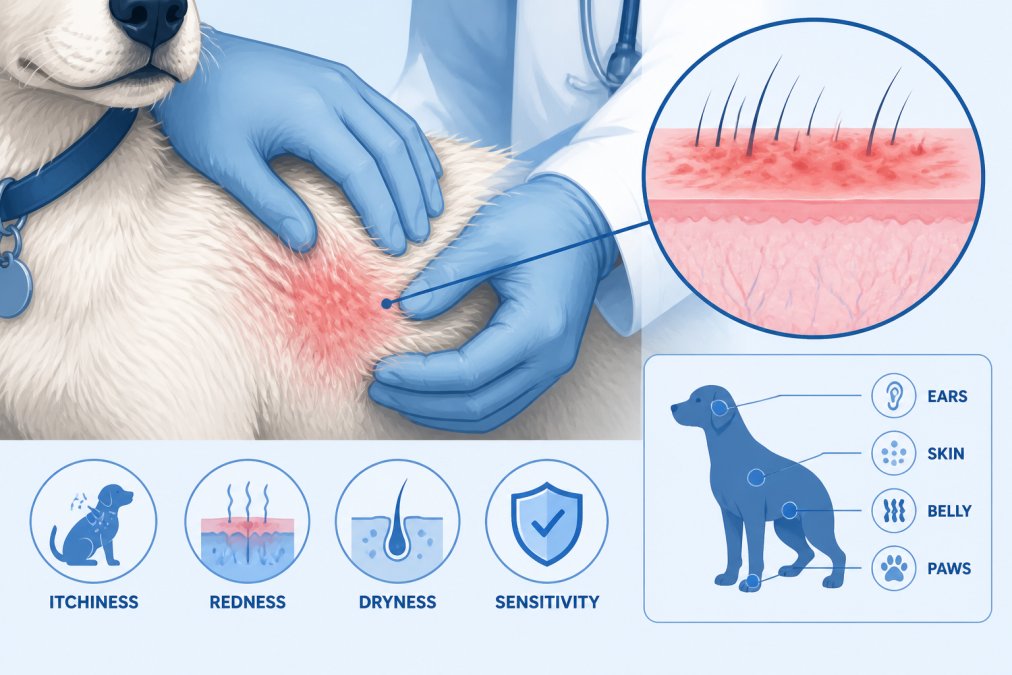
At Smitty's Pet Store, we've observed that many pet parents unknowingly worsen their pet's condition by using standard grooming products designed for resilient skin. The solution requires selecting formulations that restore and protect the skin barrier while cleansing gently, products free from common irritants and enriched with soothing, naturally derived ingredients can make a measurable difference within weeks.
Key Ingredients to Look for in Safe Grooming Products
The most effective safe grooming products for sensitive skin contain ingredients that soothe inflammation, restore hydration, and strengthen the skin barrier.
Oatmeal extract stands out as one of the most reliable soothing agents. Its colloidal structure coats the skin, reducing irritation and itching while providing gentle cleansing. Many pets show visible improvement in redness and discomfort within days of switching to oatmeal-based formulas.
Aloe vera delivers hydration and anti-inflammatory benefits without sticky residue. Look for products listing aloe as a primary ingredient rather than a minor additive. Coconut oil moisturizes the skin barrier and possesses natural antimicrobial properties, preventing secondary infections. Chamomile reduces inflammation and supports the skin's natural healing processes. Vitamin E functions as a powerful antioxidant that protects skin cells and enhances moisture retention. Ceramides and fatty acids are structural components of healthy skin that help rebuild the barrier, reducing water loss and preventing irritant penetration.
When shopping for safe grooming products for sensitive skin, read ingredient lists carefully. The first five ingredients comprise the bulk of the formula. If you see sulfates, parabens, synthetic fragrances, or artificial dyes in the top five, the product likely isn't suitable for sensitive skin.
Hypoallergenic Dog Shampoo: What Makes It Different
Hypoallergenic dog shampoo is specifically engineered to minimize allergenic potential by eliminating common triggers and using only dermatologically tested ingredients. The term indicates that a product has been formulated to reduce the likelihood of allergic reactions by excluding the most common irritants.
Hypoallergenic formulas typically feature fragrance-free compositions. Synthetic fragrances are among the most common culprits in grooming product reactions. By removing fragrance entirely, manufacturers eliminate a major source of irritation while maintaining cleansing efficacy.
pH-balanced formulations distinguish hypoallergenic products from standard alternatives. Pet skin maintains a slightly acidic pH (around 6.2-7.4 depending on species), which differs significantly from human skin pH. Hypoallergenic dog shampoos are specifically pH-balanced to match canine skin, preventing barrier disruption.
The manufacturing process for hypoallergenic products involves stricter quality controls. Reputable manufacturers test batches for purity, verify ingredient sourcing, and eliminate potential contaminants. Hypoallergenic formulas also tend to be more concentrated, meaning smaller quantities deliver equivalent cleansing power, so pet parents typically find they last longer despite higher upfront costs.
Ingredients to Avoid in Grooming Products for Sensitive Skin
Understanding what to exclude is equally important as knowing what to include. Certain ingredients consistently trigger reactions in sensitive-skinned pets.
Sulfates strip away natural oils that protect the skin barrier. Sodium lauryl sulfate and sodium laureth sulfate are common offenders found in budget-friendly formulas. Parabens are known sensitizers that accumulate in the skin over time. Synthetic fragrances are a leading cause of skin reactions in pets, often containing dozens of undisclosed chemicals. Artificial dyes like FD&C Red No. 40 and FD&C Yellow No. 5 are known irritants. Phthalates are plasticizers that can trigger inflammatory responses. Alcohol denat and other drying alcohols evaporate rapidly, leaving skin drier and more irritated. Mineral oil and petroleum distillates create occlusive barriers that trap bacteria. Formaldehyde releasers (DMDM hydantoin, imidazolidinyl urea) gradually release formaldehyde, a known irritant that can trigger contact dermatitis.
Always verify the complete ingredient list rather than relying on marketing claims alone.
How to Soothe Dog Skin Irritation After Grooming
Post-grooming skin irritation can develop within hours or days after bathing, even when using appropriate products. Strategic post-grooming care prevents escalation and accelerates recovery.
Apply a soothing post-grooming treatment within 30 minutes of the final rinse. Products containing aloe vera, chamomile, or colloidal oatmeal can be sprayed or gently massaged onto damp skin. Avoid additional water exposure for at least 24 hours after grooming to allow the skin barrier to recover and the natural oil layer to reestablish itself.
Monitor for signs of escalating irritation: excessive scratching, weeping sores, or spreading redness warrant veterinary attention. Some irritation is normal and resolves within 48 hours, but persistent or worsening reactions may indicate a product sensitivity or underlying dermatological condition.
Temperature management matters more than most pet parents realize. Warm environments promote faster healing of irritated skin, while cold air can intensify itching sensations. Consider applying a protective balm or cream specifically formulated for post-grooming skin repair before bedtime.
Natural Pet Grooming Ingredients That Protect the Skin Barrier
Natural ingredients derived from plants and botanicals offer proven efficacy for protecting and repairing the skin barrier without the risks associated with synthetic additives.
Oat kernel extract provides both immediate soothing effects and long-term barrier support through proteins and polysaccharides. Aloe barbadensis leaf juice contains polysaccharides and amino acids that promote skin healing and hydration. Coconut oil contains lauric acid and fatty acids that closely mirror healthy skin lipids, strengthening the barrier without greasy residue. Chamomile extract has been validated in dermatological research for reducing inflammation and supporting skin healing. Calendula officinalis accelerates skin repair and reduces inflammation, particularly effective for pets with minor wounds. Shea butter provides deep moisturization and barrier support through its rich fatty acid profile. Jojoba oil closely resembles skin sebum and integrates seamlessly into the skin barrier. Vitamin E (tocopherol) protects skin cells from oxidative damage and supports barrier function. Panthenol (provitamin B5) penetrates the skin and converts to pantothenic acid, supporting barrier repair and hydration.
When evaluating naturally derived grooming products, verify that ingredients are listed by their botanical names or clear common names. Quality brands provide detailed ingredient sourcing information and explain the dermatological purpose of each component.
Proper Bathing Techniques for Pets With Sensitive Skin
Even the most carefully formulated safe grooming products for sensitive skin can cause irritation if bathing technique is flawed.
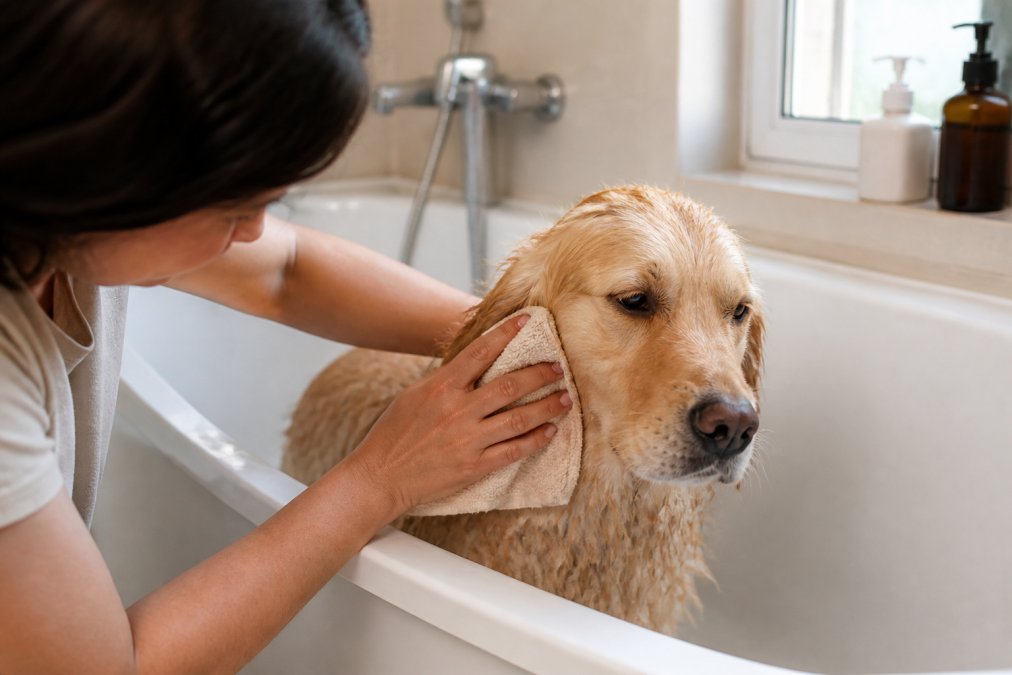
Water temperature is critical. Lukewarm water (around 95-100°F) is ideal for sensitive-skinned pets. Hot water strips away natural oils and damages the barrier. Grooming frequency directly impacts skin health, most pets with sensitive skin benefit from bathing every 4-6 weeks rather than weekly. Water pressure should be gentle; use a handheld showerhead on a low setting rather than a fixed showerhead.
Pre-bathing preparation prevents complications. Gently brush your pet's coat before bathing to remove loose hair and mats. Dilution technique improves distribution: mix shampoo with lukewarm water in a spray bottle at a 1:1 or 1:2 ratio. Application method should involve gentle massage rather than vigorous scrubbing using your fingertips or a soft cloth in circular motions. Avoid the face and ears.
Rinsing thoroughly is non-negotiable. Shampoo residue triggers irritation and itching. Rinse until the water runs completely clear. Post-bath drying should be gentle and thorough using soft patting motions rather than vigorous rubbing. Damp skin is vulnerable to irritation and infection. Frequency of full baths can be reduced by using dry shampoo or waterless cleaning products between full baths.
Environmental Allergen Management and Post-Grooming Skin Barrier Repair
Sensitive-skinned pets react not just to grooming products but also to environmental allergens that accumulate on skin and fur between baths. A comprehensive approach includes managing environmental triggers and actively repairing the skin barrier after grooming stress.
Environmental allergens include dust mites, pollen, mold spores, and pet dander that settle on the skin and trigger inflammatory responses. Bedding management is primary: wash pet bedding weekly in hot water to eliminate dust mites. Air quality directly impacts skin health, use HEPA filtration in bedrooms and living areas to remove airborne allergens. Grooming frequency between full baths helps manage allergen accumulation through dry brushing, which removes dust and pollen before they settle on the skin. Paw care deserves specific attention: wipe paws with a damp cloth after outdoor time to remove pollen and environmental irritants.
Post-grooming barrier repair involves more than immediate soothing. The skin barrier requires 48-72 hours to fully recover from bathing stress. Protective treatments applied immediately after grooming accelerate barrier repair through ceramides, fatty acids, and cholesterol. Hydration support during the post-grooming period prevents barrier breakdown, humidifiers maintain optimal skin hydration levels. Supplemental skin support through dietary omega-3 and omega-6 fatty acids can enhance the skin barrier from within.
The most effective approach combines safe grooming products for sensitive skin with environmental allergen management and deliberate post-grooming barrier repair.
Sensitive skin in pets requires a multifaceted approach that extends beyond product selection. At Smitty's Pet Store, we've guided countless pet parents through identifying appropriate grooming solutions and implementing proper bathing techniques that protect rather than compromise skin health. By understanding ingredient functions, avoiding known irritants, and supporting the skin barrier through thoughtful environmental management, you can transform your pet's skin health and eliminate the constant scratching and discomfort that affects quality of life. Start with a single change, whether switching to a hypoallergenic formula or adjusting your bathing technique, and observe your pet's response over 2-3 weeks. Most pets show visible improvement in redness, itching, and coat quality when their skin receives appropriate care and protection.
Frequently Asked Questions
What is the best shampoo to use on a dog with sensitive skin?
The best shampoo for a dog with sensitive skin is pH-balanced, hypoallergenic, and free of dyes, fragrances, and harsh sulfates. Look for products containing soothing ingredients like oatmeal extract, aloe vera, or chamomile. Avoid anything with artificial preservatives or heavy fragrance oils. Smitty's Pet Store carries a curated selection of grooming products specifically chosen to be gentle on sensitive skin, browse our collection to find options that match your pet's specific needs.
What ingredients should I avoid in grooming products for sensitive skin?
Avoid grooming products containing sulfates, parabens, artificial dyes, synthetic fragrances, and harsh preservatives like formaldehyde releasers. Many pets with sensitive skin also react to tea tree oil, eucalyptus, and artificial colorants. Instead, choose products labeled fragrance-free, dye-free, and formulated with naturally derived ingredients. Reading ingredient lists carefully is essential, if you're unsure, consult your veterinarian before introducing a new product.
How often should I groom a pet with sensitive skin to avoid flare-ups?
Most pets with sensitive skin benefit from grooming every 4-6 weeks, though frequency depends on your pet's coat type and specific condition. Over-bathing can strip the skin barrier and trigger irritation, so avoid bathing more than once weekly unless recommended by your vet. Between baths, use dry shampoos or gentle brushing to maintain coat health. If your pet shows signs of irritation, reduce grooming frequency and allow the skin barrier to recover before resuming regular schedules.
Can I use human grooming products on my pet with sensitive skin?
No, pet skin has a different pH balance than human skin, typically ranging from 6.5 to 7.5, while human products are often more acidic. Using human products can disrupt your pet's skin barrier and cause irritation, inflammation, or dermatitis. Always choose products specifically formulated for pets. If you're unsure whether a product is safe, consult your veterinarian or a professional groomer before use.
This article was written using GrandRanker