

Why Does My Dog Have Separation Anxiety: Causes & Solutions

Table of Contents
- What Is Separation Anxiety in Dogs
- Signs of Separation Anxiety in Dogs
- Why Your Dog Develops Separation Anxiety
- How to Treat Separation Anxiety in Dogs
- How Long Can You Leave a Dog With Separation Anxiety Alone
- Best Healthy Treats for Training Young Pets
- Practical Tools to Support Your Dog's Adjustment
- Frequently Asked Questions
Last Updated: October 3, 2026
What Is Separation Anxiety in Dogs
Separation anxiety in dogs is a behavioral condition that answers the question why does my dog have separation anxiety, it occurs when your dog experiences significant distress when separated from you or left alone, exhibiting panic-like symptoms, destructive behavior, and emotional distress. The attachment bond between you and your dog is central to understanding this issue, it's not about being spoiled or poorly trained.
A dog with separation anxiety may destroy furniture, bark excessively for hours, have accidents indoors despite being housetrained, or try to escape, genuine stress responses rooted in fear and anxiety, not behavioral choices.
The good news: separation anxiety is treatable with patience, the right tools, and consistent practice.
Signs of Separation Anxiety in Dogs
Common signs include:
- Destructive behavior focused on doors, windows, or crates
- Excessive barking or howling when alone
- Pacing, panting, or drooling
- Accidents indoors (urination or defecation despite being housetrained)
- Attempts to escape or self-injury
- Excessive greeting when you return home
- Following you from room to room obsessively
Some dogs show anxiety before you leave, pacing when you pick up keys, grab your wallet, or put on shoes. This behavioral pattern signals anticipatory stress.
Severity varies from quiet whining to significant property damage or self-injury attempts. Both deserve attention and treatment.
Why Your Dog Develops Separation Anxiety
Understanding why does my dog have separation anxiety requires examining how it develops through early experiences, environmental triggers, neurobiological predisposition, and individual temperament.
Attachment bond and early experiences
Puppies separated from littermates before 8-12 weeks often struggle with attachment bond formation and self-soothing skills. Shelter dogs may have experienced abandonment or trauma, creating conditioned fear responses around separation cues.
If your dog has spent most of their time with you since puppyhood, they may not have learned to self-soothe when alone, a gap in early socialization to independent time, not a sign of a "spoiled" dog.
Life changes trigger separation anxiety: moves, schedule changes, loss of family members, or caregiver routine changes can destabilize your dog's sense of security, especially without gradual adjustment.
Neurobiological factors and predisposition
Separation anxiety involves real neurochemical changes: elevated cortisol and reduced serotonin and dopamine. This is a physiological stress response, not behavioral choice.
Certain breeds show higher predisposition to separation anxiety (Cavalier King Charles Spaniels, Vizslas, Weimaraners, German Shepherds), historically bred for close human companionship. However, any dog can develop separation anxiety regardless of breed.
Puppies under 6 months lack neurological development for extended alone time. Senior dogs (10+) sometimes develop separation anxiety due to cognitive decline or health changes.
Environmental triggers and behavioral patterns
Your dog's surroundings create specific anxiety triggers: small confined spaces, loud noises (traffic, construction, fireworks), and conditioned triggers (specific sounds or situations that reliably cause panic).
Identify your dog's specific triggers by noting when anxiety peaks:
- Departure cues: Keys, shoes, grabbing a wallet, putting on a coat
- Temporal patterns: Specific times of day when you typically leave
- Environmental sounds: Sirens, vacuum cleaners, doorbell, other dogs barking
- Location-specific: Anxiety in certain rooms or areas of the home
- Social triggers: Anxiety when specific family members leave (often the primary caregiver)
Behavioral patterns reinforce anxiety cycles. If barking makes you return, that pattern strengthens the anxiety response. Returning while your dog panics accidentally rewards distressed behavior.
The emotional transition from your presence to your absence is critical. Dogs that don't learn to tolerate short separations (5-15 minutes) struggle with longer ones. Early, gradual exposure builds neural pathways for independent coping.
Distinguishing separation anxiety from other conditions
Separation anxiety differs from boredom: a bored dog remains calm with enrichment, while an anxious dog shows panic signs (panting, drooling, pacing, self-injury) regardless of available toys.
Medical issues can mimic separation anxiety: urinary tract infections, hearing loss, arthritis, or dental disease. Rule out medical causes with your veterinarian before assuming behavioral separation anxiety.
How to Treat Separation Anxiety in Dogs
Treatment requires patience, consistency, and a structured protocol tailored to your dog's anxiety severity. The goal is to teach them that separation is safe, temporary, and predictable.
Assessing anxiety severity before starting treatment
Mild separation anxiety: Your dog shows signs (whining, pacing, mild destructiveness) but recovers within 15-30 minutes of your departure. These dogs can typically tolerate 1-2 hours alone without escalating panic.
Moderate separation anxiety: Your dog shows sustained panic for 30+ minutes, including destructive behavior, excessive barking, or indoor accidents. These dogs struggle with absences over 2-3 hours and show anxiety even during short departures.
Severe separation anxiety: Your dog shows immediate panic (within minutes of departure), self-injury attempts, property destruction, or escape behaviors. These dogs may not tolerate even 15-30 minutes alone and show anticipatory anxiety when departure cues appear.
Severe cases often benefit from veterinary consultation. Your veterinarian may recommend anti-anxiety medication (such as fluoxetine or trazodone) to lower your dog's baseline anxiety during the initial treatment phase, making behavioral training more effective. Medication is not a replacement for training, it's a tool that makes training possible for severely anxious dogs.
Desensitization and counter-conditioning techniques
Desensitization means gradually exposing your dog to separation in small, manageable doses below the anxiety threshold. Start with 30-second absences while your dog stays calm, returning before anxiety starts.
For mild anxiety, follow this progression:
- Week 1: 30 seconds to 2 minutes
- Week 2: 2 to 5 minutes
- Week 3: 5 to 15 minutes
- Week 4: 15 to 30 minutes
- Week 5-6: 30 minutes to 1 hour
For moderate anxiety, extend each phase by 1-2 weeks and increase duration more slowly:
- Weeks 1-2: 30 seconds to 1 minute
- Weeks 3-4: 1 to 3 minutes
- Weeks 5-6: 3 to 10 minutes
- Weeks 7-8: 10 to 20 minutes
- Weeks 9-10: 20 to 45 minutes
For severe anxiety, start even smaller and expect 12-16 weeks minimum:
- Weeks 1-2: 10-30 seconds (multiple sessions daily)
- Weeks 3-4: 30 seconds to 2 minutes
- Weeks 5-6: 2 to 5 minutes
- Continue increasing by small increments; setbacks are common
Counter-conditioning means changing your dog's emotional response to separation cues. If your dog panics at keys, practice picking them up without leaving (20 times daily for a week). Your dog learns keys don't always mean departure.
Create positive associations with alone time by leaving high-value treats or puzzle toys only when you step away. Rotate treat types to prevent habituation.
Creating a safe space and routine
Your dog needs a designated safe space (crate, bedroom, or specific area). Make it positive through repeated exposure. Never use it as punishment.
Introduce the safe space gradually:
- Leave the door open; let your dog explore freely
- Feed meals inside the space
- Toss treats inside throughout the day
- Close the door for 30 seconds while you're present and your dog is calm
- Gradually extend door-closed time over weeks
Establish a predictable daily routine: same wake-up time, regular feeding schedule, consistent exercise before you leave (30-60 minutes depending on age and breed), and a calm departure ritual.
Avoid dramatic goodbyes or lengthy farewells. A simple departure is better. Similarly, wait 5-10 minutes after arriving home before interacting with your dog. This teaches your dog that departure and return are routine, not emotionally significant.
Exercise is essential. A 30-45 minute walk or play session before you leave reduces baseline anxiety significantly. For high-energy breeds, 60+ minutes may be necessary. Mental enrichment counts toward this requirement.
Managing setbacks and measuring progress
Setbacks are normal. If your dog regresses, return to the previous successful duration for 1-2 weeks before advancing again.
Track progress: duration your dog stays calm, frequency of anxiety behaviors, anticipatory anxiety, and indoor accidents or destructive episodes.
Success looks like: your dog remains calm for the target duration, shows no destructive behavior or indoor accidents, and displays minimal or no anxiety when you leave. Most dogs show measurable improvement within 2-4 weeks and substantial improvement within 8-12 weeks. Severe cases may require 4-6 months of consistent treatment.
How Long Can You Leave a Dog With Separation Anxiety Alone
Most dogs with separation anxiety shouldn't be left alone for more than 4-6 hours initially. As treatment progresses, this duration increases.
Your goal is gradual progress:
- Start: 30 minutes to 1 hour
- After 2 weeks: 2-3 hours
- After 4 weeks: 4-6 hours
- After 8 weeks: 8+ hours (for most dogs)
This timeline varies. Some dogs progress faster; others need months. Consistency matters more than speed.
During the treatment phase, arrange help if possible. A dog walker, pet sitter, or trusted friend can break up long absences. Many pet parents use midday visits to prevent extended alone time during early treatment.
Never force your dog to "tough it out" for 8 hours alone. This backfires. Your dog's anxiety worsens, and you lose progress.
Best Healthy Treats for Training Young Pets
Treats are powerful tools for building positive associations with separation. Use high-value treats, things your dog loves enough to focus on instead of your absence.
Choose treats that:
- Hold your dog's attention for 5-10 minutes
- Are safe and healthy
- Aren't given any other time (special for training only)
Puzzle toys and treat-dispensing toys work well. Your dog must work to access the treat, which occupies their mind and body. Frozen treats last longer than regular ones.
Rotate treat types to prevent boredom. One day use peanut butter in a Kong. The next day use a puzzle ball. This variety keeps your dog engaged across multiple separation sessions.
Avoid treats during your departure ritual. Give the treat only after you've left and your dog is calm. This builds the association: you leave, good things happen.
Practical Tools to Support Your Dog's Adjustment
The right tools make treatment easier and more effective. Several products help reduce anxiety during the adjustment period.
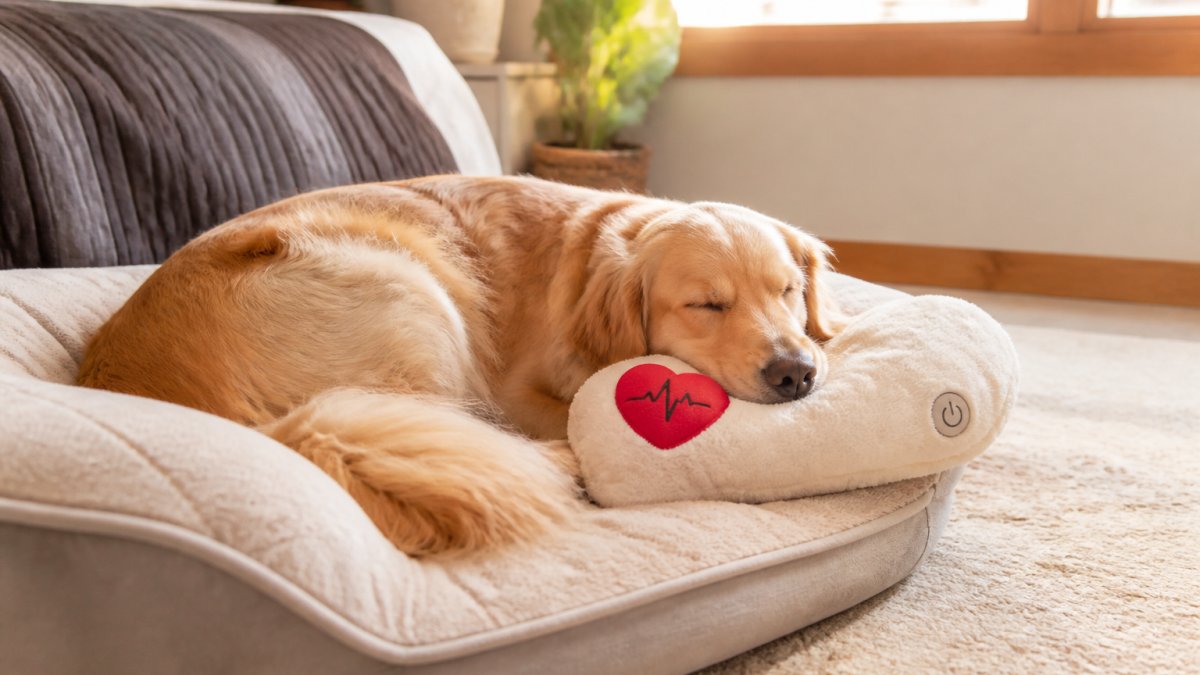
Comfort toys with heartbeat accessories mimic a mother's heartbeat and provide soothing companionship. The Comfort Pet Toys from Smitty's Pet Store include a heartbeat accessory that helps anxious dogs feel calm and secure.

Treat-dispensing toys keep your dog mentally engaged during alone time. The Brain Games Treats toy encourages natural foraging instincts and provides hours of enrichment.

Snuffle balls and puzzle mats tap into your dog's natural sniffing behavior. The Pet Dog Sniff & Snack Puzzle Ball is designed for puppies through large dogs.

Crates provide containment and security when properly introduced. A Foldable Heavy-Duty Dog Cage gives your dog a safe den-like space. Never use the crate as punishment. Introduce it slowly with treats and positive experiences.
These tools work best alongside consistent training. They're not substitutes for desensitization and counter-conditioning, they're support systems that make the process easier.
Separation anxiety is challenging, but it's treatable. Your dog isn't being difficult or stubborn, they're experiencing genuine fear and stress.
The key is starting early and staying consistent. Small, gradual steps work better than forcing long absences.
Frequently Asked Questions
What are the most common triggers for dog separation anxiety?
Environmental triggers and behavioral patterns play a major role. Changes in routine, loud noises, previous abandonment, or lack of early socialization can trigger separation anxiety. Dogs with a strong attachment bond may panic when their owner leaves. Sudden changes like a new home, moving to a new schedule, or the loss of a family member also cause distress. Understanding your dog's specific triggers helps you address the root cause and develop targeted coping mechanisms.
How long can you leave a dog with separation anxiety alone?
Most dogs with separation anxiety struggle with even short absences of 15-30 minutes. Start with very brief departures and gradually increase duration through desensitization. Many dogs can eventually tolerate 4-6 hours with proper training, but this varies widely. Never leave an anxious dog alone for 8+ hours without professional guidance. Monitor your dog's stress response during the adjustment period and adjust expectations based on their behavioral patterns and progress.
Can you prevent separation anxiety in young dogs?
Yes. Early socialization and gradual independence training are critical. Expose puppies to short, positive alone-time experiences starting at 8-12 weeks old. Avoid creating excessive attachment bonds by maintaining consistent routines and teaching your dog to be comfortable in their own space. Best healthy treats for training young pets help reinforce calm behavior during practice sessions. Building confidence through counter-conditioning techniques early in life significantly reduces the risk of developing separation anxiety as your dog matures.
Is separation anxiety cruel, or is my dog just bored?
Separation anxiety is a genuine psychological adjustment disorder, not simple boredom. Dogs with separation anxiety experience real behavioral distress, panic, and emotional transition symptoms, not just restlessness. Bored dogs may chew or bark occasionally; anxious dogs show destructive behavior, excessive vocalization, house soiling, or attempts to escape. The key difference is intensity and distress level. If your dog shows signs of separation anxiety, treating it with desensitization and proper coping mechanisms is compassionate care, not indulgence.