

7 Ways to Keep Dog Paws Healthy: All-Season Guide

Table of Contents
- 1. Check Ground Temperature Before Every Walk
- 2. Dog Paw Pad Protection in Summer: Beat the Heat
- 3. Shield Paws From Winter Salt and Deicers
- 4. The Dog Paw Balm Benefits You Should Know
- 5. Trim Paw Fur and Keep Nails in Shape
- 6. Clean and Inspect Paws After Every Walk
- 7. Spot the Signs of Dog Paw Infection Early
- Frequently Asked Questions
Last Updated: September 29, 2026
1. Check Ground Temperature Before Every Walk
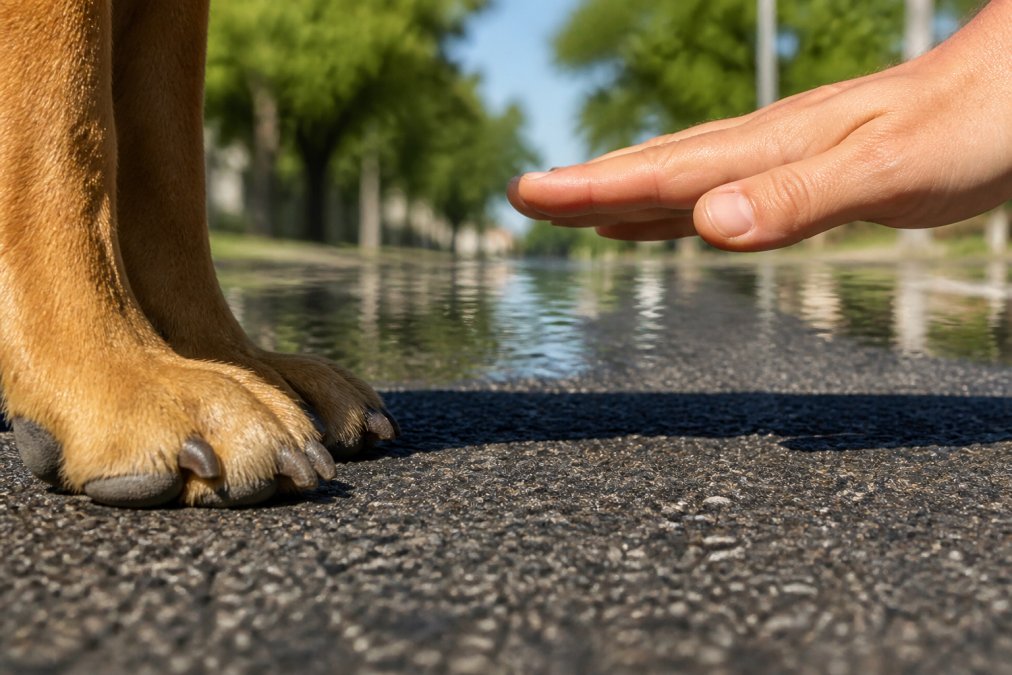
The single most effective habit for keeping dog paws healthy is a five-second surface test before you step outside. Place the back of your hand flat on the pavement for five seconds. If it's too hot or too cold for your hand, it's too extreme for your dog's paw pads.
Paw pads are tough, but they are not invincible. They can burn, crack, and blister just like human skin. Asphalt and concrete hold heat long after the air cools, so a pleasant 75°F afternoon can still mean a scorching walking surface. The same logic applies in winter, when pavement can drop below freezing while the air temperature reads above it.
Make the hand test a reflex, not an afterthought. It takes five seconds and prevents the most common paw injury vets see.
2. Dog Paw Pad Protection in Summer: Beat the Heat
Dog paw pad protection in summer comes down to timing, surface choice, and a protective barrier. Walk early in the morning or after sunset, stick to grass and shaded paths, and apply a dog-safe balm before you head out. Heatstroke risk rises alongside burn risk, so cooler hours protect more than just the paws.
Signs of trouble show up fast. If your dog starts hopping, licking their paws, or refusing to walk, stop and get them onto grass or carry them home. Those are early signals of surface heat damage, not stubbornness.
A protective wax or balm creates a shield between the pad and the pavement. For daily summer walks, our Pet Paw Protection Cream uses carnauba and candelilla wax to form that barrier while shea butter and vitamin E moisturize. It's natural enough to be safe if your dog licks their paws after application.

3. Shield Paws From Winter Salt and Deicers
Winter salt and deicers cause chemical burns and cracking that many owners mistake for simple dryness. Rock salt, calcium chloride, and antifreeze residue cling to paw pads and between the toes, and dogs lick them off. That means salt exposure becomes ingestion, not just irritation.
Rinse paws with warm water the moment you get home. A quick wipe with a damp cloth works in a pinch, but a full rinse clears the salt trapped in the interdigital fur. Dry thoroughly afterward, because damp fur between the toes invites matting and fungal growth.
Protective wax helps here too. Apply it before the walk so deicers slide off rather than soak in. Avoid walking through visible salt piles when you can, and steer clear of puddles that may hide antifreeze, which is highly toxic to dogs.
4. The Dog Paw Balm Benefits You Should Know
The main dog paw balm benefits are moisture retention, barrier protection, and soothing relief for cracked or irritated pads. A quality balm does three jobs at once: it restores flexibility to dry pads, shields against hot and cold surfaces, and calms redness from rough terrain.
Moisture is the core issue. Pads that stay dry lose elasticity and split under pressure. A balm with oils like sunflower and coconut penetrates the pad to restore softness, while waxes sit on the surface as a shield. Aloe vera adds a calming layer for pads already irritated by salt or rough ground.
Application matters as much as the product. Clean and dry the paws first, then massage a small amount into each pad. Give it a few minutes to absorb before your dog walks on hard floors. Use it daily, and always before and after outdoor walks in extreme weather.
5. Trim Paw Fur and Keep Nails in Shape
Overgrown fur between the paw pads traps debris, holds moisture, and reduces traction on smooth floors. Trimming that fur keeps the pads in contact with the ground and makes it harder for salt, ice balls, and foreign objects to lodge between the toes.
Use blunt-tipped grooming scissors and trim only the fur that extends past the pad surface. Never cut into the webbing between the toes. If your dog won't sit still, a grooming hammock like our Pet Nails Trimming Pet Grooming Hammock suspends them safely so you can work with both hands.
Pet Paw Protection Cream — Moisturizes →

Nails need equal attention. Nails that grow too long push the paw out of its natural position and change how weight lands on the pads. Trim or grind them every few weeks. Our Pet Nail Grinder uses a high-speed rotating head to smooth nails flat, which suits dogs who dislike the snip of clippers. If your dog has thick or matted fur, a Dog Grooming Comb helps clear tangles before you trim.

6. Clean and Inspect Paws After Every Walk
A two-minute post-walk routine catches most paw problems before they become expensive. Wipe or rinse each paw, dry between the toes, and run your fingers over every pad. You're checking for cuts, foreign objects, swelling, and changes in texture.
Look for these during the inspection:
- Small cuts or grazes on the pads
- Pebbles, glass, or burrs lodged between the toes
- Redness, swelling, or warmth
- Dry, cracked, or peeling pad surfaces
- Unusual licking or chewing at one paw
Catching a minor cut early means a simple clean and bandage. Missing it means infection, limping, and a vet visit. The routine takes less time than scrolling your phone.
7. Spot the Signs of Dog Paw Infection Early
The signs of dog paw infection include persistent licking, redness, swelling, discharge, foul odor, and limping that doesn't resolve. Any of these lasting more than a day or two warrants a vet visit. Paw infections rarely clear on their own and often signal an underlying issue like allergies or a foreign object.
Licking is the first clue and the easiest to dismiss. Dogs lick irritated paws to soothe them, but the moisture and bacteria in their mouth make things worse. If your dog is fixated on one paw, check it immediately.
Breed matters here. Dogs with heavy coats between the toes, like retrievers and spaniels, trap more moisture and debris. Flat-faced and short-haired breeds may have thinner pad cushioning and burn faster. Know your dog's specific sensitivity and adjust your routine.
A topical treatment and consistent paw hygiene manage mild irritation. Deep infections, abscesses, or anything with pus need veterinary care. Never lance or squeeze a swollen pad yourself.
| Sign | Likely Cause | What to Do |
|---|---|---|
| Occasional licking | Dry pads, mild irritation | Moisturize with a dog-safe balm |
| Constant licking, redness | Early infection or allergy | Clean, dry, and monitor for 24 hours |
| Swelling, discharge, odor | Infection | See a vet promptly |
| Limping, won't bear weight | Injury or deep infection | Vet visit same day |
Paw health is a year-round job, and the small habits add up faster than any single product. At Smitty's Pet Store, we make that routine simple with a curated selection of grooming tools and paw care essentials chosen to keep pet parenting stress-free. Start with our all-natural paw protection cream, add a reliable nail grinder and grooming comb, and build a post-walk inspection into your day. Get started with Smitty's Pet Store and give your dog the confident, comfortable care their paws deserve.
Frequently Asked Questions
What can I put on my dog's paws to help them heal?
A dog-safe balm made with natural ingredients like shea butter, coconut oil, and beeswax works well for healing dry or cracked paw pads. Look for products that are safe if licked, since dogs often groom their paws after application. Clean and dry the paws first, then massage a small amount into each pad and let it absorb for a few minutes. Applying daily, especially before and after walks, helps restore softness and flexibility to damaged pads.
How do I toughen up my dog's paw pads?
Gradual exposure to different surfaces builds pad toughness over time. Start with short walks on grass, then slowly introduce gravel or pavement for brief periods. Keeping pads moisturized with a protective balm prevents them from drying out and cracking, which actually makes them more vulnerable. Avoid overdoing it on rough terrain right away. If your dog shows signs of soreness, rest the paws and apply a soothing balm before resuming activity.
What are the signs of paw pad injury in dogs?
Watch for limping, excessive licking or chewing at the paws, visible cuts, blisters, or swelling. Your dog may refuse to walk on certain surfaces or hold up a paw. Discoloration, bleeding, or a bad smell could indicate infection and needs a vet visit. Check pads after every walk, especially in extreme weather. Foreign objects like glass, pebbles, or burrs can lodge between pads and cause pain if not removed promptly.
How often should I trim my dog's paw hair?
Trim the fur between your dog's paw pads every 2 to 4 weeks, or whenever it grows long enough to trap debris or reduce traction. Long interdigital fur collects ice balls in winter, salt crystals, and burrs, which can cause discomfort and matting. Use small grooming scissors or a trimmer designed for pet use, and work carefully around the pads. If you are unsure about trimming at home, a professional groomer can handle it during regular visits.
Should I soak my dog's paws in vinegar?
Diluted apple cider vinegar soaks can help clean paws and discourage yeast growth, but they are not a treatment for infections or injuries. Mix one part vinegar with one part water and soak for a few minutes, then dry thoroughly. Never use vinegar on open cuts or cracked pads because it will sting. If your dog shows signs of infection like redness, swelling, or discharge, see a veterinarian instead of relying on home remedies.