

Top 10 Toxic Foods for Pets to Avoid

Table of Contents
- The 10 Most Dangerous Foods for Pets to Avoid
- Toxic Foods for Dogs and Cats: Species-Specific Differences
- Chocolate Toxicity in Dogs and Why Cats Are Less Affected
- Understanding Xylitol Poisoning in Dogs
- What to Do If a Pet Eats Toxic Food: Immediate Response Guide
- Prevention: Keeping Toxic Foods Out of Reach
- Frequently Asked Questions
Last Updated: October 12, 2026
The 10 Most Dangerous Foods for Pets to Avoid
At Smitty's Pet Store, we understand that keeping your pets safe starts with knowing which foods can harm them. Toxic foods for pets are hiding in plain sight, in your kitchen, your pantry, and even in treats you might think are harmless.
This guide covers the top 10 toxic foods for pets to avoid, along with what makes each one dangerous, how much exposure matters, and what to do if your pet eats something toxic.
1. Chocolate
Chocolate contains theobromine and caffeine, both of which are toxic to pets. Dogs are far more sensitive to chocolate than cats, though both species can suffer harm.
Dark chocolate and baking chocolate are the most dangerous. Milk chocolate poses less risk. White chocolate contains almost no theobromine and is rarely harmful.
Signs of chocolate toxicity appear within 6-12 hours and include:
- Vomiting and diarrhea
- Restlessness and trembling
- Rapid heart rate
- Seizures in severe cases
A small dog eating a chocolate chip cookie may be fine. That same dog eating a dark chocolate bar could face a medical emergency.
2. Grapes and Raisins
Grapes and raisins are among the most dangerous toxic foods for pets, especially dogs. The exact substance that causes toxicity remains unknown, which makes this threat particularly unpredictable. Some dogs can eat a single grape and suffer kidney failure. Others may eat more without immediate symptoms.
Kidney damage from grapes or raisins can develop within 24-72 hours. Early signs include:
- Vomiting
- Loss of appetite
- Lethargy
- Increased thirst and urination
Even a small handful of raisins or grapes can be life-threatening. Never assume a small amount is safe. If your dog eats any quantity, call your vet right away. Prompt treatment can prevent permanent kidney damage.
3. Onions and Garlic
Onions and garlic belong to the allium family, which damages red blood cells in dogs and cats.
Garlic is more concentrated than onions, so it poses a greater risk per gram. Raw, cooked, and powdered forms are all toxic. Even garlic powder in seasoning blends can harm pets.
Symptoms of allium poisoning develop over several days:
- Weakness and lethargy
- Pale gums
- Vomiting
- Diarrhea
- Dark-colored urine
Repeated small exposures are as dangerous as one large dose. Keep all onion and garlic products, including baby food, soups, and seasoning blends, out of reach.
4. Xylitol (Sugar-Free Products)
Xylitol is a sugar substitute found in sugar-free gum, peanut butter, baked goods, and candy. For dogs, xylitol causes a rapid drop in blood sugar and liver damage. Cats are less sensitive but still at risk.
Xylitol poisoning in dogs happens fast. Symptoms appear within 15-30 minutes:
- Vomiting
- Loss of coordination
- Seizures
- Collapse
Even small amounts, as little as one piece of sugar-free gum, can trigger a medical crisis in small dogs. Always check ingredient labels on peanut butter, protein bars, and baked goods before giving them to your pet.
5. Alcohol and Alcoholic Beverages
Alcohol affects pets the same way it affects humans, but pets are far more sensitive due to their smaller body size. Even a small amount of beer, wine, or liquor can cause serious harm.
Ethanol damages the central nervous system and causes:
- Disorientation and loss of coordination
- Vomiting and diarrhea
- Tremors
- Respiratory depression
- Coma in severe cases
Keep all alcoholic drinks secured. Don't leave glasses unattended. Remind guests not to offer your pet any alcohol, even "just a taste."
6. Avocado
Avocado contains persin, a compound that damages the heart and digestive tract in dogs and cats. The seed and leaves contain the highest concentration, but the flesh poses a risk too.
Symptoms of avocado toxicity include:
- Vomiting and diarrhea
- Difficulty breathing
- Lethargy
- Heart damage in severe cases
The risk increases with the amount consumed and your pet's size. A single bite of avocado flesh may cause mild stomach upset. A larger amount or repeated exposure can cause serious harm. Keep guacamole and avocados away from your pets.
7. Coffee and Caffeine
Caffeine affects pets similarly to chocolate, it overstimulates the nervous system. Coffee, tea, energy drinks, and caffeine pills all pose a threat.
Symptoms appear within 1-2 hours:
- Restlessness and anxiety
- Rapid heart rate
- Tremors
- Seizures in severe cases
Even a few sips of strong coffee can harm a small dog or cat. Energy drinks are particularly dangerous because they contain high concentrations of caffeine. Keep all caffeinated beverages and products out of reach.
8. Raw Yeast Dough
Raw yeast dough expands as it rises, and the fermentation process produces alcohol. A dog that eats raw dough faces two dangers: the expanding dough can cause bloating and gastric rupture, and the alcohol produced during fermentation is toxic.
Symptoms develop within 30 minutes to several hours:
- Vomiting
- Abdominal pain and bloating
- Disorientation
- Seizures
Never leave bread dough unattended on the counter. Store it in a secured cabinet or refrigerator where pets can't access it.
9. Moldy or Spoiled Foods
Moldy foods contain tremorgenic mycotoxins that cause neurological damage in pets. Spoiled foods may harbor bacteria that produce harmful toxins.
Symptoms of mycotoxin poisoning include:
- Tremors and muscle rigidity
- Seizures
- Loss of coordination
- Hyperthermia (elevated body temperature)
Don't assume your pet can safely eat "just a little" moldy food. Dispose of moldy items in a secure trash can. Keep pets away from compost bins and garbage cans where they might find spoiled food.
10. Fatty Foods and Spicy Foods
Fatty foods and spicy foods irritate the digestive system and can trigger pancreatitis, inflammation of the pancreas. While not as acutely toxic as other foods on this list, repeated exposure causes serious harm.
Symptoms of pancreatitis include:
- Vomiting
- Loss of appetite
- Abdominal pain
- Lethargy
Fatty meats, fried foods, and rich sauces are common culprits. Spicy foods damage the stomach lining and cause discomfort. Keep table scraps and leftovers away from your pets.
Toxic Foods for Dogs and Cats: Species-Specific Differences
Dogs and cats metabolize foods differently, which means some toxic foods for pets pose a greater threat to one species than the other.
Dogs are more likely to eat human food and get into trouble. Their curiosity and scavenging instinct make accidental poisoning more common.
For example, chocolate is far more dangerous for dogs than cats. Grapes and raisins are highly toxic to both, but dogs show symptoms faster.
Xylitol affects dogs catastrophically. Cats show less sensitivity, though they're still at risk.
Chocolate Toxicity in Dogs and Why Cats Are Less Affected
Chocolate toxicity in dogs is one of the most common pet poisonings.
A dog weighing 20 pounds eating one ounce of dark chocolate may show symptoms. A cat would need to eat significantly more to show the same effects.
The severity depends on:
- Type of chocolate (dark > milk > white)
- Amount consumed
- Your pet's weight
- Your pet's age and health
Puppies and senior dogs are more vulnerable. Overweight pets face higher risk. When in doubt, call your veterinarian or the ASPCA Animal Poison Control Center.
Understanding Xylitol Poisoning in Dogs
Xylitol poisoning in dogs is a medical emergency.
Xylitol causes the pancreas to release insulin suddenly. Blood sugar drops dangerously fast, leading to hypoglycemia. Simultaneously, xylitol damages liver cells, causing hepatotoxicity.
Symptoms appear quickly:
- Within 15-30 minutes: vomiting, loss of coordination, seizures
- Within hours: liver failure, bleeding disorders, shock
A 10-pound dog eating just one piece of sugar-free gum can suffer severe poisoning. Larger amounts cause death.
Check all labels for xylitol, especially:
- Sugar-free gum and mints
- Peanut butter (many brands now contain xylitol)
- Baked goods and protein bars
- Candy and desserts
- Some medications and supplements
If your dog eats xylitol, go to the emergency veterinary clinic immediately. Do not wait for symptoms to develop. Time is critical.
What to Do If a Pet Eats Toxic Food: Immediate Response Guide
If your pet eats something toxic, stay calm and act quickly.
Step 1: Identify what was eaten Know the substance, the amount, and when it was consumed.
Step 2: Call your veterinarian or poison control The ASPCA Animal Poison Control Center operates 24/7.
Step 3: Do not induce vomiting unless instructed Inducing vomiting can cause more harm with certain toxins.
Step 4: Get to the clinic Many toxins require professional treatment.
Step 5: Follow aftercare instructions Your vet will provide specific guidance.
| Toxin | Time to Symptoms | Action |
|---|---|---|
| Chocolate | 6-12 hours | Call vet if large amount |
| Grapes/raisins | 24-72 hours | Go to vet immediately |
| Xylitol | 15-30 minutes | Emergency clinic now |
| Onions/garlic | 2-7 days | Call vet for guidance |
| Alcohol | 30-60 minutes | Emergency clinic now |
Prevention: Keeping Toxic Foods Out of Reach
The best treatment for poisoning is prevention. Simple habits protect your pets from accidental exposure.
Store foods securely:
- Keep chocolate, grapes, onions, and garlic in high cabinets
- Store sugar-free gum and candy in drawers pets can't access
- Use sealed containers for pantry items
- Keep trash cans in a closed cabinet or secure location
Educate your household:
- Tell family members and guests not to feed your pets human food
- Explain which foods are dangerous
- Establish a rule: no table scraps, ever
Supervise outdoor time:
- Some yards contain toxic plants and foods
- Watch for moldy food or compost piles
- Keep pets away from areas where neighbors might discard food
Check ingredients:
- Read labels on peanut butter, protein bars, and baked goods for xylitol
- Be aware of xylitol in medications and supplements
- Ask about ingredients before giving your pet any new food
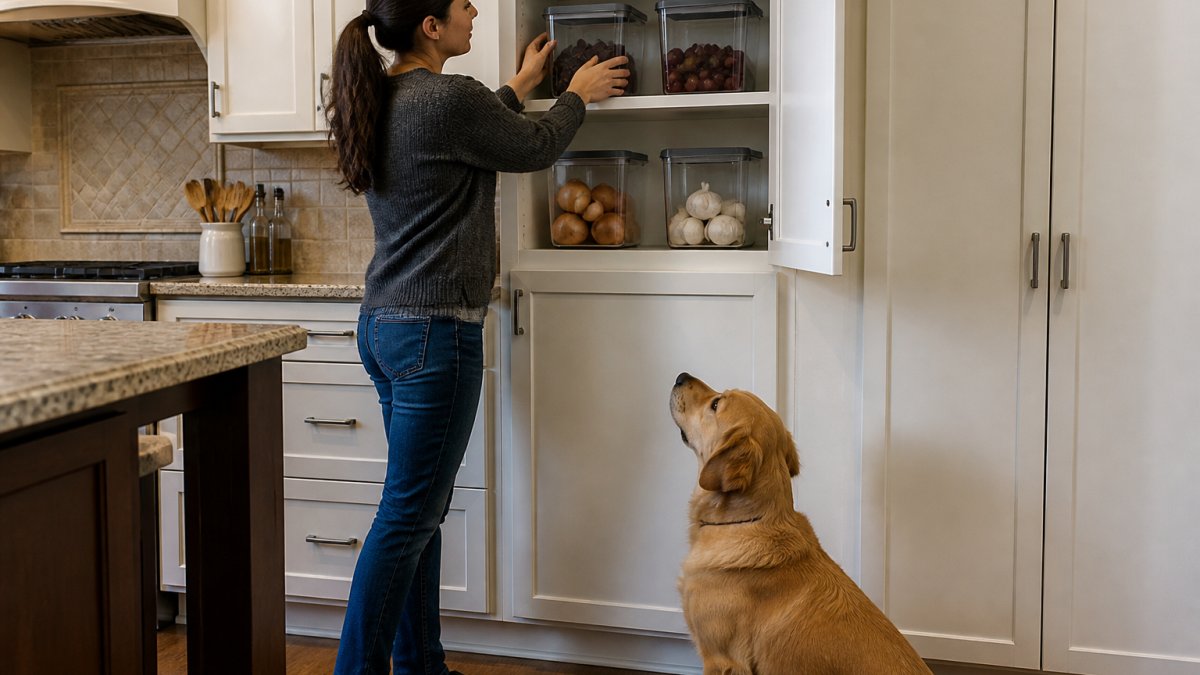
At Smitty's Pet Store, we help pet parents feel confident about keeping their pets safe. Our curated selection of pet supplies includes feeding bowls, storage containers, and other essentials designed to support healthy pet care. We also provide practical guidance like this to help you make informed decisions about what's safe for your pets.
Keeping your pets healthy means knowing which foods to avoid and acting fast if an accident happens.
Frequently Asked Questions
What are the 10 most toxic foods for dogs?
The most dangerous foods for dogs include chocolate, grapes and raisins, onions and garlic, xylitol (found in sugar-free gum and peanut butter), alcohol, avocado, coffee and caffeine, raw yeast dough, moldy foods, and fatty or spicy foods. Each poses different risks, some affect the digestive system, others damage organs or cause blood sugar crashes. Chocolate and xylitol are particularly hazardous because even small amounts can cause serious harm depending on your dog's size and the type of chocolate or product involved.
Which foods are toxic to both dogs and cats?
Grapes, raisins, onions, garlic, alcohol, avocado, chocolate, caffeine, and raw yeast dough are toxic to both dogs and cats. However, cats often metabolize substances differently than dogs. Always assume any toxic food for dogs is also dangerous for cats unless explicitly stated otherwise.
What should I do if my pet eats a toxic food?
First, stay calm and remove your pet from the toxic food immediately. Contact your veterinarian or an animal poison-control center right away, do not wait for symptoms to appear. Have the following information ready: your pet's weight, the food ingested, the amount consumed, and when exposure occurred. Time is critical with some toxins like xylitol, which can cause symptoms within 30 minutes to 2 hours. Never induce vomiting without veterinary guidance, as this can worsen some poisonings. Your vet may recommend observation, decontamination, or emergency treatment depending on the toxin and dose.
How quickly do symptoms of food poisoning appear in pets?
Symptom onset varies by toxin and dose. Xylitol poisoning can cause symptoms within 30 minutes to 2 hours, while chocolate toxicity typically appears within 6 to 12 hours. Grapes and raisins may not show signs for 24 to 72 hours, though kidney damage can develop silently. Onion and garlic toxicity develops gradually over days to weeks with repeated exposure. Some toxins like avocado or fatty foods cause immediate vomiting or diarrhea, while others like alcohol affect the nervous system within 30 to 60 minutes. If you suspect exposure, contact your vet immediately rather than waiting for symptoms, early intervention is crucial.