

5 Common Pet Health Problems: Prevention Guide 2026

Table of Contents
- 1. Dental Disease: The Most Overlooked Pet Health Problem
- 2. Obesity and Weight Management: A Growing Crisis
- 3. Skin Allergies and Dermatological Issues
- 4. Parasite Prevention: Your Pet Parasite Prevention Schedule
- 5. Arthritis and Mobility Support for Aging Pets
- Routine Wellness Exams: How Often Does Your Pet Need One?
- Beyond the Basics: Mental Health, Breed Risks, and Home Safety
- Conclusion: Building Your 2026 Prevention Plan
- Frequently Asked Questions
Last Updated: October 1, 2026
1. Dental Disease: The Most Overlooked Pet Health Problem
Dental disease is one of the most common pet health problems veterinarians treat, and it starts quietly. By the time you notice bad breath, tartar has usually been building for months. The American Veterinary Medical Association's dental care guidance notes that most dogs and cats show signs of periodontal disease by age three.
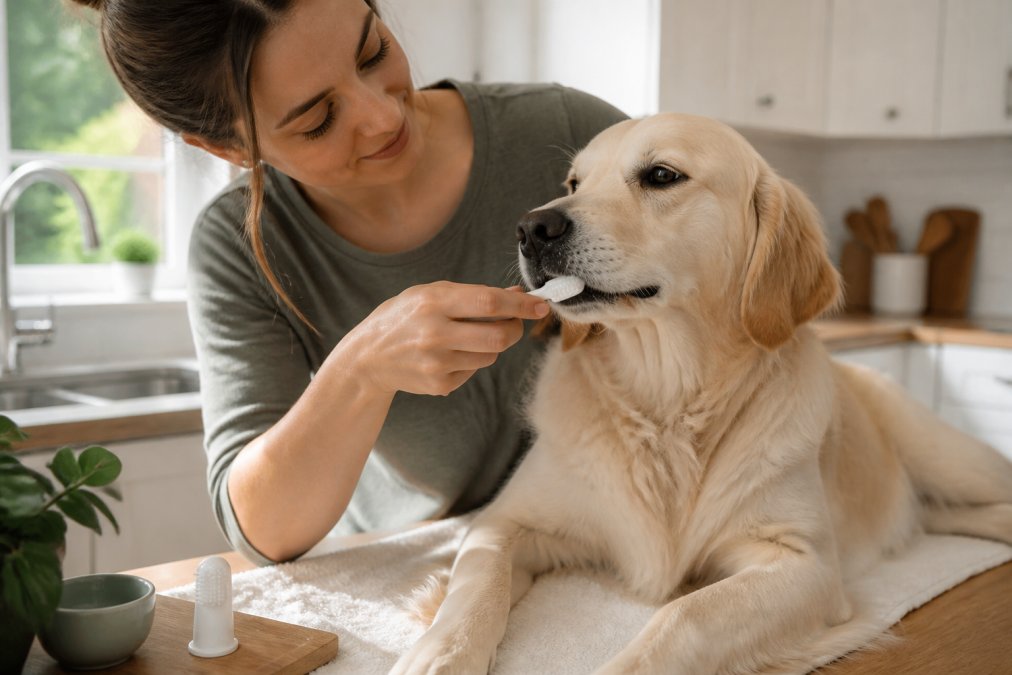
Prevention comes down to frequency, not intensity. Aim for daily brushing, or at minimum three sessions per week.
Best Practices for Pet Dental Hygiene at Home
Start slow and make it positive. A common mistake is forcing a full brushing session on day one, which teaches your pet that the toothbrush means stress.
- Introduce pet-safe toothpaste on your finger first, let them lick it
- Brush just the outer surfaces for the first week
- Work up to the back molars, where tartar builds fastest
- Pair brushing with a reward immediately after
The 3-Sided Dog Toothbrush from Smitty's Pet Store cleans the top, left, and right surfaces of each tooth in one stroke, which cuts brushing time roughly in half for wriggly dogs. Soft nylon bristles are gentle on gums while still lifting plaque. For dogs who resist brushing entirely, the Cooling Dog Chew Toy with Dental Cleaning has zigzag ridges that reach molars and incisors as they chew.

2. Obesity and Weight Management: A Growing Crisis
Obesity shortens a pet's life and worsens nearly every other condition on this list. Extra pounds load joints, strain the heart, and make diabetes more likely. The fix is unglamorous: measure food, cut treats, and move more.
Your vet can assign a body condition score, usually on a 1-9 scale.
- Use a measuring cup, not a scoop or an estimate
- Cap treats at roughly 10% of daily calories
- Weigh your pet monthly on a baby scale
- Split meals into two or three smaller servings
3. Skin Allergies and Dermatological Issues
Skin allergies show up as itching, chewing, redness, and hair loss, and they're among the most frustrating pet health problems to pin down. Common triggers include flea saliva, food proteins, pollen, and household cleaning products.
- Rinse paws after walks during high-pollen weeks
- Switch to fragrance-free cleaners in pet areas
- Wash bedding weekly in hot water
- Keep a symptom log with dates to spot patterns
4. Parasite Prevention: Your Pet Parasite Prevention Schedule
Parasite prevention works best on a fixed schedule, not when you happen to remember. Fleas, ticks, and heartworm are largely preventable, and year-round protection beats seasonal guessing in most of the country.
| Parasite | Prevention Method | Frequency | Watch For |
|---|---|---|---|
| Fleas | Topical or oral preventive | Monthly, year-round | Scratching, flea dirt |
| Ticks | Tick preventive + body checks | Monthly + after walks | Attached ticks, lameness |
| Heartworm | Prescription preventive | Monthly or annual injection | Cough, low energy |
| Intestinal worms | Dewormer per vet guidance | As scheduled | Weight loss, visible worms |
| Ear mites | Regular ear cleaning | Every 2-4 weeks | Head shaking, dark debris |
5. Arthritis and Mobility Support for Aging Pets
Arthritis is progressive, but its impact is manageable when you catch it early. Signs include stiffness after rest, reluctance on stairs, and slowing down on walks. Cats often just stop jumping onto high surfaces.
- Add runners or rugs on main walkways
- Switch to shorter, more frequent walks
- Raise food and water bowls to reduce neck strain
- Keep nails trimmed to improve grip
Routine Wellness Exams: How Often Does Your Pet Need One?
Most adult pets need a wellness exam once a year, while seniors and pets with chronic conditions typically need one every six months. Puppies and kittens need several visits in their first year for their vaccination series. That is the standard answer, but the more useful question is what actually happens at each visit, and how to make the exam do more work for you.
Pet Multivitamin Health Supplement →
What a Wellness Exam Should Actually Cover
The annual check-up is where early detection happens. A thorough visit typically includes:
- Weight and body condition score, the single most useful trend line in your pet's record.
- Dental check, tartar, gum recession, and loose teeth, which owners often miss.
- Heart and lung auscultation, listening for murmurs or abnormal breath sounds before symptoms appear.
- Abdominal palpation, feeling for organ enlargement, masses, or bladder stones.
- Skin and ear exam, catching allergies, infections, and parasites early.
- Eye and ear check, including tear production and ear canal health.
- Lymph node and thyroid palpation, especially important in middle-aged and senior pets.
A Life-Stage Screening Cadence
| Life Stage | Exam Frequency | Typical Screening |
|---|---|---|
| Puppy/kitten (first year) | Every 3-4 weeks until ~16 weeks, then as scheduled | Vaccine series, fecal tests, deworming |
| Adult (1-6 years) | Once a year | Physical exam, fecal, heartworm test, dental check |
| Senior (7+ years, earlier for large breeds) | Every 6 months | Full bloodwork, urinalysis, thyroid, blood pressure |
| Chronic condition | Every 3-6 months | Condition-specific monitoring |
Large-breed dogs age faster than small breeds, so a Great Dane may be considered senior around 6 while a Chihuahua may not be until 9 or 10. That is why a generic "once a year" rule can under-serve big dogs.
The Gap Competitors Skip: Making the Exam Work Between Visits
The exam is a snapshot; the other 364 days are where prevention actually happens. Three habits close that gap:
- Keep a running symptom log. Note dates, not just descriptions. "Itching started March 3, worse after walks" is far more useful to a vet than "he's been itchy."
- Track weight at home. A baby scale or a vet-scale visit every few months catches the slow drift that a once-a-year weigh-in misses.
- Photograph anything unusual. A limp, a skin spot, or a lump is easier to assess with a dated photo than a verbal description.
Beyond the Basics: Mental Health, Breed Risks, and Home Safety
Behavioral health is the prevention gap most guides skip. Anxiety, boredom, and sudden routine changes drive destructive chewing, house soiling, and stress-based overgrooming. Treating these as training problems alone often misses an underlying medical trigger.
- Antifreeze, which tastes sweet to pets
- Grapes, raisins, onions, garlic, and xylitol
- Lilies, which are highly toxic to cats
- Open windows without screens
- Unsecured trash and medication bottles
Conclusion: Building Your 2026 Prevention Plan
Prevention fails when it depends on memory. The pet parents who avoid the five problems above aren't more attentive than you; they've built routines that run without willpower.
Frequently Asked Questions
How often should I take my pet to the vet for a wellness exam?
Most adult pets need a wellness exam once a year. Senior pets, typically over 7 years old, benefit from exams every 6 months because early detection of chronic conditions like arthritis and dental disease becomes more critical with age. Puppies and kittens need more frequent visits for vaccinations and growth checks. Your vet may adjust the schedule based on your pet's breed, lifestyle, and existing health issues.
What is the best way to prevent dental disease in dogs and cats?
Daily brushing is the gold standard for pet dental hygiene. Use a pet-safe toothpaste and a toothbrush designed for animals, like a 3-sided brush that cleans all tooth surfaces at once. Dental chews and toys with textured ridges also help remove plaque between brushings. Schedule professional cleanings as recommended by your vet, usually once a year, to address tartar below the gumline that home care cannot reach.
What does a typical pet parasite prevention schedule look like?
Year-round prevention is recommended for most pets. That means monthly heartworm preventatives, flea and tick control applied or given monthly, and regular fecal tests, usually once or twice a year, to check for intestinal parasites. In warmer regions, mosquitoes and ticks stay active longer, so never skip winter doses. Your vet can tailor the schedule to your pet's risk based on where you live and how much time they spend outdoors.
Are there specific preventive measures for senior pets in 2026?
Senior pets benefit from more frequent wellness exams, typically every 6 months, plus baseline bloodwork and urine tests to catch kidney, liver, and thyroid changes early. Joint supplements and mobility support become more important, as does monitoring weight to reduce strain on aging joints. Dental care remains critical because oral bacteria can affect the heart and kidneys. Talk to your vet about breed-specific screening for conditions common in your pet's genetic line.
How can I improve my pet's immune system at home?
Start with the basics: a balanced diet, fresh water, regular exercise, and consistent sleep. Keep vaccinations current and follow your parasite prevention schedule without gaps. Reduce stress with routine and enrichment, since chronic stress weakens immune response. Supplements like a pet multivitamin can fill nutritional gaps, but they work best alongside proper veterinary care, not as a replacement for it.