

How to Choose Safe Pet Toys: A 2026 Guide

Table of Contents
- Assess Your Pet's Size and Chewing Strength
- Identify Durable Materials and Non-Toxic Construction
- Recognize Signs a Pet Toy Is a Choking Hazard
- Select Durable Dog Toys for Aggressive Chewers
- Inspect Toys Regularly for Wear and Tear
- How to Clean Pet Toys Safely and Effectively
- Match Interactive and Solo Play Toys to Your Pet's Needs
- Conclusion
Last Updated: August 29, 2026
Assess Your Pet's Size and Chewing Strength
The first step in choosing safe pet toys is matching the toy to your pet's physical dimensions and bite force. A toy perfect for a small terrier becomes a choking hazard for a large dog, while a toy designed for aggressive chewers might bore a gentle player. At Smitty's Pet Store, we aim to help pet parents choose toys wisely to prevent toy-related injuries.
Start by measuring your pet's mouth. For dogs, you want a toy larger than their throat opening. A simple rule: if your pet can fit the entire toy in their mouth and close their jaws around it, the toy is too small. Weight and breed matter significantly, a 5-pound Chihuahua and a 90-pound German Shepherd need completely different toy sizes and materials. Larger dogs generate exponentially more bite force; what a small dog can safely mouth for hours might splinter under a large dog's pressure.
Consider your pet's chewing style too. Some dogs are gentle mouthers who carry toys without destroying them. Others are destructive power chewers who pulverize anything soft. Rope toys work fine for gentle chewers but become shredding hazards for aggressive ones. The [American Veterinary Medical Association guidance on pet toy(/products/dog-molars-pet-toy-ball-interactive-training-pet-play-ball-chew-molar-tooth-cleaning-toys-bite-resistant-dog-toys) safety | avma.org] recommends matching toy durability to your pet's chewing intensity. Ask yourself: Does your pet swallow chunks, or do they spit them out? These behavioral patterns determine which materials and toy types will remain safe.
Identify Durable Materials and Non-Toxic Construction
Safe pet toys use durable, non-toxic materials that withstand your pet's natural behaviors without fragmenting or releasing harmful chemicals. Natural rubber, TPU (thermoplastic polyurethane), and food-grade silicone are industry standards for durable dog toys. These materials maintain their integrity under stress and don't break apart into small, ingestible pieces. The Dog Molars Pet Toy Ball from Smitty's Pet Store uses TPU material specifically engineered to withstand aggressive chewing while remaining completely non-toxic and food-grade safe.
Avoid toys made from materials that fragment easily. Low-quality plastic, thin rubber, and untreated natural materials like rawhide can break down into sharp or easily-swallowed pieces. Look for toys that explicitly state they're made from non-toxic, food-grade materials.
Plush toys present special concerns. While soft and appealing, plush materials can be torn apart to expose stuffing, creating serious ingestion risks. Use plush toys only during supervised interactive play. Rope toys require similar caution, natural rope can fray, and your pet can ingest fibers. Use rope toys only during supervised play sessions, and retire them the moment they show signs of unraveling.
Recognize Signs a Pet Toy Is a Choking Hazard
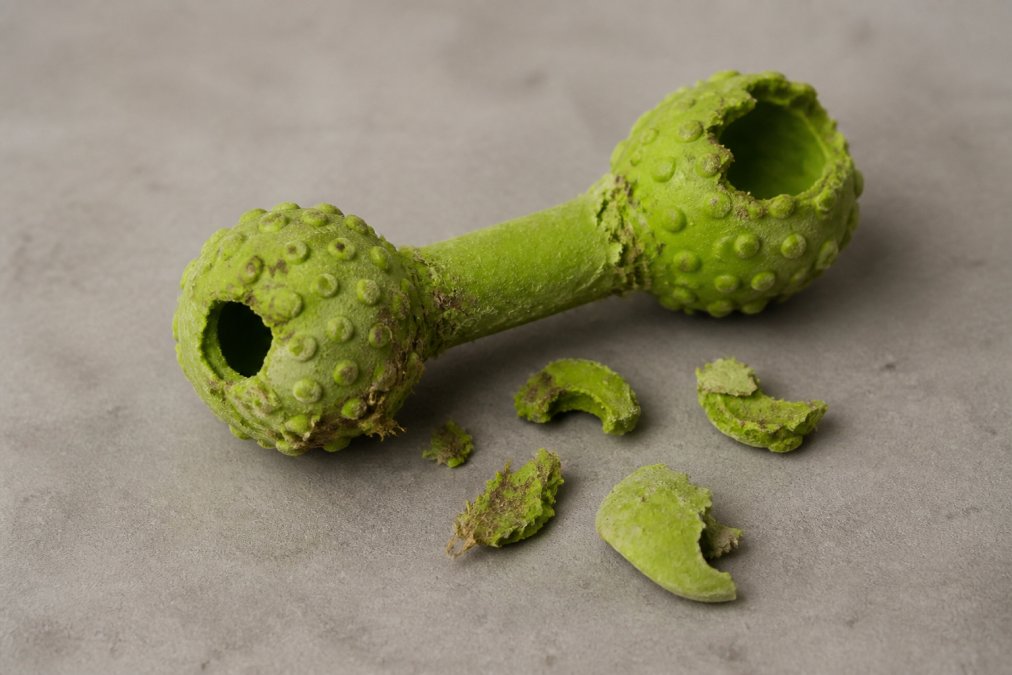
Every toy eventually reaches the end of its safe lifespan. Your job is recognizing when that moment arrives before your pet swallows something dangerous. Inspect toys regularly for visible damage. Tears, punctures, and missing pieces are immediate red flags. Loose threads on rope toys, flaking paint on older toys, and any visible crumbling mean the toy should be discarded immediately.
Watch for toys becoming too small. As your pet chews a toy down, it eventually reaches a size where it could slip past their throat opening. Toys that rattle or contain small internal parts present choking hazards if the outer shell breaks. Squeaker toys are popular, but once the squeaker is exposed, that small plastic piece becomes a serious ingestion risk.
Swelling and discoloration can indicate material degradation. If a toy smells off or shows discoloration, it often signals material degradation that makes the toy unsafe. Create a simple inspection routine: check toys weekly during play sessions and keep a mental note of which toys show wear fastest. Rotate toys to distribute wear and reduce the time any single toy spends in heavy use.
Select Durable Dog Toys for Aggressive Chewers
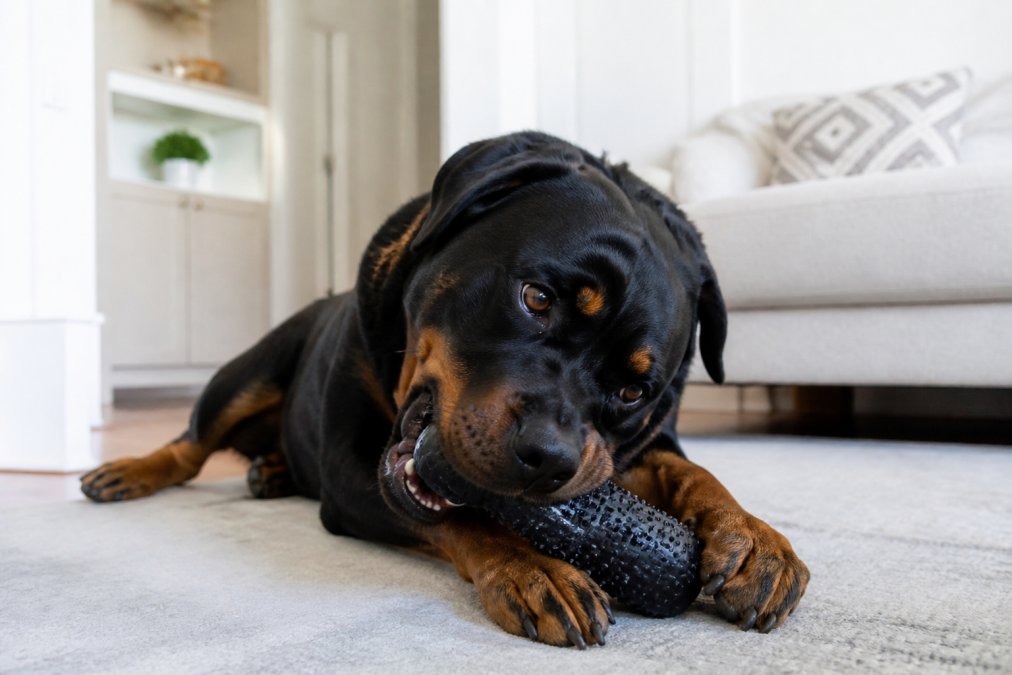
Aggressive chewers destroy standard toys in days. They need toys engineered specifically for heavy-duty use, toys that withstand sustained, intense pressure without fragmenting. The best toys for aggressive chewers are made from extremely durable materials like reinforced rubber, solid TPU, or natural rubber compounds. These materials don't splinter, crack, or break apart under intense bite force. The Dog Molars Pet Toy Ball from Smitty's Pet Store is specifically designed for this use case, its TPU construction can withstand aggressive chewing without creating fragments.
Solid toys outperform hollow ones for aggressive chewers. Hollow toys often collapse under pressure, creating sharp edges or exposing interior materials. Solid rubber balls, solid rubber bones, and solid nylon chews are safer because there's nothing inside to expose. Avoid toys with easily detachable parts like rope handles, attached squeakers, or small charms, these get torn off and swallowed.
Size matters more for aggressive chewers than for gentle players. Buy toys that are oversized relative to your pet's mouth, giving a substantial margin of safety as the toy gradually wears down. Some aggressive chewers benefit from rotation schedules, rotate through several durable toys to distribute wear and keep your pet engaged with toys in good condition.
Inspect Toys Regularly for Wear and Tear
Establishing an inspection routine is one of the most overlooked aspects of toy safety. Create a simple weekly inspection habit. Spend two minutes examining each toy your pet uses regularly. Feel the toy for soft spots, tears, or areas where material is breaking down. Look for discoloration, mold, or signs of bacterial growth. Check that all attached pieces are still securely fastened.
Document which toys show wear fastest. This information helps you make smarter purchasing decisions going forward. Establish discard criteria before you need them, decide in advance: "I'll throw away any toy with a hole larger than a pencil eraser" or "Any toy with loose threads gets retired immediately." Keep a designated toy bin for items you're monitoring, away from regular rotation.
Wash toys regularly as part of your inspection process. Cleaning reveals damage you might miss on a dirty toy and removes bacteria that accumulate during use. Pay special attention to toys after play sessions where your pet was particularly aggressive.
How to Clean Pet Toys Safely and Effectively
Toy sanitation is critical but often overlooked. Toys harbor bacteria, saliva, and food particles that can create hygiene issues. Most rubber and TPU toys can be cleaned with hot soapy water using pet-safe dish soap. Scrub thoroughly, paying special attention to crevices where bacteria hide. Rinse completely under running water until all soap is gone.
For toys with small crevices, use a soft brush like a dental brush to access hard-to-reach areas. Some toys can be sanitized in the dishwasher on a gentle cycle, check care instructions first. Allow toys to air-dry completely before giving them back to your pet.
Rope toys require special care. Hand-wash them in soapy water, then rinse thoroughly. Never put rope toys in the dryer; air-dry them completely. For toys that can't be fully submerged, wipe them down with a damp cloth and mild soap, then dry immediately.
Establish a cleaning schedule. Toys that see heavy daily use should be cleaned weekly. Toys in regular rotation can be cleaned every two weeks. Store clean toys in a dry, well-ventilated location, damp toys in enclosed spaces can develop mold.
Match Interactive and Solo Play Toys to Your Pet's Needs
Not all toys serve the same purpose. Interactive play toys require your participation and are designed for supervised engagement. These toys create bonding opportunities and mental stimulation. You control the toy's movement and can immediately stop play if something goes wrong.
Solo play toys must be extremely safe because your pet uses them without supervision. These toys need to be durable, impossible to disassemble, and free of small parts that could be swallowed. Solid rubber balls, nylon chews, and durable rubber toys designed specifically for solo play are appropriate. The Dog Molars Pet Toy Ball and the Pet Toys Acorn Shape Feeding Toy Ball from Smitty's Pet Store are designed with safety and engagement in mind.

Puzzle feeders represent a middle ground, designed for solo play but providing mental engagement. These work well for pets who need enrichment when you're away, but they still require regular inspection. Rotate toys strategically to keep your pet excited about play sessions and extend toy lifespan by distributing wear.
Supervise new toys initially, even if marketed as solo play toys. Watch how your pet interacts with the toy. Do they chew aggressively or gently? Do they try to disassemble it? This observation helps you determine whether the toy is truly safe for unsupervised use with your specific pet.
Choosing safe pet toys protects your pet from serious injuries while ensuring they stay engaged and enriched. The process starts with understanding your pet's size, chewing strength, and play style, then selecting toys made from durable, non-toxic materials. Regular inspection and cleaning extend toy lifespan and catch problems before they become dangerous. At Smitty's Pet Store, we're committed to helping you find toys that keep your pet happy and healthy. Our curated selection includes toys like the Dog Molars Pet Toy Ball, the Pet Toys Acorn Shape Feeding Toy Ball, and the Brain Games Treats Birthday Squeaky Pet Toys, all chosen specifically for safety, durability, and engagement. Get started with Smitty's Pet Store and discover toys that give you confidence your pet is playing safely.
| Toy Type | Best For | Safety Considerations | Supervision Level |
|---|---|---|---|
| Solid rubber balls | All dogs, especially aggressive chewers | Monitor for size reduction | Moderate |
| Rope toys | Gentle chewers during interactive play | Retire if fraying | High (supervised only) |
| Puzzle feeders | Mental enrichment, solo play | Check for broken pieces | Moderate |
| Plush toys | Gentle, supervised play | Risk of stuffing ingestion | High (supervised only) |
| Dental chews | Heavy chewers, oral health | Retire if too small | Moderate |
| Interactive toys | Bonding, supervised engagement | Depends on toy type | High (supervised only) |
According to the American Kennel Club's recommendations on toy safety, choosing appropriately sized toys and inspecting them regularly prevents the majority of toy-related injuries. The Pet Poison Helpline's data on toy-related emergencies shows that toy fragments and ingestion account for thousands of veterinary visits annually, many of which are preventable through proper toy selection and maintenance. Regular inspection combined with matching toys to your pet's size and chewing intensity creates a safer play environment and gives you confidence that your pet's toys support their health rather than threatening it.
Frequently Asked Questions
Q: What are the safest materials for pet toys?
A: Look for non-toxic, food-grade materials like natural rubber, TPU (thermoplastic polyurethane), and rope made from natural fibers. Avoid toys with harmful dyes, chemical coatings, or materials that fragment easily. Check product descriptions for mentions of non-toxic construction, and choose items from trusted brands that prioritize pet safety in their design.
Q: How often should you inspect pet toys for wear and tear?
A: Inspect toys at least once weekly, or more frequently for aggressive chewers. Look for loose threads, cracks, missing pieces, or areas where material is separating. Discard toys showing signs of fragmentation or material integrity loss immediately, as these pose ingestion and obstruction risks. Daily monitoring during play sessions helps catch problems early before they become safety hazards.
Q: How do I know if a toy is safe for my aggressive chewer?
A: Choose toys specifically designed for heavy chewers using durable materials like reinforced rubber or thick rope. Check the product label for bite-resistant claims and durability ratings. Test the toy by applying firm pressure, it should not easily tear, splinter, or fragment. Supervise playtime initially, and replace toys immediately if they show wear. Toys from reputable manufacturers often include guidance on appropriate chewing intensity.
Q: What should I do if my pet swallows toy material?
A: Contact your veterinarian immediately if you suspect your pet has ingested toy material. Describe what was swallowed and when. Small pieces may pass naturally, but larger fragments can cause intestinal obstruction, which is a serious medical emergency. Do not wait for symptoms to appear. Your vet can advise whether monitoring or imaging is necessary. Prevention through proper supervision and toy selection is far safer than managing ingestion incidents.
This article was written using GrandRanker