

How to Choose Safe Pet Products: A Complete Guide

Table of Contents
- Why Choosing Safe Pet Products Matters
- How to Read Pet Food Labels for Safety and Nutrition
- Check FDA Pet Food Recalls and Product History
- Select Safe Materials for Dog Toys and Accessories
- Verify Regulatory Certifications and Quality Standards
- Match Products to Your Pet's Size, Age, and Energy Level
- Monitor Safety After Purchase and Stay Informed
- Conclusion
Last Updated: August 8, 2026
Why Choosing Safe Pet Products Matters
Your pet depends on you to make decisions that keep them healthy and happy. Contaminated pet food can cause serious illness, toxic materials in toys can poison your animal, and poorly designed accessories can create choking hazards or injuries. At Smitty's Pet Store, we understand that choosing safe pet products isn't just about following rules, it's about protecting the creatures you love.
The pet product industry isn't always transparent. Marketing claims sound reassuring but often hide concerning details, labels use vague terminology, and standards vary wildly between manufacturers. A product that looks safe might contain ingredients linked to health problems. Learning how to evaluate pet products yourself is essential, you can't rely on packaging alone.
This guide walks you through practical steps to identify safe pet products before they reach your home. You'll learn how to read labels critically, verify product history, check for certifications, and match items to your specific pet's needs.
How to Read Pet Food Labels for Safety and Nutrition
Pet food labels contain critical information, but they're designed to be overwhelming. Learning to read these labels is your first line of defense against unsafe or nutritionally inadequate products.
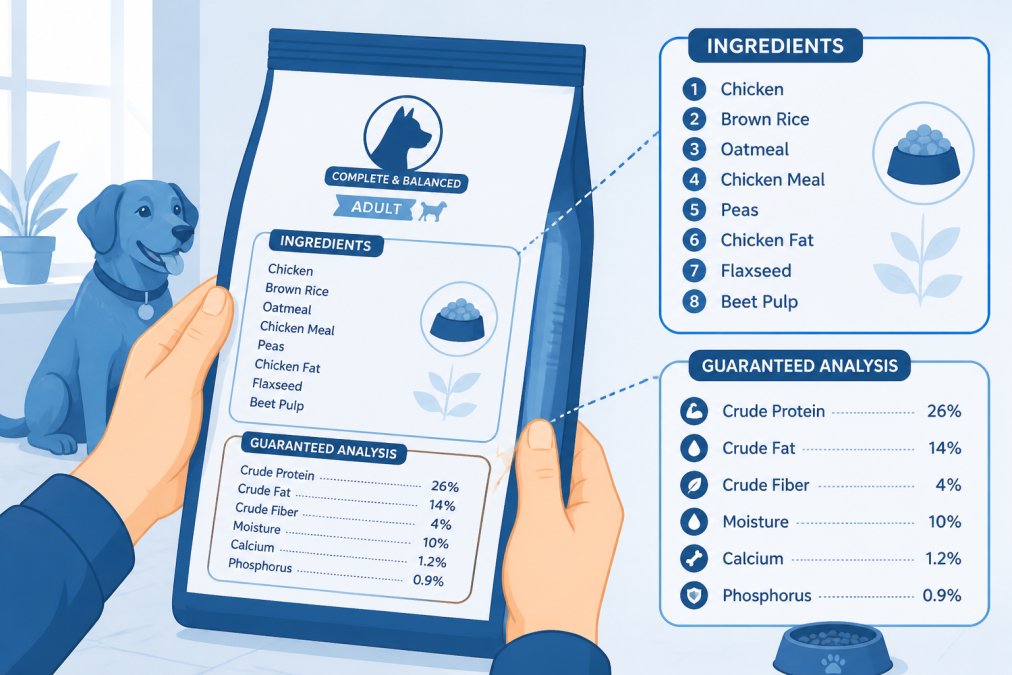
Start with the ingredient list. Ingredients are listed by weight in descending order, so the first few items tell you what your pet is actually eating. Look for whole protein sources like chicken, beef, fish, or lamb, complete proteins that your pet's body recognizes and uses efficiently.
Understanding the Guaranteed Analysis
The guaranteed analysis section shows minimum percentages of crude protein and crude fat, plus maximum percentages of crude fiber and moisture. Crude protein percentage indicates how much protein the food contains, but not its quality or digestibility. A food with 25% crude protein from whole meat sources differs vastly from one with 25% from meat by-products and animal digest.
Check crude fat content as well. Fat is essential for healthy skin and coat, but excessive fat can lead to obesity and digestive issues. The right balance depends on your pet's life stage and activity level.
Identifying Life Stage and Species-Specific Nutrition
Pet food labels should clearly indicate which life stage the food is formulated for: puppy, adult, senior, or all life stages. A puppy requires higher protein and calories to support growth. A senior dog needs lower calories and joint-supporting nutrients like glucosamine.
Species-specific nutrition is equally important. Cats are obligate carnivores and require taurine, an amino acid that dogs can synthesize themselves. A cat eating dog food can develop serious health problems.
Look for the AAFCO (Association of American Feed Control Officials) statement on the label. This indicates whether the food meets minimum nutritional standards for a specific life stage.
Spotting Red Flags: Meat By-Products and Synthetic Additives
Meat by-products are a major red flag. These are parts of animals left over after human-food processing, beaks, hooves, organs, low-quality protein sources used to inflate protein percentages without providing quality nutrition.
Artificial dyes, colors, and flavors serve no nutritional purpose and have been linked to behavioral issues and allergic reactions in some animals. Look for foods using natural coloring from sources like beet juice or sweet potato instead.
Artificial preservatives like BHA, BHT, and ethoxyquin have raised health concerns. Many manufacturers now use natural preservatives like mixed tocopherols (vitamin E) or rosemary extract.
Check FDA Pet Food Recalls and Product History
Before buying any pet food, check the FDA's pet food recall database. This free resource shows every product recalled due to contamination, mislabeling, or safety concerns.
Go to the FDA's website and search for recalls by brand, product name, or ingredient. Look at the reason for the recall. A product with a recall history is one to avoid.
Pay attention to recall patterns. If a manufacturer has multiple recalls over a short period, it suggests systemic quality control problems. One recall might be isolated; multiple recalls indicate a company that doesn't prioritize safety.
Also check whether the manufacturer responded to past recalls transparently. Did they communicate quickly with customers? A company's response to a safety issue reveals a lot about their values and commitment to pet safety.
Select Safe Materials for Dog Toys and Accessories
The materials in toys and accessories matter as much as food ingredients. Your pet spends hours interacting with these items, often chewing or ingesting small pieces.
Non-Toxic Materials and BPA-Free Standards
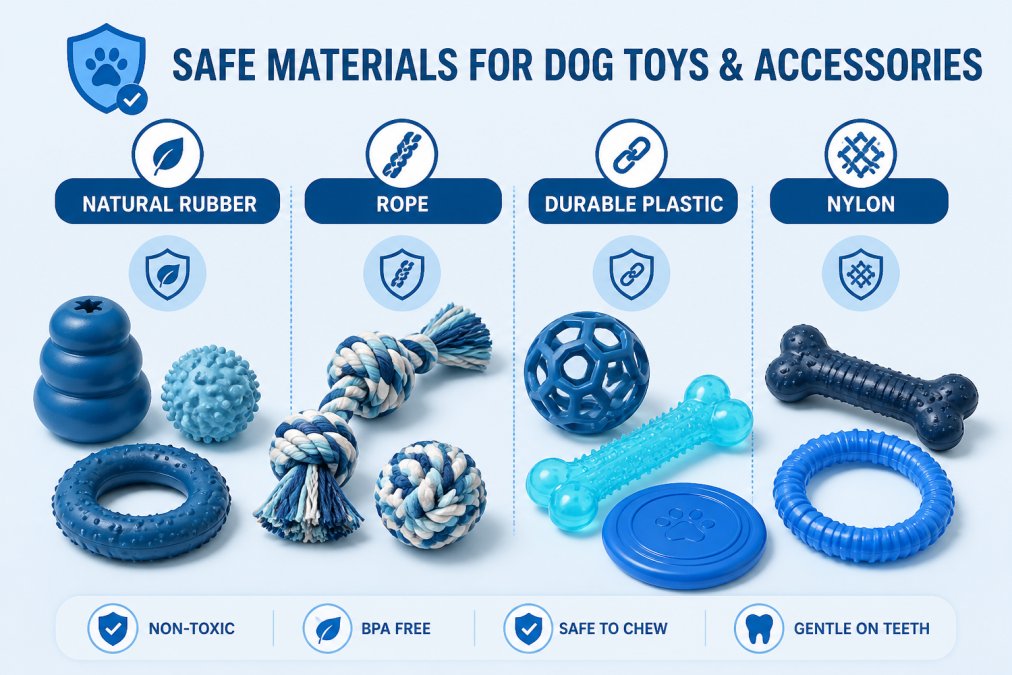
Look for toys made from natural rubber, nylon, or rope designed for pet use. These materials are durable and won't break down into toxic particles when chewed. Avoid toys made from PVC plastic, which can leach harmful chemicals. Many manufacturers now produce BPA-free toys, meaning they don't contain bisphenol A, a chemical linked to endocrine disruption.
Phthalates are another concern. These plasticizers make plastic flexible, but they can leach into your pet's mouth during chewing. Look for toys explicitly labeled phthalate-free.
Natural materials like untreated wood, sisal rope, and organic cotton are excellent choices. These materials break down naturally if swallowed in small amounts, unlike synthetic plastics that can cause intestinal blockages.
Avoiding Choking Hazards and Durability Concerns
Choking hazards are a serious risk with pet toys. Small parts that can be separated, squeakers that can be extracted, and toys that are too small for your pet's size all pose dangers. Before buying, inspect the toy carefully. If you can remove the squeaker or separate pieces easily, your pet will too.
Size matters. A toy that's too small for your dog can be swallowed whole. Any toy should be larger than your pet's mouth.
Durability is a safety issue, not just a value issue. A toy that falls apart after a few minutes of chewing creates sharp edges and small pieces that can injure your pet's mouth or digestive system. Buy toys from manufacturers known for durability and read reviews about how long toys last with aggressive chewers.
Verify Regulatory Certifications and Quality Standards
Certifications and standards provide third-party verification that products meet safety requirements.
For pet food, look for products that have undergone AAFCO testing or formulation. For toys and accessories, certifications are less standardized, but some manufacturers pursue third-party testing for lead, phthalates, and other harmful substances.
Check whether the manufacturer is transparent about their quality control processes. Do they publish information about where ingredients come from? Do they test finished products for contamination? Companies that prioritize safety will share these details willingly. Smitty's Pet Store carefully selects products based on safety standards and quality control practices, ensuring that every item in our curated selection meets rigorous criteria before reaching your home.
Match Products to Your Pet's Size, Age, and Energy Level
A safe product for one pet might be completely wrong for another. Size, age, and activity level all affect which products are appropriate.
A toy that's safe for a large dog might be a choking hazard for a small breed. A senior dog with dental issues needs softer chew toys than a young adult dog with strong teeth.
Pet food formulations account for these differences. Puppy food has more calories and protein to support growth. Large-breed puppy formulas include specific mineral ratios to support bone development. Senior formulas have lower calories and added joint support.
Consider your pet's activity level when selecting toys and accessories. A working dog or highly active pet can handle tougher materials. A less active pet needs gentler options.
Monitor Safety After Purchase and Stay Informed
Choosing safe products doesn't end at checkout. Monitoring your pet's response to new products and staying informed about emerging safety issues is part of responsible pet ownership.
When you introduce new food, watch for signs of digestive upset, allergic reactions, or behavioral changes. If your pet experiences vomiting, diarrhea, or itching after starting a new food, switch back to the previous product and consult your veterinarian.
With toys, supervise your pet during play, especially with new items. Watch for signs that the toy is breaking down or that your pet is ingesting pieces.
Stay informed about recalls and product updates. Sign up for notifications from the FDA's recall service. Follow manufacturers' social media or email lists for alerts about safety issues.
Your veterinarian is your best resource for personalized guidance. They understand your pet's specific health needs, dietary sensitivities, and risk factors. Ask them to recommend safe brands and products.
Choosing safe pet products requires more effort than grabbing whatever's convenient at the store, but the payoff is enormous. Your pet's long-term health, happiness, and safety depend on the decisions you make today. By learning to read labels, checking product history, verifying materials, and matching products to your pet's needs, you take control of their wellbeing. At Smitty's Pet Store, we're committed to making this process simpler by curating a selection of trusted pet supplies that have been vetted for safety and quality. Our team carefully evaluates every product, from food and treats to toys and accessories, so you can shop with confidence knowing that each item meets rigorous safety standards. Let us help you feel more confident in your pet care choices.
| Safety Check | What to Look For | Why It Matters |
|---|---|---|
| Food Labels | Whole protein sources, AAFCO statement, no meat by-products | Ensures complete, balanced nutrition and quality ingredients |
| Recalls | FDA database, recall reasons, manufacturer response | Prevents contamination and safety issues |
| Toy Materials | BPA-free, phthalate-free, natural rubber or nylon | Protects against toxic chemical exposure |
| Certifications | Third-party testing, quality control transparency | Verifies products meet safety standards |
| Pet-Specific Match | Life stage, size, activity level, health conditions | Prevents inappropriate products and injuries |
Frequently Asked Questions
How do I know if a pet product has a recall?
Check the FDA's official website for pet product recalls, which lists all safety alerts for pet food and accessories. You can search by product name or brand. Sign up for FDA email alerts to receive notifications about new recalls in real-time. For specific products you own, visit the manufacturer's website or contact their customer service directly to verify the product's safety status and recall history.
What certifications should I look for when choosing safe pet products?
Look for products that meet AAFCO (Association of American Feed Control Officials) standards for pet food, which ensures complete and balanced nutrition. For toys and accessories, check for certifications from third-party testing organizations that verify non-toxic materials and safety standards. Products labeled as BPA-free and phthalate-free indicate safer plastic materials. Always verify certifications on the packaging or manufacturer's website rather than trusting marketing claims alone.
How do I read pet food labels to identify toxic ingredients?
Start by checking the ingredient list for whole protein sources like chicken or beef, which should appear first. Avoid products listing meat by-products, animal digest, or unnamed meat sources, as these lack transparency about quality. Look for artificial dyes, synthetic preservatives, and excessive fillers. Review the guaranteed analysis to ensure adequate protein and fat content for your pet's life stage. When in doubt, consult your veterinarian about specific ingredients or brands.
What materials are safest for dog toys?
Hard rubber toys, natural rubber, and durable nylon are generally safe choices. Avoid toys with small parts that could become choking hazards, and inspect toys regularly for tears or degradation. Ensure toys are labeled as non-toxic and free from phthalates and BPA. Rope toys should be supervised during play and removed if strands begin to fray. Match toy durability to your dog's chewing strength, aggressive chewers need tougher materials than gentle chewers.
This article was written using GrandRanker