

High Quality Rabbit Supplies for New Owners

Table of Contents
- Essential Housing and Enclosures
- Best Rabbit Food for Indoor Bunnies
- Watering and Feeding Systems
- Rabbit Proofing Supplies for Home
- Essential Rabbit Grooming Tools
- Safe Chewing and Enrichment Toys
- Litter Box Training Supplies and Bedding
- Budget-Friendly DIY Alternatives and Seasonal Adjustments
Last Updated: August 23, 2026
When you bring home your first rabbit, the shopping list feels overwhelming. Timothy hay, pellet bowls, water bottles, litter boxes, toys, grooming tools, suddenly you're staring at dozens of options. At Smitty's Pet Store, we offer a curated selection of high quality rabbit supplies for new owners that match their actual needs.
You don't need everything at once, and you definitely don't need to overspend. What you do need is clarity on what matters most for your rabbit's health, safety, and happiness. Below, we'll walk you through the essential categories of high quality rabbit supplies for new owners, show you what to prioritize, and share budget-friendly alternatives that don't sacrifice on quality.
Essential Housing and Enclosures
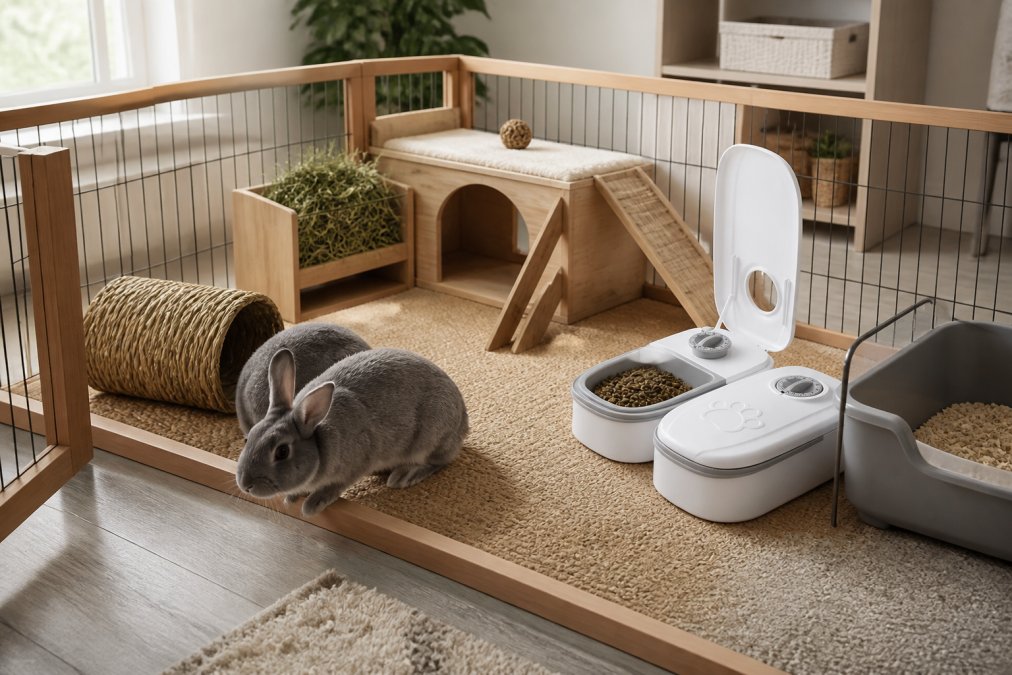
Your rabbit's home is the foundation of everything else. A proper hutch or exercise pen provides safety, enrichment, and room to express natural behaviors like running, binkying, and digging.
Many new owners start with wire-bottom cages, thinking they're easier to clean. Wire bottoms actually cause painful foot sores and digestive issues. Instead, choose a solid-bottom enclosure with at least 30 square feet of space for a medium rabbit (the American Academy of Dermatology). An exercise pen (x-pen) paired with a smaller hutch gives you flexibility: your rabbit gets supervised room time during the day and a secure sleeping area at night.
Look for enclosures made from non-toxic materials, untreated wood, sturdy plastic, or metal frames without sharp edges. Your rabbit will chew on parts of the enclosure, so avoid anything treated with pesticides or paint. Ventilation matters; rabbits are sensitive to heat and ammonia from urine buildup, so choose designs with good airflow rather than fully enclosed boxes.
Layer a solid base with blankets or substrate, then add a wire or plastic tray on top for easy cleaning. This keeps your rabbit's feet dry and makes daily maintenance realistic. Add a litter box, hay storage, hiding spots, and water access inside.
Best Rabbit Food for Indoor Bunnies
The foundation of any rabbit diet is unlimited timothy hay, not alfalfa or mixed hays. Timothy hay provides the fiber and digestive health that keeps your rabbit's gut moving properly.
Pellets come second. Choose high-fiber pellets (minimum 18% fiber) with timothy hay as the first ingredient. Many commercial pellets marketed for rabbits are too high in calcium and too low in fiber, causing urinary and digestive problems. Look for pellets with minimal fillers and no artificial colors. Use one quarter cup of pellets per 5 pounds of body weight, split into two meals.
Fresh vegetables round out the diet. Rabbits need daily greens like romaine lettuce, cilantro, parsley, and dark leafy greens. Introduce new vegetables slowly to avoid digestive upset. Avoid iceberg lettuce and large quantities of spinach.
The ratio should be roughly 80% hay, 10% pellets, 10% fresh vegetables by volume. Pellets are a supplement to hay, not a replacement. If your rabbit eats mostly pellets, you're setting up digestive and dental problems.
Watering and Feeding Systems
Rabbits need constant access to fresh, clean water. You have two main options: a ceramic crock or a water bottle with a metal ball bearing.
Crocks are easier to keep clean and more natural for rabbits. The downside is that they spill easily and need frequent refilling. Water bottles keep water cleaner longer and prevent spills, but many rabbits struggle with the ball bearing mechanism. If you choose a bottle, test it daily by tapping the ball bearing to ensure water flows.
The best approach: use both. A ceramic crock for drinking and a backup water bottle as insurance. This redundancy means that even if one system fails, your rabbit stays hydrated. Check both systems twice daily.
For pellets and vegetables, use ceramic dishes. They're heavy enough that rabbits can't flip them, easy to sanitize, and last for years. Avoid plastic bowls; rabbits chew them, and plastic fragments can cause intestinal blockages.
| Watering Method | Pros | Cons | Best For |
|---|---|---|---|
| Ceramic Crock | Natural drinking position, easy to clean | Spills easily, needs frequent refilling | Indoor rabbits with supervised space |
| Water Bottle | Keeps water clean, prevents spills | Ball bearing can jam, harder to drink from | Rabbits already familiar with bottles |
| Dual System (both) | Redundancy ensures hydration, covers all scenarios | Requires more maintenance | New owners who want peace of mind |
Rabbit Proofing Supplies for Home
Before your rabbit has free roam time, rabbit-proof your space. Rabbits are curious, destructive, and surprisingly determined. They'll chew through electrical cords, baseboards, furniture, and houseplants, many of which are toxic or dangerous.
Use baby gates to block off areas you want to protect. Install wire or plastic guards around electrical cords and baseboards. Move toxic houseplants out of reach; lilies, ivy, and foxglove are poisonous to rabbits. Search online for "toxic plants for rabbits" to verify your houseplants.
Provide approved chewing alternatives. Rabbits need to chew. If you don't give them safe things to chew, they'll find unsafe ones. Willow baskets, untreated wood blocks, cardboard boxes, and commercial chew toys keep their teeth worn down and minds engaged.
Watch for hidden hazards. Check behind furniture, under beds, and inside cabinets where a rabbit could get stuck. Use cardboard or plastic barriers to block access to dangerous spaces. Secure loose wires, remove small objects they could swallow, and ensure furniture won't tip over.
Treat your space like you're preparing it for a toddler. Assume everything will be tested with teeth.
Essential Rabbit Grooming Tools
Rabbits don't need baths, but they need regular grooming. A soft-tip comb or grooming brush removes loose fur and prevents matting, especially important for long-haired breeds. During shedding season, daily brushing prevents your rabbit from ingesting too much fur, which can cause digestive blockages.

Nail clippers are essential. Rabbit nails grow continuously and can curl back into the paw pad if left untrimmed, causing pain and infection. Trim nails every 4-6 weeks using a small animal nail clipper designed for rabbits or guinea pigs (the American Academy of Dermatology). If you're nervous, your vet can do it, but learning to do it at home saves money and stress.
Check your rabbit's teeth monthly for signs of overgrowth or misalignment. A proper diet of timothy hay keeps them naturally worn down. Overgrown teeth can cause serious eating problems and pain.
Ear cleaning is occasional but important. Rabbits can develop ear mites or waxy buildup. Use a soft cloth or cotton ball with a tiny bit of warm water for routine cleaning. Never use cotton swabs deep in the ear canal.
Safe Chewing and Enrichment Toys
Boredom is a real problem for indoor rabbits. A bored rabbit becomes destructive. Enrichment toys and chewing materials keep your rabbit mentally stimulated and physically active.
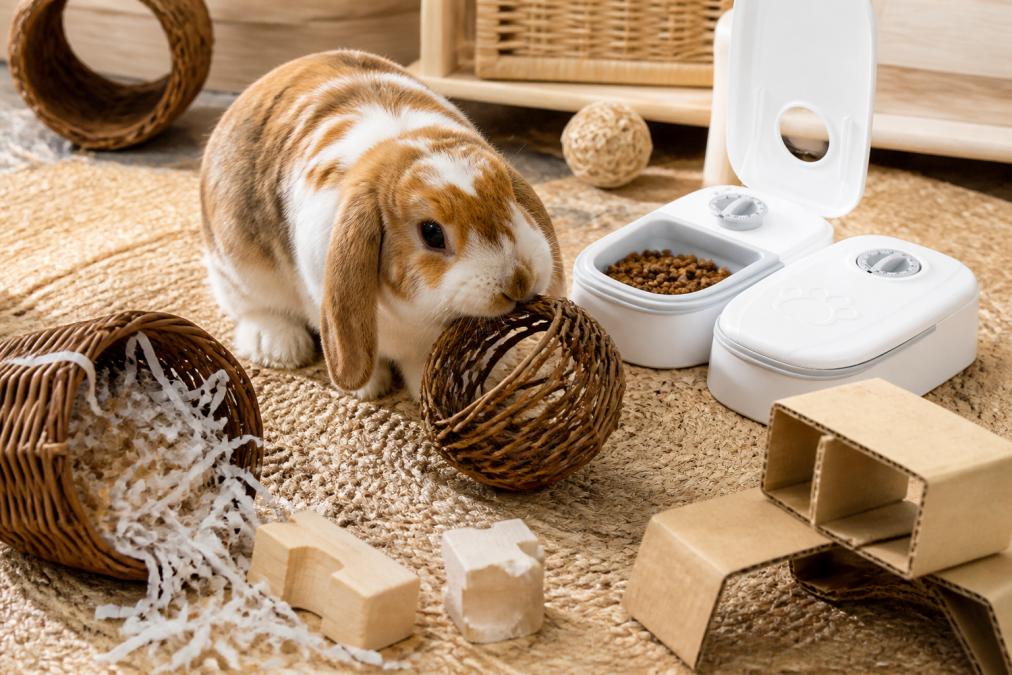
Willow baskets are a rabbit favorite. They're safe to chew, inexpensive, and rabbits genuinely enjoy the texture. Rotate baskets in and out so your rabbit doesn't get bored. When a basket gets heavily chewed, replace it.
Balsa wood blocks and untreated wood chew toys satisfy the chewing instinct. Avoid painted or treated wood. Many commercial "rabbit toys" are unsafe; stick with natural materials you can verify.
Foraging toys encourage natural behavior. The Brain Games Treats toy from Smitty's Pet Store combines squeaky sounds, hidden treats, and a puzzle element that encourages natural foraging instincts. This type of enrichment prevents boredom-related behavioral problems like excessive digging or aggression.

Cardboard boxes and paper bags are free enrichment. Rabbits love to chew, shred, and hide in cardboard.
Rotate toys regularly. A toy ignored one week becomes fascinating the next if you put it away and bring it back.
Litter Box Training Supplies and Bedding
Rabbits naturally use a corner of their enclosure as a bathroom. Training is usually just placing a litter box in that corner. This makes daily maintenance easier and keeps your rabbit's living space cleaner.
Choose a litter box large enough for your rabbit to turn around in comfortably. Plastic or ceramic works; avoid metal boxes that can rust. Place a layer of litter substrate in the box, then add hay on top. Rabbits like to eat hay while using the bathroom, so this setup encourages use.
Use paper-based bedding, aspen shavings, or pelleted litter. Avoid cedar and pine shavings; they're toxic and cause respiratory problems (peer-reviewed research). Clay-based cat litter is too dusty and can cause digestive issues if ingested. Many rabbit owners use pelleted litter on the bottom for absorbency and hay on top.
For the main enclosure, soft substrate like hay, straw, or shredded paper supports natural burrowing behavior. Daily spot-cleaning of the litter box keeps odor down and your rabbit's environment fresh. Full substrate changes happen weekly or as needed. A properly maintained enclosure doesn't smell; if it does, you need more frequent cleaning or better ventilation.
Budget-Friendly DIY Alternatives and Seasonal Adjustments
You don't need to spend hundreds of dollars to set up your rabbit properly. Many essential items have budget-friendly alternatives that work just as well.
Cardboard boxes replace expensive hideouts. Free from grocery stores, they provide shelter, enrichment, and entertainment. Replace them as they get destroyed.
Paper bags and newspaper replace commercial bedding. Shredded newspaper or paper bags work as substrate and cost nothing if you save your own paper.
DIY foraging toys replace expensive puzzle feeders. Hide pellets or treats in toilet paper tubes, paper bags, or cardboard boxes. Your rabbit has to dig and search to find food, providing the same mental stimulation as commercial toys.
Old towels and blankets replace expensive pet bedding. Wash them regularly and layer them for comfort.
Seasonal adjustments matter for indoor rabbits. In summer, provide extra water access and ensure good ventilation. Some rabbits appreciate a ceramic tile or marble slab to lie on for cooling. In winter, add extra bedding for warmth and maintain humidity levels to prevent respiratory issues.
During heavy shedding seasons (spring and fall), increase grooming frequency and keep extra lint rollers on hand.
Basic rabbit care is genuinely affordable. The Automatic Pet Feeder with Timer from Smitty's Pet Store costs just $46.65 and eliminates the stress of inconsistent feeding schedules. The Pet Nail Grinder at $29.99 saves money on vet grooming visits. Strategic purchases of high-quality essentials often cost less over time than buying cheap items repeatedly.

Setting up for your first rabbit doesn't require perfection or excessive spending. Focus on the fundamentals: safe housing with good ventilation, unlimited timothy hay, appropriate pellets, fresh water, a litter box, and safe enrichment. These elements create an environment where your rabbit can thrive. As you learn your rabbit's personality and preferences, you'll refine your setup. Start with Smitty's Pet Store's curated selection of trusted rabbit supplies and practical guidance to build a stress-free care routine that keeps your rabbit happy and healthy for years to come.
Frequently Asked Questions
What are the most essential supplies for a first-time rabbit owner?
Start with housing (exercise pen or hutch), timothy hay, quality pellets, a ceramic food dish, water bottle or crock, litter box, bedding, grooming brush, and safe chewing toys. These basics cover shelter, nutrition, hygiene, and enrichment. Add nail clippers and a soft-tip comb as your rabbit grows.
How do I choose the best rabbit food for indoor bunnies?
Select timothy hay as your primary food, it should make up 70% of their diet and supports digestive health and fiber intake. Choose high-quality pellets (1/4 cup daily for a 5-lb rabbit) with at least 18% fiber. Add fresh vegetables like romaine lettuce, bell peppers, and carrots daily. Avoid pellets with seeds, dried fruits, or artificial colors. Quality matters: poor-quality hay causes digestive issues and dental problems.
What is the 3-3-3 rule for rabbits?
The 3-3-3 rule helps new rabbit owners adjust expectations: 3 days to decompress in their new space, 3 weeks to learn your routine and settle in, and 3 months to fully bond with you and show their true personality. During the first 3 days, keep your rabbit in a quiet enclosure with hay, water, and a hiding spot. This reduces stress and helps them acclimate safely.
What rabbit proofing supplies do I need for my home?
Essential rabbit proofing includes wire guards for electrical cords, plastic tubing to cover cables, baby gates to restrict access, and cardboard barriers for baseboards. Remove toxic plants like lilies and clover. Secure loose rugs and block access to small spaces where rabbits can hide and get stuck. Use an exercise pen (x-pen) to create a safe play area. Check your space regularly for hazards since rabbits are curious and will chew anything accessible.
Are there specific grooming tools required for new rabbit owners?
Essential rabbit grooming tools include a soft-tip comb for regular brushing (prevents matting and reduces shedding), nail clippers for trimming nails every 4-6 weeks, and a grooming brush for long-haired breeds. Daily maintenance prevents digestive issues from ingested fur and keeps your rabbit's coat healthy. Professional grooming is optional unless your rabbit has severe matting, but learning basic grooming at home saves money and builds bonding time.
This article was written using GrandRanker