

Essential Pet Care Guide for 2026

Table of Contents
- Building New Pet Care Routine Habits
- Essential Pet Wellness and Vaccine Guide 2026
- Nutrition and Balanced Diet Fundamentals
- Preventive Care and Annual Health Checkups
- Emergency Pet Preparedness Guide
- Mental Stimulation, Exercise, and Behavioral Guidance
- Seasonal Safety and Senior Pet Care
- Pet Insurance and Financial Planning for 2026
- Frequently Asked Questions
Last Updated: September 2, 2026
Building New Pet Care Routine Habits
Establishing a consistent pet care routine is the foundation of everything that follows. Without structure, even the best intentions fall apart. Most pet owners start with enthusiasm, then life gets busy, feeding times slip, grooming gets postponed, and preventive care gets forgotten.

The key is building habits that don't require willpower every single day. At Smitty's Pet Store, pet parents who succeed are those who anchor their pet care to existing daily routines. If you already check email every morning, that's when you refill water bowls. If you have a lunch break, that's exercise time. If you wind down in the evening, that's grooming time.
Start by documenting what your pets actually need. Write down feeding times, exercise requirements, grooming schedules, and vet appointment dates. This isn't busywork, it forces you to think through the full picture instead of reacting to immediate needs. Many pet owners realize they've been inconsistent only when they see it written down.
One practical tool that changes everything is an automatic feeder. The Automatic Pet Feeder with Timer & Stainless Steel Bowl removes the guesswork from daily feeding. Set it once, and your pet eats on schedule whether you're home or not. This alone prevents overfeeding, reduces meal-related stress, and keeps your pet's digestive system stable.

Essential Pet Wellness and Vaccine Guide 2026
Pet wellness isn't just about treating illness when it appears. It's about preventing problems before they start. Preventive care means regular veterinary visits, up-to-date vaccinations, and early detection of health issues. This approach saves money long-term and keeps your pet living their best life.
Core Vaccinations Every Pet Needs
Core vaccinations are non-negotiable. These protect against diseases that are widespread, serious, or fatal. For dogs, core vaccines include protection against rabies, distemper, and parvovirus (avma.org). For cats, core vaccines cover rabies, feline viral rhinotracheitis, calicivirus, and panleukopenia. Your veterinarian will establish a vaccination schedule starting as a puppy or kitten, then maintain it with booster shots throughout life.
The timing matters. Puppies and kittens typically receive their initial series at 6-8 weeks, then again at 10-12 weeks, and a final dose at 14-16 weeks. Rabies vaccination usually happens at 12-16 weeks or later, depending on local law and your vet's protocol. After the initial series, most pets need boosters every 1-3 years depending on the vaccine and your pet's lifestyle.
Don't skip this step thinking your indoor pet doesn't need protection. Even indoor cats can escape. Even small dogs can encounter wildlife. Vaccination is inexpensive compared to treating the diseases they prevent. A rabies exposure alone can cost thousands in post-exposure prophylaxis and quarantine requirements.
Lifestyle-Based Vaccines and Parasite Prevention
Beyond core vaccines, lifestyle-based vaccines protect against diseases your pet might encounter based on their specific activities and environment. Dogs that spend time outdoors, at dog parks, or in boarding facilities benefit from vaccines against bordetella (kennel cough), leptospirosis, and Lyme disease. Cats that go outside need feline leukemia protection.
Parasite prevention is equally critical. Fleas, ticks, and intestinal parasites aren't just uncomfortable, they transmit serious diseases. Monthly or quarterly preventive treatments are standard. Many vets recommend year-round parasite prevention even in colder climates, since heated homes create ideal conditions for parasites to survive winter.
According to the American Veterinary Medical Association's parasite prevention guidelines, heartworm prevention is essential in most regions, particularly for dogs. Heartworm disease develops from mosquito bites and can be fatal. Prevention is simple and inexpensive; treatment is complex and expensive.
Your vet will recommend the right parasite prevention based on your pet's age, weight, health status, and local disease prevalence. Don't assume over-the-counter products are equivalent to prescription preventives, many are less effective or less safe for certain pets.
Nutrition and Balanced Diet Fundamentals
What your pet eats directly affects their energy, coat quality, weight, and long-term health. Yet many pet owners choose food based on price or habit rather than nutritional content. A balanced diet means appropriate levels of protein, fat, fiber, vitamins, and minerals, not just filling a bowl.
Different life stages have different nutritional needs. Puppies and kittens need more calories and specific nutrients for growth. Adult pets need maintenance nutrition. Senior pets often benefit from lower calories, joint support, and easier-to-digest proteins. Pregnant or nursing pets need significantly more calories and specific nutrients.
The best approach is working with your vet to choose a diet that matches your pet's age, activity level, and any health conditions. Some pets thrive on commercial dry food. Others do better on canned, fresh, or raw diets. What matters is that the food meets AAFCO standards (Association of American Feed Control Officials) and is appropriate for your individual pet.
Many pet owners overlook portion control. Even high-quality food causes obesity if portions are too large. Your vet can recommend appropriate daily calories based on your pet's ideal weight. The Slow Feed Pet Bowl slows eating, improves digestion, and helps prevent bloating, a real benefit for dogs prone to gulping their food.
Consider adding a Pet Multivitamin Health Supplement if your vet recommends it. Many pets benefit from joint support, omega-3 fatty acids, or additional vitamins, especially as they age.

Preventive Care and Annual Health Checkups
Annual wellness exams are where preventive care happens. Your vet examines your pet from nose to tail, checks vital signs, palpates the abdomen, listens to the heart and lungs, and screens for early signs of disease. These visits catch problems when they're small and manageable.
Bring your pet's medical records and vaccination history. Keep detailed notes about any behavioral changes, appetite shifts, or physical symptoms you've noticed. The more information your vet has, the better they can assess your pet's health.
As pets age, more frequent exams become important. Many vets recommend twice-yearly visits for senior pets (typically age 7+). Early detection of arthritis, kidney disease, diabetes, or cancer can dramatically improve outcomes and quality of life.
Dental health is often overlooked but critical. Dental disease affects not just teeth but also the heart, kidneys, and liver. Regular brushing and professional cleanings prevent costly extractions and systemic infections. The 3-Sided Dog Toothbrush makes home dental care easier by cleaning all surfaces simultaneously.
Emergency Pet Preparedness Guide
Emergencies happen. A pet gets hit by a car. A pet eats something toxic. A pet has a seizure. Being prepared means you can act fast instead of panicking.
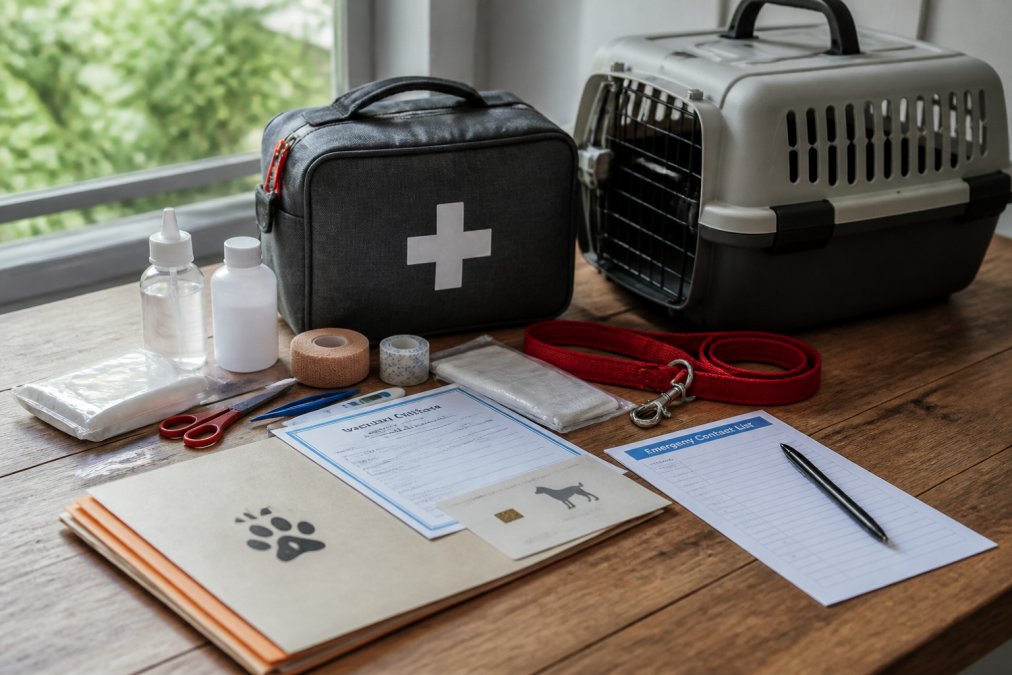
Create an emergency kit now, before you need it. Include copies of vaccination records, microchip information, recent photos of each pet (for lost pet situations), a list of medications and dosages, your vet's contact information, and 24-hour emergency vet clinic locations near you. Keep this kit accessible, not buried in a closet.
Know where your nearest emergency vet clinic is located. Regular vet offices close at 5 or 6 PM. Emergency clinics are open nights, weekends, and holidays. A single emergency visit can cost $500-$2,000 depending on what's needed (avma.org). Many pet owners are shocked by these costs. This is where pet insurance becomes relevant.
Microchipping is non-negotiable. A microchip is a permanent ID that stays with your pet even if they lose their collar. If your pet is lost and found by a shelter, a microchip scan reunites you. Without a microchip, many pets end up in shelters with no way to contact their owners.
Keep your pet's microchip registration current. A microchip is useless if the database has your old phone number. Update your information if you move or change contact details.
Mental Stimulation, Exercise, and Behavioral Guidance
Physical exercise is obvious. Dogs need daily walks. Cats need playtime. But mental stimulation is equally important and often overlooked. A bored pet develops behavioral problems, destructive chewing, excessive barking, aggression, or inappropriate elimination.
Mental stimulation means puzzle toys, training sessions, scent games, and varied environments. Rotate toys so they stay interesting. Teach new commands. Hide treats for your pet to find. Change your walking routes. These activities tire the brain, which is often more effective than physical exercise alone.
Training is behavioral guidance. Teaching your pet to sit, stay, come, and drop creates a shared language between you and your pet. Training also prevents dangerous behaviors, a dog that comes reliably won't run into traffic; a cat that sits calmly won't knock things off counters.
The Professional Pet Grooming Kit serves dual purposes. Regular grooming is physical care, but the handling and attention also provide mental engagement and bonding time. Many pets actually enjoy grooming once they're used to it.

Exercise needs vary by breed, age, and individual temperament. A Border Collie needs 2+ hours of activity daily. A Bulldog might be happy with 30 minutes. Ask your vet what's appropriate for your pet. Overexercising a young dog damages developing joints. Underexercising any pet leads to obesity and behavioral problems.
Seasonal Safety and Senior Pet Care
Seasonal changes bring specific hazards. Summer heat causes heatstroke, a life-threatening emergency. Never leave pets in cars, even with windows cracked. Limit outdoor time during peak heat. Provide shade and fresh water constantly. Watch for signs of overheating: excessive panting, drooling, lethargy, or collapse.
Winter cold is equally serious. Pets can develop frostbite and hypothermia. Limit time outdoors in extreme cold. Protect paws from ice-melt chemicals by wiping them after outdoor time. Some pets need coats or booties for winter walks.
Spring and fall bring parasites and allergens. Ticks are particularly dangerous in spring and early summer. Check your pet daily for ticks, especially after outdoor time. Fleas thrive in warm months. Allergies peak in spring and fall, causing itching and ear infections.
Senior pets need modified care. Arthritis develops in older joints. Stairs become difficult. Hard floors cause slipping. Provide ramps, orthopedic beds, and non-slip surfaces. Senior pets often need more frequent bathroom breaks and may develop incontinence, this is normal aging, not a behavioral problem.
Pain management becomes important. Your vet can recommend medications, supplements, or physical therapy to keep senior pets comfortable. Many seniors thrive well into their later years with proper support.
Pet Insurance and Financial Planning for 2026
Pet healthcare costs are rising. A serious illness or injury can cost thousands. Pet insurance helps manage these costs, but understanding coverage is critical.
Pet insurance works differently than human health insurance. You pay the vet upfront, then submit a claim for reimbursement. Most policies cover accidents and illnesses but exclude pre-existing conditions. Deductibles, copays, and coverage limits vary widely.
Common coverage levels include accident-only (cheapest but limited), accident and illness (most popular), and comprehensive wellness plans. Some policies cover dental care, behavioral treatment, or alternative therapies. Others don't.
The cost-benefit calculation depends on your risk tolerance and financial situation. A young, healthy pet might never need insurance. A pet with a chronic condition benefits greatly. Middle-ground pets are a judgment call. Get quotes from multiple providers to compare coverage and cost.
Beyond insurance, build a pet emergency fund. Even with insurance, you're responsible for upfront costs. Having $1,000-$2,000 available means you can act immediately in an emergency without financial stress.
Pet care in 2026 is more informed and accessible than ever. The combination of preventive care, proper nutrition, mental stimulation, and financial planning creates the best possible outcome for your pet's long-term health and happiness. At Smitty's Pet Store, we've assembled a curated selection of products, from automatic feeders to grooming kits to dental care tools, specifically designed to make these essential pet care practices simple and sustainable. Start with one habit, add another, and build a routine that works for your life. Your pet will thrive for years to come.
Frequently Asked Questions
Q: What are the top pet health trends to watch in 2026?
A: Pet wellness is shifting toward preventive care, personalized nutrition, and mental health support. Telehealth veterinary consultations are expanding, allowing owners to get guidance without office visits. Pet insurance adoption continues to grow as owners recognize the financial protection for unexpected health issues. Additionally, sustainable and eco-friendly pet products are becoming mainstream as owners seek environmentally responsible options. Microchipping and health monitoring technology help track pet wellness in real time.
Q: How can I build a consistent daily pet care routine habit?
A: Start by scheduling specific times for feeding, exercise, and grooming. Use an automatic pet feeder to maintain consistent meal times, even when you're busy. Set phone reminders for medication, dental care, and play sessions. Track these habits in a calendar or app for the first month to build consistency. Pair pet care tasks with your own routine (morning walk after coffee, grooming after dinner). The key is repetition, most habits solidify within 30 days of consistent practice.
Q: What vaccinations should my pet receive in 2026?
A: Core vaccinations protect against diseases that affect all pets and are recommended by veterinarians. For dogs, these include rabies, distemper, and parvovirus. For cats, core vaccines include rabies, feline distemper, and feline calicivirus. Lifestyle-based vaccines depend on your pet's exposure risk. Dogs in areas with Lyme disease exposure may need Lyme vaccination; cats with outdoor access may need feline leukemia vaccine. Your veterinarian will recommend the right schedule based on your pet's age, health, and lifestyle during your annual checkup.
Q: How do I prepare my pet for emergency situations?
A: Create an emergency preparedness kit with first aid supplies, current medical records, vaccination history, and microchip information. Keep a carrier accessible and ensure your pet's ID tag and microchip are current. Store copies of photos and medical records in a waterproof container. Know the location of 24-hour emergency veterinary clinics in your area. During hurricane or flood season, prepare a go-bag with food, water, medications, and comfort items. Practice carrier training and emergency drills to reduce stress if evacuation becomes necessary.
Q: What role does pet insurance play in 2026 pet care planning?
A: Pet insurance helps manage unexpected veterinary costs, protecting your budget from emergency expenses that can exceed $5,000. Plans vary widely in coverage, deductibles, and reimbursement rates. Some policies focus on accident and illness coverage, while others include wellness and preventive care. Enrolling early (when your pet is young and healthy) typically results in lower premiums and fewer exclusions. Compare plans based on your pet's age, breed, and health status. This financial planning ensures you can afford quality care without difficult financial decisions during health crises.
Q: What does preventive care include for essential pet health?
A: Preventive care includes annual wellness checkups, vaccinations, parasite prevention, and dental hygiene. During checkups, your veterinarian assesses body condition score, checks for early signs of disease, and updates vaccination records. Monthly flea, tick, and heartworm prevention protects against parasites. Regular dental care prevents tartar buildup and gum disease, which can lead to serious health issues. Senior pets benefit from twice-yearly checkups and bloodwork to catch age-related conditions early. These routine habits catch problems before they become expensive emergencies.
Q: How important is mental stimulation for pet health and behavior?
A: Mental stimulation is critical for preventing anxiety, destructive behavior, and cognitive decline, especially in younger and senior pets. Enrichment activities like puzzle toys, training sessions, and interactive play engage your pet's brain and reduce stress. Dogs need daily physical activity and mental challenges; cats benefit from climbing structures and hunting-style play. Behavioral guidance through training builds confidence and strengthens your bond. Pets with consistent mental stimulation show better overall health outcomes and fewer behavioral problems. Incorporate 20-30 minutes of interactive play or training daily into your pet care routine.
This article was written using GrandRanker