

Stress-Free Grooming Tips for Dogs: A Step-by-Step Guide

Table of Contents
- Why Grooming Causes Stress in Dogs
- Signs of Dog Anxiety During Grooming
- Build a Grooming Routine Your Dog Trusts
- Dog Grooming Desensitization Techniques That Work
- How to Trim Dog Nails Without Stress
- Create a Calm Grooming Space and Use the Right Tools
- Positive Reinforcement: Reward Your Dog Throughout Grooming
- Conclusion
Last Updated: August 24, 2026
Why Grooming Causes Stress in Dogs
Dogs experience grooming stress for several interconnected reasons. Many dogs haven't been exposed to the handling, sounds, and sensations that come with grooming, making the experience feel overwhelming and unpredictable.
The grooming environment itself can trigger anxiety. Unfamiliar spaces, new people, loud clippers, running water, and the sensation of being restrained create a perfect storm of stressors. For dogs with trauma or past negative grooming experiences, these triggers become even more potent. Some dogs also experience sensory overload from the combination of sounds, vibrations, and touch happening simultaneously.
Additionally, dogs pick up on handler tension. If you're anxious about grooming your dog, your dog senses that energy and mirrors it back. This creates a feedback loop where both owner and pet become increasingly stressed. The key insight here is that stress-free grooming tips for dogs must address the dog's experience, the environment, and the handler's mindset all at once.
Signs of Dog Anxiety During Grooming
Recognizing anxiety signals is the first step toward helping your dog feel calmer during grooming. Physical signs include trembling, panting excessively, drooling, or attempts to escape or hide (the NIH). Your dog might freeze in place, which some owners mistake for cooperation when it's actually a fear response.
Behavioral cues are equally important. Lip licking, yawning, turning away, tail tucking, and ears pinned back all indicate discomfort. Some dogs become aggressive during grooming, snapping or growling not out of meanness but out of fear. Others become completely shut down and unresponsive.
Vocalization matters too. Whining, whimpering, or barking during grooming are clear distress signals. Even a dog that goes silent can be deeply anxious, silence doesn't mean acceptance. Watch for changes in behavior after grooming sessions. If your dog hides, refuses food, or shows behavioral changes for hours afterward, the grooming experience was stressful.
Understanding these signals helps you intervene early. The goal isn't to push through your dog's anxiety but to recognize it and adjust your approach. This is where stress-free grooming tips for dogs become essential, they're built on reading and responding to what your dog is actually communicating.
Build a Grooming Routine Your Dog Trusts
Routine familiarization is foundational. Dogs thrive on predictability, and grooming becomes less threatening when it follows a consistent pattern. Start by establishing a regular grooming schedule, the same day and time each week, if possible. This predictability alone reduces anxiety significantly.
Begin with short, low-pressure sessions. Your first goal isn't to complete a full groom but to help your dog become comfortable with the idea of grooming. Spend five minutes handling your dog's paws, ears, and face without any tools. Let your dog get used to you touching sensitive areas in a calm, rewarding context.
Introduce grooming tools gradually. Let your dog see, sniff, and investigate brushes, combs, and clippers before you use them. Turn on clippers without using them on your dog so they hear the sound in a neutral setting. This desensitization process takes time, but it's worth every minute.
Create positive associations by pairing grooming prep with treats and praise. Every time you touch your dog's paws or bring out grooming tools, follow it with something your dog loves. Over weeks and months, your dog learns that grooming signals good things are coming.
Dog Grooming Desensitization Techniques That Work
Desensitization is the process of gradually exposing your dog to grooming stimuli in controlled, non-threatening ways until the response becomes neutral or positive. Counter-conditioning pairs these stimuli with rewards, creating new positive associations.
Start with the least threatening stimuli. If your dog is terrified of nail trimming, begin by simply holding the nail clippers near your dog without using them. Reward calm behavior. Next, touch the clippers to your dog's paw without cutting. Reward again. Over multiple sessions, move closer to the actual nail trimming process.
For dogs anxious about bathing, begin by letting them stand in an empty tub with treats and praise. Next, introduce water sounds without water touching your dog. Then, wet just their paws. Gradually work toward a full bath over weeks or months. This slow progression prevents the traumatic spike in anxiety that causes lasting fear.
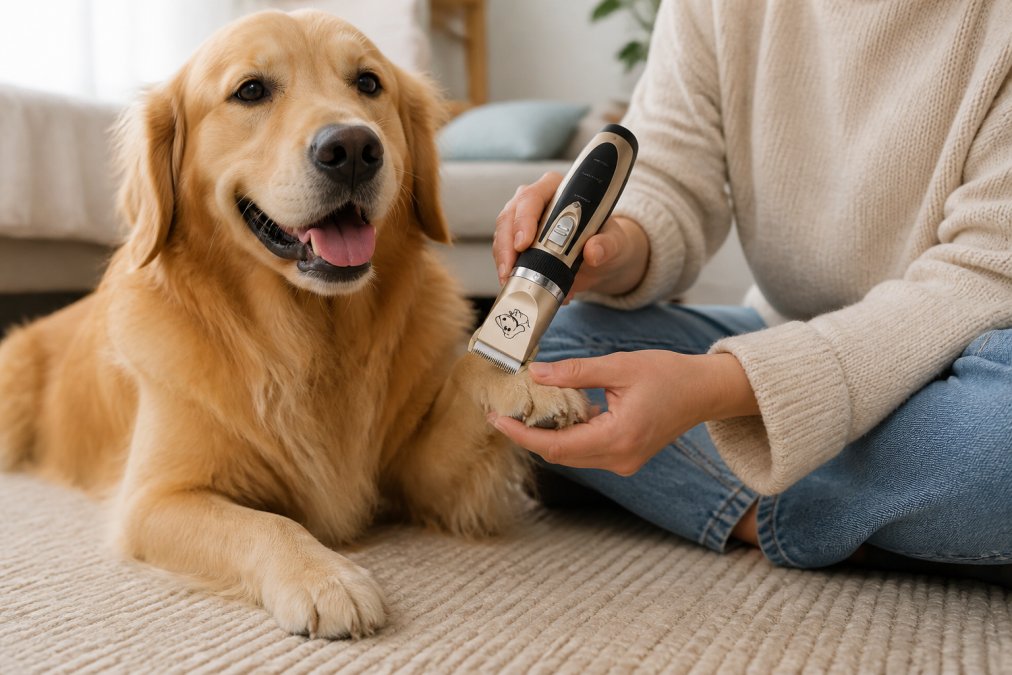
Use high-value rewards during desensitization. These are treats or activities your dog loves more than anything else, not everyday kibble. Reserve these special rewards exclusively for grooming practice so they remain high-value. Some dogs respond better to play or praise than food; adjust accordingly.
Patience is non-negotiable. Desensitization can take weeks or months depending on your dog's baseline anxiety level and past experiences (peer-reviewed research). Rushing the process teaches your dog that anxiety is justified because scary things happen anyway. Moving slowly actually gets you to your goal faster because your dog learns grooming is safe.
How to Trim Dog Nails Without Stress
Nail trimming ranks among the most anxiety-inducing grooming tasks for dogs. The sound and vibration of clippers, combined with the vulnerability of having paws handled, creates significant stress for many dogs.
Begin by familiarizing your dog with the nail trimmer itself. Let them see it, sniff it, and investigate it during calm moments unrelated to actual trimming. Some dogs respond better to specific tools, so you might try both traditional clippers and grinders to see which causes less anxiety. The Professional Pet Grooming Kit from Smitty's Pet Store includes multiple tool options, allowing you to find the approach that works best for your individual dog.

Practice handling your dog's paws daily, separate from trimming. Gently hold each paw, massage it, and reward your dog for allowing the touch. This normalization makes the actual trimming session feel like a natural extension of something your dog already tolerates.
When you're ready to trim, keep sessions short. Trim one or two nails, then stop and reward heavily. You don't need to complete all nails in one session. Over multiple short sessions, your dog learns that nail trimming doesn't signal danger.
Use positive reinforcement aggressively. Reward before, during, and after each nail trim. Some owners find that having a helper, someone to offer treats and praise while you trim, significantly reduces their dog's anxiety. The distraction and reward combination can be powerful.
Consider alternatives if traditional trimming remains stressful. Grinders create a different sensation and sound than clippers; some dogs tolerate them better. Filing nails manually takes longer but produces no sound. Exploring these options shows your dog that you're responsive to their stress signals, which builds trust over time.
Create a Calm Grooming Space and Use the Right Tools
Environment shapes your dog's emotional state during grooming. A calm grooming space should be quiet, well-lit, and free from distractions. Avoid grooming your dog in high-traffic areas or when other pets are present. Many dogs groom better in a dedicated, familiar space like a bathroom or laundry room.
Temperature matters. A too-cold or too-hot space increases stress. Ensure your grooming area is comfortable for your dog. Some owners find that soft music or white noise helps mask external sounds that might startle their dog during grooming.
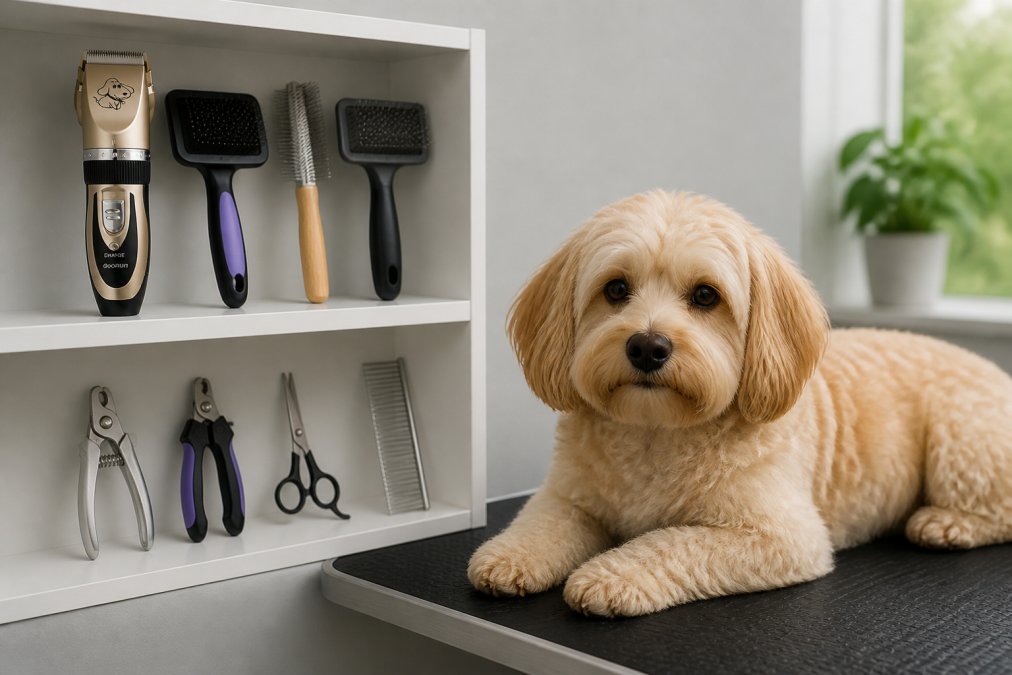
Invest in quality grooming tools. Cheap, dull tools pull hair and cause discomfort, which increases anxiety. The Pet Grooming Brush Tool from Smitty's Pet Store ($30.82) uses vacuum-assisted suction to remove loose hair without pulling, making the experience gentler and less stressful for your dog. Sharp, well-maintained tools make grooming faster and more comfortable.

Ensure your grooming surface is non-slip. A dog that feels unstable during grooming experiences additional stress. Use a grooming table with a non-slip mat or groom your dog on a towel-covered surface where they can maintain their footing.
Preparation prevents panic. Have all your tools ready before you bring your dog into the grooming space. Scrambling to find a brush or clipper mid-session breaks your routine and increases anxiety. Lay out everything you need in advance. This preparation also signals to your dog that grooming is a structured, predictable activity.
Consider sensory-friendly equipment. Some dogs respond better to cordless clippers that produce less vibration. The Professional Pet Grooming Kit from Smitty's Pet Store ($39.40) features a quiet design and cordless operation, reducing two major anxiety triggers. Experimenting with different equipment shows your dog that their comfort matters.
Positive Reinforcement: Reward Your Dog Throughout Grooming
Positive reinforcement is the most effective tool for building your dog's confidence during grooming. Every calm behavior, every moment of tolerance, every instance of cooperation deserves reward. This isn't bribery, it's teaching your dog that grooming leads to good outcomes.
Establish a reward system before grooming begins. Decide what your dog loves most: specific treats, play, praise, or a combination. High-value rewards work best. Reserve these rewards exclusively for grooming so they remain special and motivating.
Reward frequently and immediately. The faster you reward after your dog shows calm behavior, the stronger the association. If your dog sits calmly while you brush their back, reward within one second. This timing creates a clear cause-and-effect relationship in your dog's mind.
Break grooming into smaller reward intervals. Rather than grooming for ten minutes and rewarding at the end, groom for two minutes, reward, groom for two minutes, reward. This frequent reinforcement keeps your dog engaged and motivated throughout the session.
Celebrate small wins. If your dog previously panicked during nail trimming and today only trembled slightly, that's progress worth celebrating. Reward that improvement heavily. Over time, these small improvements compound into a dog that tolerates grooming calmly.
Watch for stress signals and pause before they escalate. If you notice early signs of anxiety, stop grooming, reward calm behavior, and take a break. Pushing through anxiety teaches your dog that their signals don't matter and reinforces the fear. Respecting their stress signals builds trust and makes future sessions easier.
Some dogs benefit from post-grooming recovery time. After a grooming session, allow your dog to decompress in a quiet space. Avoid demanding activities or additional handling immediately after grooming. This recovery period helps your dog process the experience and reduces the likelihood of post-grooming anxiety.
Stress-free grooming tips for dogs transform what many pet parents dread into a manageable, even positive experience. The process requires patience, consistency, and a genuine commitment to understanding your dog's anxiety signals. Start with the tools and environment that set your dog up for success, quality brushes and clippers from Smitty's Pet Store reduce physical discomfort that amplifies anxiety. Then layer in desensitization, positive reinforcement, and routine familiarization. Over weeks and months, your dog learns that grooming is predictable, manageable, and often rewarding. This shift from fear to calm cooperation is achievable for nearly every dog when you prioritize their emotional experience alongside their physical grooming needs.
| Grooming Challenge | Stress-Free Approach | Expected Timeline |
|---|---|---|
| Nail trimming anxiety | Gradual desensitization with high-value rewards | 4-8 weeks |
| General handling fear | Daily paw and ear touching practice | 2-4 weeks |
| Clipper/groomer anxiety | Introduce tools separately before use | 3-6 weeks |
| Bath time resistance | Slow water introduction with treats | 4-8 weeks |
| Post-grooming stress | Quiet recovery time and routine consistency | Improves immediately |
Many pet parents find that a combination of the right tools, like the Pet Grooming Tool from Smitty's Pet Store ($25.34), plus consistent desensitization produces positive results. Starting young or starting now with patience yields lasting benefits.

For dogs with severe anxiety or trauma histories, consulting a veterinary behaviorist may be necessary. Some dogs benefit from calming pheromone products or, in extreme cases, temporary sedation during grooming while you work on long-term desensitization. The International Association of Canine Professionals maintains a directory of certified trainers who specialize in anxiety-related behaviors, including grooming stress.
The investment you make in stress-free grooming tips for dogs pays dividends beyond just easier home grooming sessions. Dogs that learn to tolerate handling calmly become better patients at veterinary visits, easier to manage during health emergencies, and more confident overall. Your patience and consistency teach your dog that you're a trustworthy leader who respects their emotional needs. That foundation of trust extends far beyond the grooming table.
Frequently Asked Questions
Q: What are the most common signs of dog anxiety during grooming?
A: Dogs show anxiety through trembling, excessive panting, whining, pulling away, or trying to escape the grooming area. Some dogs freeze or become very still, while others may snap or growl. Behavioral cues like lip licking, yawning, or pinned-back ears indicate stress. Recognizing these signals early lets you pause and use calming techniques before anxiety escalates. Keep grooming sessions short if your dog shows multiple stress signals.
Q: How do dog grooming desensitization techniques help reduce anxiety?
A: Desensitization works by gradually exposing your dog to grooming tools and touch in low-pressure situations. Start by letting your dog see and sniff the brush or clippers while relaxed, then touch them gently to their coat without using them. Over weeks, pair the tools with treats and praise. Counter-conditioning teaches your dog that grooming tools predict good things, not scary experiences. This slow, reward-based approach builds confidence and reduces fear responses.
Q: What's the best way to trim dog nails without stress?
A: Start by desensitizing your dog to having their paws handled during calm moments, away from nail-trimming sessions. Use high-value treats to create positive associations with paw touch. When trimming, trim only the clear or light part of the nail to avoid the quick. Keep sessions under five minutes and stop before your dog becomes anxious. Many owners find a Professional Pet Grooming Kit with quiet operation easier for dogs than traditional clippers. If your dog remains extremely anxious, ask your veterinarian about professional grooming or sedation options.
Q: Can I use calming aids before grooming my dog?
A: Some dogs benefit from calming pheromones, anxiety wraps, or relaxing music played during grooming. However, these work best alongside desensitization and positive reinforcement, not as replacements. If your dog shows severe anxiety that doesn't improve with training, discuss options with your veterinarian, including whether a mild sedative is appropriate for grooming sessions. Behavioral support from a certified veterinary behaviorist can also help address underlying anxiety triggers.
This article was written using GrandRanker