

Pet Store Return Policy Expectations 2026

Table of Contents
- What to Expect from Pet Store Return Policies
- Return Window Duration and Transaction Dates
- Pet Store Return Policy Without Receipt
- Returning Opened Dog Food and Perishable Items
- Online Pet Store Return Process
- Refund Methods and Merchandise Credit Options
- Exclusions, Fees, and Special Circumstances
- Conclusion
Last Updated: August 25, 2026
What to Expect from Pet Store Return Policies
Understanding a pet store's return policy is one of the first things you should clarify before making a purchase. At Smitty's Pet Store, we believe transparency about our pet store return policy helps pet parents feel confident in their buying decisions and reduces the stress that comes with trying a new product for your pet.
Return policies across the pet retail industry vary significantly. Some stores offer generous windows and flexible conditions, while others have strict limitations tied to the condition of merchandise or the type of product. The differences matter because returning opened dog food, for example, might be handled completely differently from returning a sealed collar or harness. What's standard at one retailer may not be standard at another.

Most major pet retailers follow a core set of expectations: a defined return window (often 30 to 60 days), a requirement for original receipt or proof of purchase, and expectations that merchandise remain in resalable condition. However, exclusions exist for live animals, perishable items, and in some cases, opened consumables. Restocking fees, shipping deductions, and refund processing times add another layer of complexity that deserves attention before you buy.
The goal of this guide is to walk you through what you're likely to encounter when returning pet supplies, explain the variations in policies, and help you ask the right questions before making a purchase. Whether you're buying online or in-store, understanding these expectations upfront saves time and frustration later.
Return Window Duration and Transaction Dates
The return window is the timeframe during which you can return merchandise after purchase. Most pet retailers offer 30 to 60 days from the transaction date, though some extend to 90 days for specific product categories (the FTC).
The transaction date matters. For in-store purchases, it's typically the date on your receipt. For online orders, it's usually the order date, not the delivery date. Some retailers count the return window from when the item arrives at your door, which can extend your window if shipping takes several days. Always verify this detail with the specific retailer, it's one of the most common sources of confusion.
Seasonal considerations apply too. During holiday periods, many retailers extend their return windows to accommodate gift purchases. If you're buying pet supplies as gifts, ask whether an extended window applies. This becomes especially relevant for items like premium grooming tools or specialty accessories that might be purchased in advance.
Once your return window closes, most retailers will not accept returns regardless of the condition of the merchandise. Some make exceptions for defective items, but this requires proof that the product failed through no fault of the customer. Keep your receipt and note the purchase date somewhere accessible, you'll need it.
Pet Store Return Policy Without Receipt
Returning merchandise without a receipt is possible at most pet retailers, but it's significantly more complicated than returning with one. Without proof of purchase, the store cannot verify the transaction date, the original price, or the payment method used.
Many retailers will accept returns without a receipt if you can provide alternative proof of purchase. A credit card or bank statement showing a charge to that store on a specific date often suffices. Your email confirmation from an online order works too. Some stores will look up your purchase in their system if you used a loyalty card or account at the time of purchase.
However, without documented proof, expect limitations. The refund amount may be calculated at the current selling price rather than what you originally paid. If the item is on sale, you might receive the sale price as your refund. Some retailers offer merchandise credit instead of a refund when no receipt is available, this is a common compromise that protects the retailer from fraud while still accommodating the customer.
For online purchases, your email confirmation is your receipt. Save it in a dedicated folder. For in-store purchases, take a photo of your receipt on your phone or keep physical receipts in an envelope. This small step eliminates the biggest obstacle to hassle-free returns.
A few retailers maintain stricter policies and will not accept returns without a receipt under any circumstances. These are the exceptions, not the rule, but they do exist. Always ask before assuming you can return without proof of purchase.
Returning Opened Dog Food and Perishable Items
This is where pet store return policies diverge most sharply. Opened dog food, treats, supplements, and other consumables present unique challenges because they cannot be resold once opened. Food safety and contamination risk make this a liability issue, not just a business preference.
Most pet retailers will not accept returns on opened dog food or perishable items. The logic is straightforward: once a bag is opened, the product cannot be verified as safe or uncontaminated, and it cannot be returned to inventory for resale. This applies whether the food was defective, your pet didn't like it, or you simply changed your mind.
However, defective merchandise is often an exception. If you opened a bag and discovered mold, an off smell, or visible contamination, many retailers will accept a return even though the package was opened. You'll typically need to bring the damaged product and your receipt. Some stores photograph the defect rather than taking the item back. Others require you to return the entire bag.
Frozen products occupy a gray area. Some retailers treat frozen pet food differently from dry kibble, offering more flexibility because freezing extends shelf life. Others apply the same "no opened returns" rule to all perishables. Ask about the specific product category before assuming a return will be accepted.
The best approach is to start with small quantities of new food. Buy a smaller bag first, confirm your pet tolerates it well, and then purchase larger quantities. This minimizes waste and eliminates the return question entirely.
Online Pet Store Return Process
Returning items purchased online involves extra steps compared to in-store returns. You need to initiate the return through the retailer's website or customer service, arrange shipping, and wait for the refund to process. Understanding these steps helps you navigate the system efficiently.
Most online retailers require you to request a return authorization before sending merchandise back. Log into your account, find your order, and select the return option. The system will ask which items you're returning and why. Some retailers automatically approve returns within the policy window; others require manual approval that may take 24 to 48 hours.
Once approved, you'll receive return shipping instructions. Some retailers provide a prepaid shipping label via email or print it from their website. Others require you to pay for return shipping and reimburse you after the item arrives. A few offer free returns on all orders; others charge for returns unless the item is defective or damaged upon arrival.
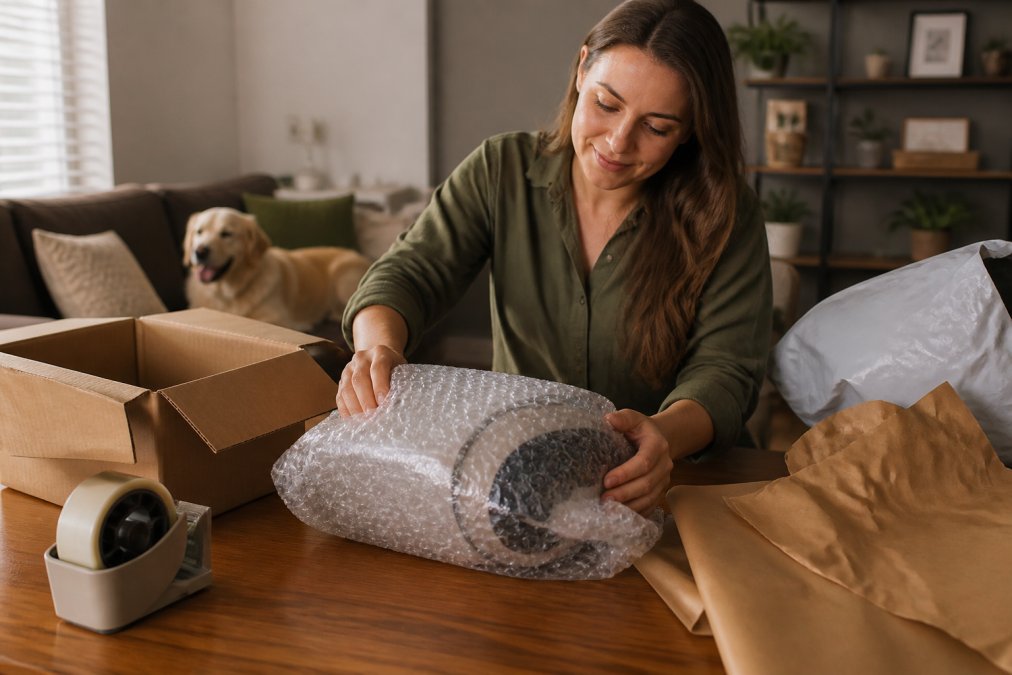
Pack the item securely and include your return authorization number. Use the shipping method specified by the retailer, don't assume any carrier will work. Track your package so you know when it arrives at the warehouse. Refunds typically process within 5 to 10 business days after the retailer receives and inspects the returned item (the FTC).
Some retailers inspect returns before approving the refund. They verify that the item matches the order, that it's in resalable condition, and that all original packaging is included. If the inspection reveals damage you caused or missing components, the refund may be reduced or denied. This is why careful packing matters.
Keep your return confirmation email and tracking number until the refund appears in your account. If there's a dispute about whether the item was received, you'll need this documentation.
Refund Methods and Merchandise Credit Options
How you receive your refund depends on your original payment method and the retailer's policies. Most stores refund to the original payment method, if you paid with a credit card, the credit goes back to that card. If you paid with a debit card, the funds return to your bank account. This typically takes 3 to 10 business days after the retailer processes the return, depending on your financial institution.
Some retailers offer merchandise credit as an alternative to refunds. Store credit often comes with a higher value than a refund would provide. For example, you might receive a $50 merchandise credit for a $40 return. The trade-off is that you must spend the credit at that retailer, you can't take it elsewhere or convert it to cash.
Merchandise credit makes sense if you're a regular customer and plan to buy from that store again. For one-time purchases or if you're uncertain about future purchases, a refund to your original payment method is usually the better choice.
Gift cards and store credit cards sometimes have different return policies. If you used a gift card to purchase, your refund might go back to a store credit rather than the original payment method. Check the specific terms before assuming you'll get cash back.
Subscription services add another layer. If you're returning items from a subscription order, some retailers apply the refund as a credit toward your next subscription box rather than refunding it outright. Understand these terms before signing up.
Exclusions, Fees, and Special Circumstances
Pet store return policies include exclusions and special conditions that don't apply to general merchandise. Live animals are universally non-returnable. Whether you purchased a fish, bird, reptile, or small mammal, you cannot return it for a refund. Some retailers offer exchanges if an animal arrives deceased or visibly ill, but refunds are not an option.
Restocking fees apply at some retailers when you return opened or used merchandise. These fees typically range from 10 to 20 percent of the purchase price and are deducted from your refund (the FTC). A restocking fee on a $50 item might reduce your refund to $40 or $42.50. Not all retailers charge restocking fees, but many do for opened products.
Shipping fees and delivery charges present another consideration. If you paid for expedited shipping on an online order and then return the item, you typically lose the shipping cost. Some retailers refund shipping fees only if the item was defective or damaged. Others never refund shipping regardless of the reason for return.
Subscription boxes and bulk purchases sometimes have different return terms than single items. If you bought a 12-month supply of something and want to return it, the retailer might offer only a partial refund or refuse the return entirely because of the volume. Always check the terms for bulk purchases before committing.
Damaged or defective merchandise is usually handled outside the standard return window. If an item arrived broken or failed through no fault of yours, most retailers will accept a return or replacement even after the normal window has closed. You'll need to document the damage with photos and contact customer service directly.
Items purchased on clearance or final sale are often non-returnable. These items are marked as such at purchase, and you accept the non-returnable status when you buy them. Read product labels and sale tags carefully before purchasing clearance items.
Conclusion
Pet store return policies exist to protect both retailers and customers, but they're not all the same. Understanding what to expect, from return windows and proof of purchase requirements to exclusions for live animals and opened consumables, helps you make confident purchasing decisions and avoid surprises if you need to return something.
At Smitty's Pet Store, we're committed to making pet care simple and stress-free. Our curated selection of trusted pet supplies is chosen with care, and we stand behind the quality of what we offer. Before purchasing from any retailer, take a moment to review their specific return policy, ask questions about anything unclear, and keep your receipt. These small steps ensure that if something doesn't work for your pet, you know exactly what your options are. Happy pet parenting starts with shopping smart, and that means understanding the terms before you buy.
Frequently Asked Questions
Can I return dog food if I opened it?
Most pet stores have different policies for opened versus sealed merchandise. Many retailers accept returns of opened dog food if it's within the return window and in resalable condition, though some restrict returns on opened perishable items entirely. Check with your specific retailer, policies vary significantly. If the product is defective or caused an issue with your pet, document the problem and contact customer service, as many stores make exceptions for damaged or problematic merchandise regardless of whether it's been opened.
Do I need an original receipt to return pet supplies?
Most pet stores accept returns with proof of purchase, which can be an original receipt or a transaction record from your account if you paid with a credit card or membership card. Without a receipt, stores typically offer store credit or merchandise credit instead of a full refund to your original payment method. Some retailers require a photo ID for no-receipt returns. Always ask about alternative proof of purchase options, many stores can look up your transaction by card number or email address if you don't have the physical receipt.
What is the standard return window for pet store purchases?
Most major pet retailers offer return windows between 30 and 60 days from the transaction date. The exact return window duration depends on the store and whether the item is sealed or opened. Some stores extend the window for defective merchandise or damaged goods. Always check your receipt or the retailer's website for the specific return window, as policies can vary by product category and whether you're returning in-store or through an online order.
How do online pet store returns differ from in-store returns?
Online returns typically require initiating a return authorization and arranging reverse logistics to ship the item back, while in-store returns are immediate. For online pet store return processes, you'll usually need to print a shipping label or arrange pickup. Refund processing time is longer for online returns, typically 5 to 10 business days after the store receives your package. In-store returns are processed immediately, and you can choose between a refund to your original payment method or store credit on the spot. Shipping fees may be deducted from your refund for online returns depending on the reason.
This article was written using GrandRanker