

How to Verify Safe Pet Product Ingredients

Table of Contents
- Understanding Pet Product Labels and Ingredient Order
- Identifying Harmful Ingredients in Pet Grooming Products
- Using AAFCO Pet Food Guidelines for Verification
- Third-Party Certifications and Safety Testing
- Pet Product Safety Apps and Digital Tools
-
Step-by-Step Verification Process for Any Pet Product
- Step 1: Read the ingredient list in descending order
- Step 2: Check for third-party certifications and safety marks
- Step 3: Verify AAFCO compliance and nutrient profile claims
- Step 4: Use a pet product safety app to cross-check ingredients
- Step 5: Research the manufacturer's sourcing transparency
- Step 6: Check recent recall history and quality assurance records
- Common Mistakes to Avoid When Verifying Pet Product Safety
- Conclusion
Last Updated: August 11, 2026
Understanding Pet Product Labels and Ingredient Order
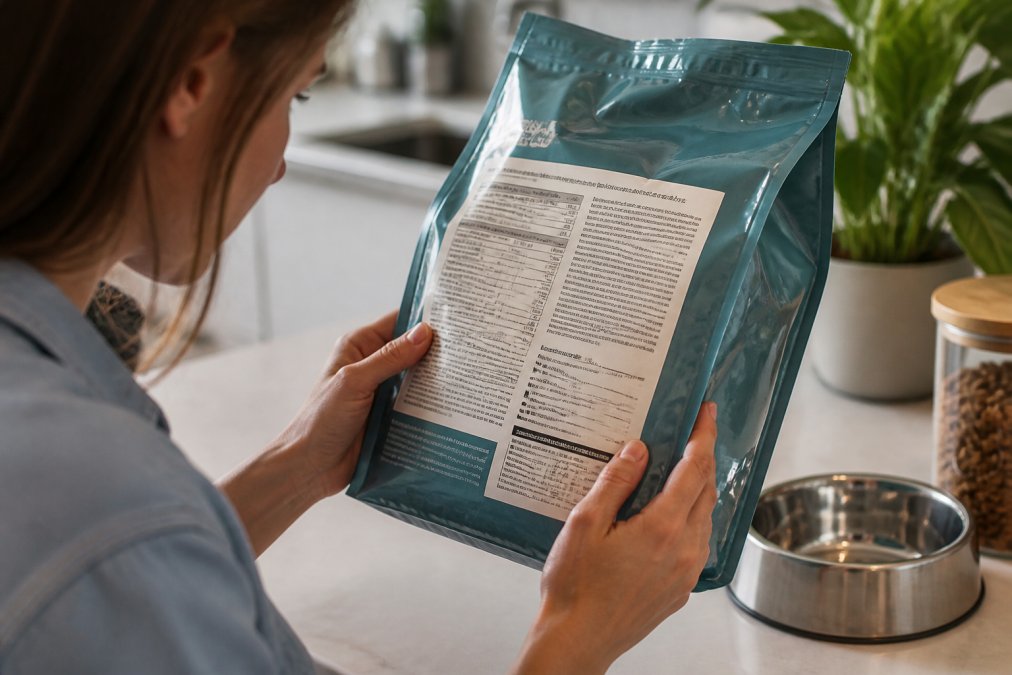
Ingredients are listed by weight in descending order, meaning the first few items make up the bulk of what your pet consumes. At Smitty's Pet Store, we help pet parents decode these labels to make confident purchasing decisions. If you see a protein source listed first, the manufacturer prioritizes nutrition. If you see water, fillers, or by-products in the top three positions, the product is mostly filler.
Why ingredient order matters
The first five ingredients determine the product's nutritional foundation. A food listing "chicken" first contains more chicken (by weight) than everything else combined. Raw chicken contains water, which adds weight; "chicken meal" has water removed, making it more concentrated. Some manufacturers list multiple grain sources separately (corn, corn meal, corn gluten meal) so no single grain dominates the top, even though grains collectively make up most of the product.
Decoding marketing buzzwords on packaging
"Natural," "premium," "gourmet," and "holistic" have no legal definition for pet food. A product can claim "natural" while containing synthetic vitamins and artificial preservatives. "Grain-free" doesn't automatically mean healthier, it often substitutes legumes or potatoes, which may or may not suit your pet. "Human-grade" carries no official certification in most cases and is largely a marketing statement. Look for actual certifications from recognized testing organizations instead.
Identifying Harmful Ingredients in Pet Grooming Products
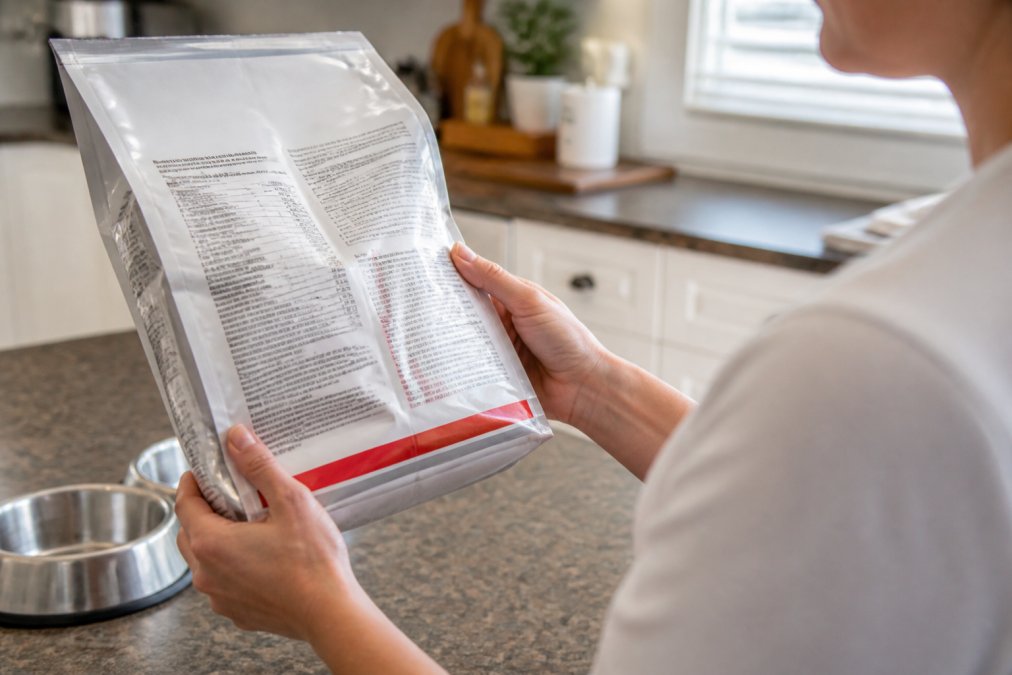
Certain additives appear regularly in pet grooming products despite links to skin irritation and allergic reactions. Recognizing these names on ingredient lists protects your pet.
Common toxic additives and preservatives
Parabens (methylparaben, propylparaben, butylparaben) prevent mold and bacterial growth but have been flagged for potential hormone disruption. They can accumulate in the body over time, especially in pets with sensitive skin.
Sulfates like sodium lauryl sulfate (SLS) and sodium laureth sulfate (SLES) are harsh cleaning agents that strip natural oils from skin and fur. Dogs and cats have more sensitive skin pH than humans, making sulfates particularly problematic.
Artificial dyes (FD&C Red No. 40, Yellow No. 5) serve no functional purpose and some pets develop sensitivities to them. Natural colorants like beet juice accomplish the same effect without risk.
Formaldehyde-releasing preservatives (DMDM hydantoin, imidazolidinyl urea) slowly release formaldehyde as products age. Formaldehyde is a known irritant and potential allergen.
Phthalates are plasticizers used to extend fragrance longevity, often hidden under "fragrance" without separate listing. They've been linked to reproductive and developmental concerns in animal studies.
Allergen identification and sensitivity risks
Common allergens include chicken, beef, soy, corn, and wheat. Scan the entire ingredient list, not just main ingredients, allergens hide in secondary ingredients and binding agents. Artificial flavoring agents can trigger sensitivities; onion and garlic compounds are toxic to dogs and cats in concentrated forms. Coconut oil, while natural, causes digestive upset in some pets. Wheat gluten, corn gluten, and soy lecithin are inexpensive fillers that trigger sensitivities in some animals.
Using AAFCO Pet Food Guidelines for Verification
The Association of American Feed Control Officials (AAFCO) sets nutritional standards for pet foods. Understanding AAFCO guidelines gives you a framework for evaluating whether a product provides complete nutrition.
What AAFCO standards mean for your pet
AAFCO establishes nutrient profiles specifying minimum and maximum levels of protein, fat, fiber, vitamins, and minerals for different life stages. A food labeled "AAFCO complete and balanced" meets basic nutritional adequacy standards. Different life stages have different requirements, puppy and kitten formulas require higher protein and fat for growth; senior formulas often include joint support and adjusted calories.
AAFCO distinguishes between foods tested through feeding trials and foods formulated to meet nutrient profiles. Feeding trials involve actual animals being monitored for health outcomes. Formulation-based compliance means the manufacturer calculated nutrients mathematically. Feeding trial compliance is stronger evidence of nutritional adequacy.
How to spot AAFCO compliance on labels
The AAFCO statement appears on packaging, typically reading: "This product is formulated to meet AAFCO Cat Food Nutrient Profiles for adult maintenance" or "Animal feeding tests using AAFCO procedures substantiate that this product provides complete and balanced nutrition for adult dogs."
The word "formulated" versus "substantiated" matters. Formulated means calculated; substantiated means tested. Both are acceptable, but feeding trial data provides more confidence. The life stage statement is critical, a food labeled "adult maintenance" shouldn't be fed to puppies or pregnant dogs without veterinary approval.
Third-Party Certifications and Safety Testing
Third-party certifications provide independent verification that a product meets claimed standards. Unlike manufacturer claims, third-party testing involves external labs analyzing actual product samples.
Trusted certification marks to look for
The National Animal Supplement Council (NASC) Quality Seal indicates a supplement was manufactured in a facility meeting NASC standards for quality, purity, and ingredient verification. The US Pharmacopeia (USP) Verified Mark means a product has been tested for identity, potency, and purity by an independent laboratory. ConsumerLab.com seal indicates a product has been tested and verified to contain labeled ingredients in claimed amounts without harmful contaminants. Organic Certification (USDA or state programs) verifies ingredients were grown without synthetic pesticides, fertilizers, or GMO seeds.
Understanding contaminant testing and recall history
Contaminant testing checks for heavy metals, bacterial pathogens, pesticide residues, and mold toxins. Heavy metal testing is particularly important for fish-based ingredients and bone meal. The FDA maintains a public recall database for pet foods and treats. Checking a manufacturer's recall history takes five minutes and provides crucial context about their safety record.
Pet Product Safety Apps and Digital Tools
Digital tools and apps designed to evaluate pet product safety accelerate your verification process by aggregating ingredient information, safety data, and regulatory compliance details.
How to use ingredient checkers effectively
Ingredient checker apps allow you to scan a barcode or search a product name to get instant ingredient analysis, flagging potentially problematic ingredients based on known allergens and toxic substances. The most useful apps include ingredient sourcing information and certification status. Cross-reference findings from multiple apps before making decisions based on a single source.
Cross-referencing with regulatory databases
The FDA's pet food database allows you to search products by name, manufacturer, or ingredient and see whether a product has been subject to enforcement actions, recalls, or warning letters. The AAFCO website includes a searchable directory of pet foods and their compliance status. State agricultural departments maintain additional databases of registered pet food products with potentially more stringent testing than federal standards.
Step-by-Step Verification Process for Any Pet Product
A systematic approach takes 10-15 minutes per product and gives you confidence in your purchasing decisions.
Step 1: Read the ingredient list in descending order
Identify the first five ingredients, these represent the bulk of the product by weight. Check for ingredient splitting, where multiple forms of the same ingredient are listed separately to artificially lower their position. Scan the entire ingredient list for known allergens specific to your pet.
Step 2: Check for third-party certifications and safety marks
Look for certification logos on packaging: NASC Quality Seal, USP Verified Mark, ConsumerLab seal, or organic certification. If you don't see them on packaging, check the manufacturer's website. Document which certifications are present to compare products.
Step 3: Verify AAFCO compliance and nutrient profile claims
Find the AAFCO statement and confirm it matches your pet's life stage. Check whether it says "formulated" or "substantiated", substantiated means feeding trials were conducted, providing stronger evidence. Note nutrient profile percentages if listed to compare across products.
Step 4: Use a pet product safety app to cross-check ingredients
Search for the product by name or barcode in a reputable ingredient checker app. Review the app's ingredient analysis and any flags it raises. Cross-reference findings against your knowledge of your pet's sensitivities. Check whether the app provides sourcing information or contaminant testing data.
Step 5: Research the manufacturer's sourcing transparency
Visit the manufacturer's website and look for ingredient sourcing details, facility locations, and quality assurance processes. Look for statements about supplier verification and third-party audits. Check whether the manufacturer has published recalls or safety incidents.
Step 6: Check recent recall history and quality assurance records
Search the FDA's pet food recall database for the manufacturer and product name. Look for recalls in the past three years. Check the FDA's enforcement actions page for warning letters indicating significant compliance issues. Review the manufacturer's quality assurance statement about testing protocols and facility certifications.
Common Mistakes to Avoid When Verifying Pet Product Safety
Trusting marketing claims without label verification
The most common mistake is believing packaging language without checking the ingredient list. A product labeled "premium" or "natural" might contain low-quality ingredients. Price is another misleading signal, expensive products aren't automatically higher quality. Evaluate each product individually, not based on manufacturer reputation alone.
Overlooking storage and shelf-life safety concerns
Products can degrade or become contaminated during storage. Check manufacturing and expiration dates. Products stored in warm, humid environments degrade faster. Inspect packaging for signs of damage or leakage. Products with natural preservatives might have shorter shelf lives than those with synthetic preservatives.
Ignoring ingredient bioavailability and synthetic alternatives
Bioavailability refers to how well your pet's body can absorb and use nutrients. Natural ingredient sources generally have better bioavailability than synthetic alternatives. Synthetic vitamins are cheaper but less bioavailable. Amino acid profiles matter for protein quality, meat-based proteins are complete, while plant-based proteins are often incomplete.
Verifying safe pet product ingredients puts you in control of your pet's health decisions. At Smitty's Pet Store, we believe pet parents deserve straightforward guidance on reading labels. Use this step-by-step process: read the ingredient list, check for certifications, verify AAFCO compliance, cross-reference with safety apps, research the manufacturer, and review recall history. These six steps take minutes but provide confidence that your pet is receiving safe, quality products.
| Verification Step | What to Check | Why It Matters |
|---|---|---|
| Read ingredient list | First 5 ingredients, allergen scan | Determines nutritional foundation and identifies known allergens |
| Check certifications | NASC, USP, ConsumerLab, organic seals | Provides independent verification of safety and quality |
| Verify AAFCO compliance | Life stage match, formulated vs. substantiated | Confirms product meets nutritional standards for your pet's age |
| Use safety apps | Ingredient analysis, sourcing data, flags | Accelerates verification and identifies potential concerns |
| Research manufacturer | Sourcing transparency, facility info, audit records | Indicates quality control commitment and supply chain oversight |
| Check recall history | FDA database, warning letters, enforcement actions | Reveals past safety issues and regulatory compliance problems |
Frequently Asked Questions
What are red flag ingredients I should avoid in pet food?
Watch for by-products, fillers, and unnamed meat sources listed as 'meat meal' or 'animal by-products' without species identification. Avoid artificial preservatives like BHA, BHT, and ethoxyquin. Common allergens include corn, soy, and wheat. Check ingredient lists for synthetic colors and flavors. These lower-quality ingredients offer minimal nutritional value and can trigger digestive issues or allergies in sensitive pets.
Is there a pet product safety app like Yuka for checking ingredients?
Several pet product safety apps exist to help verify ingredients. While no single app dominates the pet market like Yuka does for human food, you can use general ingredient checkers and cross-reference against AAFCO guidelines and FDA databases. Many apps allow you to scan barcodes and review ingredient safety scores. Always verify app recommendations against official regulatory sources and your veterinarian's guidance for the most accurate assessment.
How do I verify if pet food ingredients meet AAFCO standards?
Look for an AAFCO statement on the package indicating the product is 'complete and balanced' for your pet's life stage. Check the ingredient list for named meat sources (chicken, beef, fish) rather than vague terms. Verify the nutrient profile meets AAFCO guidelines for protein, fat, and essential vitamins. Review third-party testing results if available. AAFCO compliance ensures the product underwent pre-market approval and meets minimum nutritional standards for your pet's health.
What harmful ingredients should I look for in pet grooming products?
Avoid grooming products containing sulfates, parabens, and phthalates, which can irritate skin and cause allergic reactions. Watch for artificial fragrances and dyes that serve no functional purpose. Check labels for toxic preservatives and harsh detergents. Some products contain formaldehyde releasers used as preservatives. Always read the full ingredient list, not just marketing claims. When in doubt, choose products with transparent sourcing and third-party certifications to ensure safety for your pet's sensitive skin.
This article was written using GrandRanker