

How to Boost Your Pet's Immune System Naturally

Table of Contents
- Start With the Gut: How Gut Health and Pet Immunity Connect
- Feed a Balanced Diet That Supports Immune Function
- Best Natural Immune Supplements for Dogs and Cats
- Signs of a Weak Immune System in Pets You Should Not Ignore
- Daily Habits That Boost Pet Immune Health Naturally
- Age and Breed: Why Some Pets Need Extra Immune Support
- When to Call Your Veterinarian About Immune Health
- Frequently Asked Questions
Last Updated: September 16, 2026
Start With the Gut: How Gut Health and Pet Immunity Connect
To boost pet immune system naturally, start with the gut. Much of a pet's immune tissue lines the digestive tract, and the microbiome there helps decide which pathogens get stopped.
At Smitty's Pet Store, we hear weekly from pet parents feeding a good diet who still deal with digestive flare-ups. The gut and immune system rise and fall together.
Gut health and pet immunity are linked through the microbiome. When balanced, it supports the immune response, helps break down nutrients, and keeps harmful bacteria in check. When stress, diet changes, or antibiotics throw it off, immune function follows.
Probiotics help restore that balance, and fiber-rich foods feed the good bacteria already there. Cornell University College of Veterinary Medicine's pet health resources notes that the digestive tract plays a central role in overall animal health, which is why veterinarians ask about stool quality and appetite before almost anything else.
A common mistake is buying a probiotic once, using it for a week, and expecting permanent change. The microbiome responds to consistency, not one-off fixes.
Feed a Balanced Diet That Supports Immune Function
A balanced diet is the foundation of natural immune support, doing more than any single supplement. Protein supplies amino acids for antibodies and immune cells, fats carry fat-soluble vitamins (A, D, E, K) that regulate immune signaling, and antioxidants manage everyday oxidative stress.
Most commercial pet foods labeled "complete and balanced" meet baseline nutrient needs. That phrase is not marketing, it means the recipe meets a nutrient profile established by the Association of American Feed Control Officials (AAFCO), which sets minimum and maximum levels for dozens of nutrients. The FDA's guidance on pet food and nutrition explains what that label actually requires and why a food that meets it is the correct starting point, not the finish line.
The immune mechanisms behind each nutrient
- Protein, antibodies and the signaling molecules (cytokines) that coordinate an immune response are proteins. A diet too low in protein leaves the body short on raw material.
- Omega-3 fatty acids (EPA and DHA), shift the body toward a normal inflammatory response rather than an overactive one, which is why they appear in both immune and joint discussions.
- Zinc, involved in immune cell development and function and in skin barrier health, a pet's first physical defense against pathogens.
- Vitamin E and vitamin C, antioxidants that neutralize free radicals and protect cells from oxidative damage.
- Fiber and prebiotics, feed the gut bacteria that train and regulate a large share of the immune system.
What actually moves the needle
- Rotate protein sources occasionally, transitioning over 7 to 10 days to avoid digestive upset.
- Add pet-safe whole foods in small amounts: cooked carrots, plain canned pumpkin (not pie filling), blueberries, plain cooked eggs, unseasoned cooked salmon, 10% or less of daily calories.
- Keep treats under a tenth of daily calories. For a 30-pound dog eating about 700 calories a day, that is roughly 70 calories, two or three medium biscuits, not a handful.
- Feed on a consistent schedule. Two meals a day suits most adult dogs; puppies and small breeds often do better on three or four smaller meals.
- Match portion size to body condition, not the bag. Adjust based on whether you can feel the ribs under a thin fat layer.
Foods and habits that work against immunity
A complete diet can still be undermined by what surrounds it:
- High-fat table scraps and fried food drive inflammation and weight gain.
- Onions, garlic, grapes, raisins, xylitol, and chocolate are toxic to dogs; lilies, onions, and garlic are toxic to cats. Even small repeated exposures can suppress normal function.
- Free-feeding all day makes it impossible to notice a dropped appetite, one of the earliest signs of illness.
- Frequent abrupt diet changes disrupt the gut microbiome, where much of the immune system lives.
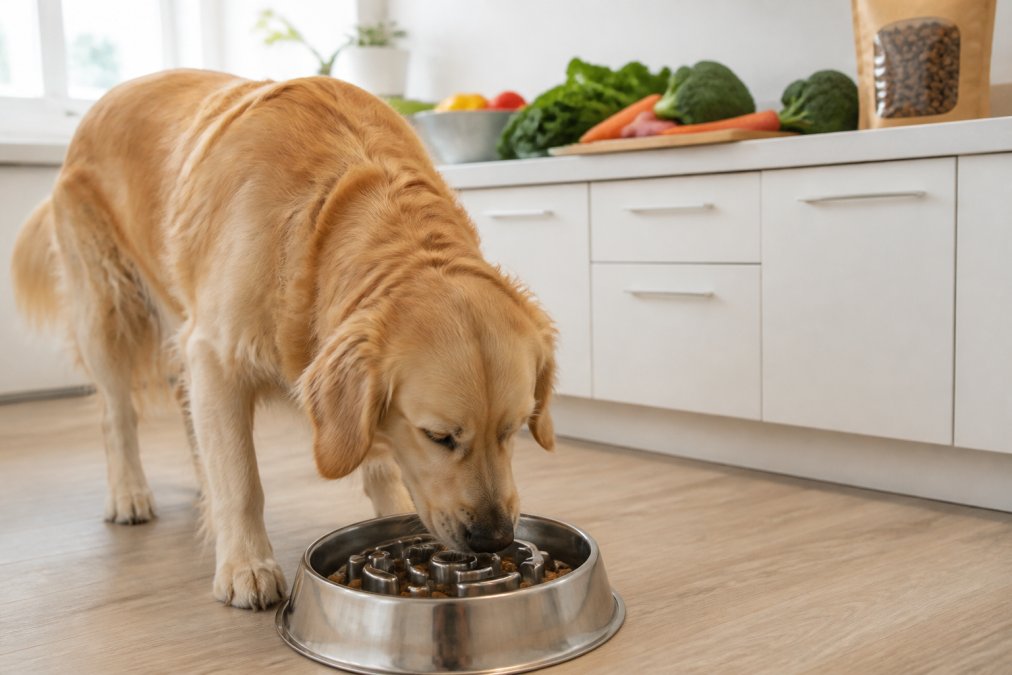
A slow-feed bowl helps more than people expect: eating too fast causes gulping, vomiting, and indigestion. The Slow Feed Pet Bowl slows eating and supports healthier digestion for dogs and cats.

Best Natural Immune Supplements for Dogs and Cats
The best natural immune supplements for dogs and cats fill a specific dietary gap, not the ones with the longest ingredient list. Omega-3s, vitamin C, vitamin E, zinc, and probiotics are most often linked to immune function and cellular health.
Vets recommend food first, supplements second, but a few categories earn their place:
- Omega-3 fatty acids support the immune response and help manage normal inflammation
- Probiotics support gut health and the microbiome
- Antioxidants such as vitamin C and vitamin E help protect cells from oxidative stress
- Zinc plays a role in immune function and skin health
- Multivitamins cover broad nutrient gaps when diet alone falls short
The Pet Multivitamin Health Supplement is a straightforward option for pet parents who want daily coverage without juggling five bottles.

Timing matters: supplements work best alongside a consistent diet, not as a rescue plan after illness.
Pet Multivitamin Health Supplement →
Signs of a Weak Immune System in Pets You Should Not Ignore
The clearest signs of a weak immune system are recurring infections, slow wound healing, persistent digestive upset, and low energy that does not improve with rest.
Watch for these patterns:
| Sign | What It Often Points To | What to Do |
|---|---|---|
| Frequent ear or skin infections | Immune response struggling to clear pathogens | Book a vet exam |
| Slow-healing cuts or sores | Slowed cellular health and repair | Get it checked within days |
| Chronic diarrhea or vomiting | Gut health and microbiome imbalance | Review diet, see vet |
| Lethargy and poor appetite | Metabolic health or underlying illness | Do not wait it out |
| Recurrent respiratory issues | Weakened immune response | Same-week vet visit |
Daily Habits That Boost Pet Immune Health Naturally
The rest of the daily list:
- Physical activity matched to your pet's age and breed, not just a quick backyard trip
- Stress management through routine, quiet spaces, and predictable handling
- Environmental enrichment with puzzle feeders, toys, and rotation to reduce boredom
- Weight management because excess weight drives inflammation
- Fresh water changed daily, with bowls cleaned regularly
Age and Breed: Why Some Pets Need Extra Immune Support
Age and breed change immune needs more than most guides admit.
Puppies and kittens (birth to about 12 months)
Young pets are not small adults, their immune systems are still learning what to attack and ignore.
Adult pets (roughly 1 to 7 years, varies by size)
This is where the daily habits in this guide do their work.
Seniors (roughly 7+ years for dogs, 10+ for cats)
Immune function declines with age in pets as in people, and the changes are gradual and easy to miss.
Breed predispositions worth knowing
Breed does not determine destiny, but it changes what to monitor.
When to Call Your Veterinarian About Immune Health
Go in promptly if you see:
- Vomiting or diarrhea lasting more than two days
- Refusal to eat for more than 24 hours
- Labored breathing or persistent coughing
- Unexplained weight loss
- Wounds that are not healing
Frequently Asked Questions
What can I give my dog to boost his immune system naturally?
Start with a balanced diet rich in antioxidants, omega-3 fatty acids, and quality protein. A pet multivitamin designed for daily immune support can fill nutritional gaps, especially if your dog is a picky eater. Probiotics for gut health also play a major role since a large portion of immune function starts in the digestive system. Always check with your veterinarian before adding new supplements, particularly if your dog takes medication or has a diagnosed health condition.
What are the signs of a weak immune system in pets?
Watch for recurring infections, slow wound healing, chronic digestive issues, dull coat, low energy, and frequent ear or skin problems. Some pets show weight loss or reduced appetite without an obvious cause. These signs do not automatically mean immune deficiency, but they warrant a vet visit. Early bloodwork can rule out underlying conditions and help you adjust diet, supplements, or daily routines before a minor issue becomes serious.
Which whole foods are best for supporting pet immune health?
Cooked pumpkin, plain unsweetened yogurt in small amounts, blueberries, spinach, and cooked salmon are common additions that provide vitamin C, vitamin E, zinc, and omega-3 fatty acids. These nutrients support immune response and cellular health. Introduce one new food at a time and watch for digestive upset. Not every food suits every pet, so consult your veterinarian before making significant diet changes, especially for pets with allergies or sensitive stomachs.
How does gut health impact a pet's immune system?
A large share of a pet's immune cells live in the digestive tract. A healthy microbiome helps block pathogens, supports nutrient absorption, and regulates inflammation. When gut bacteria fall out of balance, immunity suffers. Probiotics, fiber from whole foods, and slow-feeding bowls that prevent gulping air can all support better digestion. If your pet has chronic diarrhea, vomiting, or gas, a vet can check for underlying issues before you add supplements.