

Best Quality Pet Grooming Tools for Home Use

Table of Contents
- The 5 Best Quality Pet Grooming Tools for Home Use
- Dog Grooming Supplies for Beginners: What You Actually Need
- How to Groom a Dog at Home Safely
- Essential Pet Nail Trimming Tools and Techniques
- Maintaining Your Tools: Cleaning and Blade Care
- Choosing Tools for Different Coat Types
- Conclusion
- Frequently Asked Questions
Last Updated: September 9, 2026
Choosing the best quality pet grooming tools for home use is the difference between a calm, 20-minute routine and a wrestling match. Most new pet parents buy cheap brushes and clippers that pull at the coat, dull quickly, or scare the animal. Below are the five tools worth your money, what you need as a beginner, and how to maintain them.
Quick Picks:
- Best Overall: Professional Pet Grooming Kit, cordless, quiet, and complete for $39.40
- Best for Shedding: Pet Grooming Brush Tool with Vacuum Attachment, collects hair before it hits the floor
- Best Finishing Touch: Pet Nail Grinder, smooth nails without the risk of cutting the quick
The 5 Best Quality Pet Grooming Tools for Home Use
The best quality pet grooming tools for home use share three traits: stainless steel blades, an ergonomic handle, and a design that prioritizes pet safety. Skip plastic blades or flimsy builds, as they tug at the coat and create a negative association with grooming. Here are the five tools we recommend, starting with our top pick.


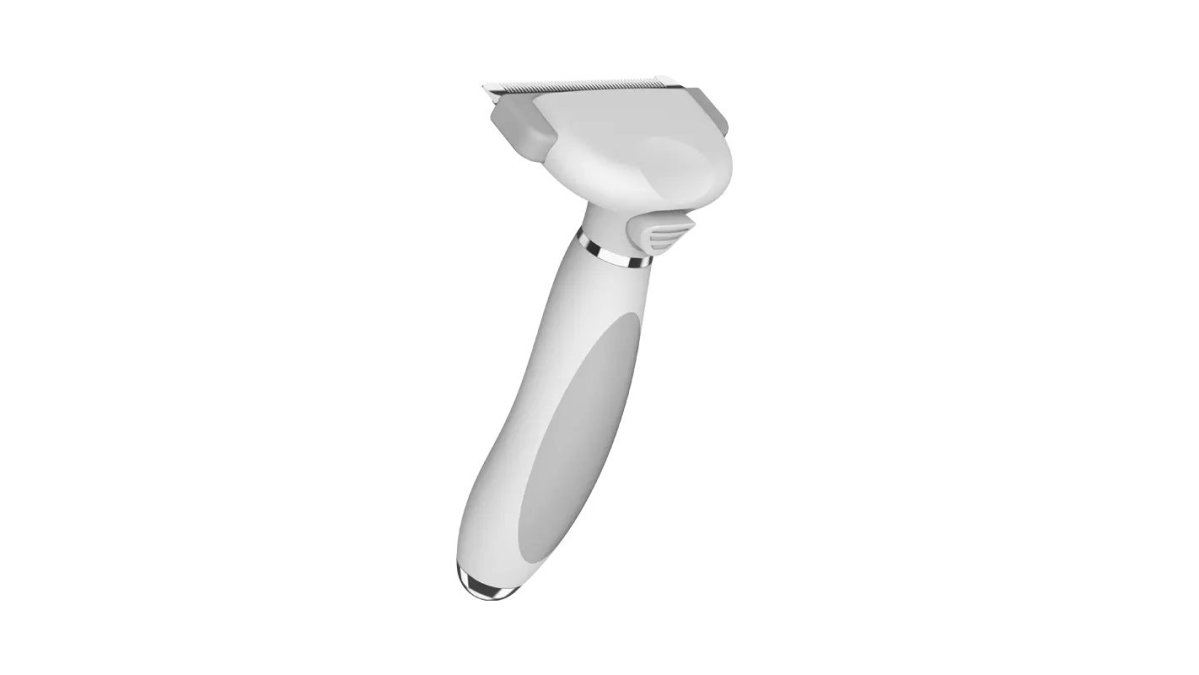
1. Professional Pet Grooming Kit: The All-in-One Starter
Our top pick is the Professional Pet Grooming Kit at $39.40. It bundles a quiet cordless clipper with everything required for a full groom: four comb attachments (3mm, 6mm, 9mm, 12mm), a steel comb, nail clippers, file, and cleaning brush.
It offers a 60-minute battery life on a five-hour charge and works while charging. For the price, it helps you avoid buying mismatched separate tools.
2. Pet Grooming Brush Tool: The Shedding Solution
For double-coated breeds, the Pet Grooming Brush Tool with Vacuum Attachment at $30.82 removes loose undercoat hair and sucks it straight into your vacuum. The fine bent wires penetrate deep into the undercoat without scratching the skin, effectively removing mats and tangles.
It works on dogs and cats of all sizes. Hand wash with warm water and dry completely before storing.
3. Pet Nail Grinder: The Finishing Touch
The Pet Nail Grinder at $29.99 files the nail down gradually, which can be ideal for dark nails where the quick is hard to see.

The grinder suits both large and small dogs and cats. It runs on batteries. Start by letting your pet sniff the tool while it is off, then turn it on near them so the sound becomes familiar before you touch a paw.
Dog Grooming Supplies for Beginners: What You Actually Need
Many new owners overbuy. Dog grooming supplies for beginners should cover four jobs: brushing, clipping, nail care, and cleaning. A slicker brush or undercoat rake, a clipper, a nail grinder or clippers, and a grooming comb suffice.
You do not need a grooming table or a high-velocity dryer at home unless you have a show dog or a thick-coated breed that mats easily. A grooming hammock, like the Pet Nails Trimming Pet Grooming Hammock at $26.87, is a worthwhile addition if your pet resists nail trims, as it suspends them securely and keeps all four paws accessible.
How to Groom a Dog at Home Safely
Grooming a dog at home safely starts with preparation. Begin by brushing the entire coat to remove mats and tangles before introducing clippers, as a matted coat pulls at the skin and makes clipping painful.
Work in a well-lit area and use snap-on combs to control length. Never force a clipper through a mat, as this can nick the skin. For sensitive areas like the face and paws, use blunt-tip scissors or the smallest comb setting. If your pet becomes stressed, stop and try again later.
Essential Pet Nail Trimming Tools and Techniques
Pet nail trimming tools fall into two categories: guillotine clippers and grinders. Clippers are faster but risk cutting the quick; grinders are slower but safer, especially for dark nails.
Keep styptic powder on hand. If you nick the quick, apply the powder to stop bleeding. Trim small amounts at a time, and stop if you see a dark dot in the center of the nail. For nervous pets, the grooming hammock keeps them still and gives a clear view of each nail.
Maintaining Your Tools: Cleaning and Blade Care
Tool sanitation and blade care are the most overlooked parts of home grooming. A dirty blade pulls at fur, dulls faster, and can transfer bacteria or yeast between pets. Proper maintenance is about safety, not just longevity. Here is the full routine.
The 3-Step Cleaning Protocol After Every Groom
Step 1: Remove hair immediately. Hair wraps around the blade's drive mechanism, generates heat, dulls the edge, and can burn your pet's skin. After each use, detach the blade and sweep hair out with the cleaning brush. For stubborn hair, use tweezers or a seam ripper, never your fingers.
Step 2: Disinfect, don't just wipe. A dry wipe leaves behind oils, dander, and microbes. Spray the blade with a pet-safe disinfectant (labeled for veterinary or grooming use) and let it sit for 60 seconds, then wipe dry. Do not soak the blade or submerge the clipper body, water causes rust or electrical failure.
Step 3: Oil before storage. Blade oil reduces friction, prevents rust, and keeps the cutting action smooth. Apply one drop to the front edge while running, let it run for 10 seconds, wipe off excess, and store with the blade facing up.
Blade Sharpening: When and How
A blade needs sharpening after 10-15 full grooms, or sooner if it tugs or leaves uneven lines (avma.org). You have two options:
- Send it out: Professional grooming supply stores offer mail-in sharpening for $10-$15 per blade. This is the safest option for home users.
- Use a sharpening stone (advanced): Use a fine-grit (4000-8000) whetstone (peer-reviewed research). Run the blade flat in one direction only, 10-15 strokes, then test on paper. Do not attempt this on ceramic or titanium-coated blades unless the manufacturer states it is safe.
Tool-Specific Care That Most Guides Skip
- Vacuum attachment brushes: Hand wash in lukewarm water with dish soap, air dry for 24 hours. Never use a hair dryer, heat warps the rubber base.
- Nail grinders: Remove the head and tap over a trash can to dislodge dust, then wipe with an alcohol pad. Replace the head every 3-4 months, as worn heads generate heat.
- Slicker brushes: Use a comb to lift trapped hair after each session. Once a month, soak in warm soapy water for 15 minutes, rinse, and dry with pins facing down.
The 5-Minute Monthly Deep Clean
Once a month, check the clipper blade for nicks or uneven wear, replace if chipped. Examine the power cord for fraying and the battery for swelling. Lubricate moving hinges on nail clippers with mineral oil. This five-minute check prevents mid-groom failure.
Why This Matters More Than Tool Selection
A well-maintained clipper can outperform a neglected one.
Choosing Tools for Different Coat Types
Coat texture is the single biggest factor determining whether your grooming tools will work or cause pain. A tool perfect for a Husky can be harmful for a Poodle. Here is how to match tools to the four major coat types, what problems each creates, and which tools to avoid.
Double Coats (Husky, Golden Retriever, German Shepherd)
Double-coated breeds have a dense, soft undercoat beneath a coarser topcoat. It sheds heavily twice a year, and if not removed, becomes trapped and forms mats close to the skin.
- Primary tool: An undercoat rake with long, rotating stainless steel pins (at least 1 inch long) to reach through the topcoat without snagging it.
- Secondary tool: A vacuum attachment brush, which captures hair before it triggers allergies and settles into carpets.
- What to avoid: Furminator-style tools with short blades, as they cut the topcoat and damage natural insulation.
- Frequency: 2-3 times per week during shedding season; weekly otherwise.
Curly and Wavy Coats (Poodle, Bichon Frise, Doodle Mixes)
Curly coats do not shed like double coats, dead hair becomes trapped in the curl and forms tight, painful mats against the skin if not brushed out.
- Primary tool: A pin brush with rounded tips. Brush in sections, lifting the hair and brushing from roots to tips.
- Secondary tool: A metal greyhound comb to check for missed mats, if it snags, you missed one.
- Clipper requirement: A detachable-blade clipper with a sharp #10 blade.
- What to avoid: Slicker brushes with fine, dense pins, which break the curl pattern and cause frizz.
- Frequency: Daily brushing is non-negotiable. A full trim every 4-6 weeks.
Short Smooth Coats (Beagle, Boxer, Labrador)
Short coats are the easiest to maintain, but loose hair sits close to the skin and is hard to remove with standard brushes.
- Primary tool: A rubber curry brush or grooming glove, used in a circular motion.
- Secondary tool: A soft bristle brush to distribute natural oils and add shine.
- What to avoid: Undercoat rakes and deshedding tools with long metal pins, which irritate the skin.
- Frequency: Weekly brushing; 2-3 times per week during shedding season.
Long Silky Coats (Shih Tzu, Yorkshire Terrier, Maltese)
These coats grow continuously and tangle easily, especially behind the ears, under the legs, and around the collar.
- Primary tool: A slicker brush with fine, bent wires. Brush in small sections, holding the hair at the base to reduce pulling.
- Secondary tool: A detangling spray or leave-in conditioner, applied before brushing.
- Clipper requirement: A fine-tooth blade (such as a #30 or #40) for sensitive areas.
- What to avoid: Undercoat rakes and furminators, which strip the minimal undercoat and leave the coat dull.
- Frequency: Daily brushing. A trim every 4-6 weeks.
The Breed-Specific Tool Kit Approach
Instead of buying a generic "pet grooming kit," build your kit around your pet's coat type:
| Coat Type | Must-Have Tools | Tools to Skip | Biggest Mistake to Avoid |
|---|---|---|---|
| Double Coat | Undercoat rake, vacuum brush, slicker brush | Furminator (overuse damages topcoat) | Shaving the coat in summer (destroys insulation) |
| Curly Coat | Pin brush, greyhound comb, detachable-blade clipper | Slicker brush (breaks curls) | Letting mats reach the skin before addressing them |
| Short Coat | Rubber curry brush, bristle brush | Undercoat rake (unnecessary) | Using a slicker brush (irritates skin) |
| Long Silky Coat | Slicker brush, detangling spray, fine-tooth clipper blade | Undercoat rake (strips topcoat) | Brushing dry hair without conditioner |
How to Test If Your Tool Is Working Correctly
Run the tool through the coat once, then run your hand over the same area. If you feel snags or the pet flinches, the tool is wrong for the coat or the blade is dull. A correctly matched tool glides with minimal resistance and the pet stays calm.
Conclusion
Home grooming does not have to be stressful or expensive. Start with the essential pet grooming tools, learn your pet's coat type, and build a routine that keeps both of you calm. The right equipment, maintained properly, saves money and strengthens your bond.
Frequently Asked Questions
What are the essential grooming tools for beginners?
For most new pet owners, a solid foundation includes a slicker brush for removing loose fur, a stainless steel comb for detangling, a quality pair of clippers for trimming, and a nail grinder or clipper for paw care. Starting with a versatile kit, like a professional pet grooming kit, gives you the core tools without a large upfront investment. As you get comfortable, you can add specialized tools like an undercoat rake or dematting tool based on your pet's specific coat texture.
How do I choose the right brush for my pet's coat type?
Match the brush to the coat texture. For short, smooth coats, a soft bristle brush or a grooming glove works well. Double-coated breeds like Huskies need an undercoat rake to reach the dense fur beneath the topcoat. Long-haired pets often require a slicker brush to prevent matting, followed by a pin brush for finishing. A stainless steel comb is useful for all coat types to check for tangles and remove any loose hair the brush missed.
Are professional grooming tools worth the investment for home use?
Yes, investing in higher-quality pet grooming tools can be beneficial. Tools with stainless steel blades and detachable blade systems can be sharper. While the upfront cost is higher, these tools can handle regular grooming sessions for years.
How often should I groom my pet at home?
The frequency depends on your pet's breed and coat type. As a general rule, aim to brush your dog or cat at least 2-3 times per week to remove loose hair and prevent mats. Pets with longer or double coats may need daily brushing. Nail trimming is typically needed every 3-4 weeks. Bathing frequency varies, but over-bathing can strip natural oils, so it's often best to do it only when they are dirty or as recommended by your vet.
Smitty's Pet Store makes this easy with a curated selection of grooming tools chosen for safety and durability. From the Professional Pet Grooming Kit to the vacuum brush and nail grinder, every product is tested for home use. Get started with Smitty's Pet Store and turn grooming into a stress-free part of your pet care routine.