

Best Healthy Treats for Training Young Pets (2026 Guide)

Table of Contents
- What to Look for in the Best Healthy Treats for Training Young Pets
-
Top 8 Best Healthy Treats for Training Young Pets: Our Picks
- 1. Zuke's Mini Naturals: Best Overall Low-Calorie Training Treat
- 2. Wellness Soft Puppy Bites: Best for Puppies Under One Year
- 3. PureBites Freeze-Dried: Best Single-Ingredient High-Value Reward
- 4. Blue Buffalo Blue Bits: Best for All Life Stages
- 5. Merrick Power Bites: Best Grain-Free High-Protein Option
- 6. Stella & Chewy's Freeze-Dried Morsels: Best for Allergy-Prone Pets
- 7. Cloud Star Wag More Bark Less: Best Natural Soft Chew
- 8. KONG Stuff'N Easy Treat: Best for Enrichment-Based Reward Training
- Low Calorie Puppy Training Treats: Managing Daily Allowance Without Overfeeding
- How to Use Treats for Puppy Training at Each Stage
- Best Human Food for Dog Training: Safe and Practical Options
- Allergy-Friendly and DIY Training Treat Options
- Quick Comparison: Top Training Treats at a Glance
- Which Training Treat Should You Choose?
Last Updated: August 4, 2026

Finding the best healthy treats for training young pets is one of the first real decisions new pet owners face. At Smitty's Pet Store, we offer a curated selection of trusted pet supplies, ranging from everyday essentials and grooming products to playful accessories and wearables. Beyond our high-quality products, we provide practical tips and guidance to ensure your pets stay happy and healthy. Below, we'll show you how to match treat type to training stage, calculate treat calories within your puppy's daily budget, and choose allergen-friendly options.
The right training treat balances high-value rewards with digestibility, bite-sized portions, and nutritional balance. A treat your puppy loves but can't eat quickly, or one that pushes them over their daily allowance by noon, is not effective.
Quick Picks:
- Best Overall: Zuke's Mini Naturals - ideal low-calorie soft chew for frequent reward-based training
- Best for Puppies Under One Year: Wellness Soft Puppy Bites - DHA support and grain-free formula
- Best Single-Ingredient: PureBites Freeze-Dried - human-grade, allergen-free, and highly palatable
- Best for Allergy-Prone Pets: Stella & Chewy's Freeze-Dried Morsels - 98% meat with added probiotics
- Best for Enrichment Training: KONG Stuff'N Easy Treat - mess-free paste for extended engagement
What to Look for in the Best Healthy Treats for Training Young Pets
Training treats must be small enough to eat in one bite, soft enough to chew quickly, palatable enough to maintain focus, and low enough in calories to allow for dozens of repetitions without overfeeding.
According to the Association of American Feed Control Officials' pet food labeling guidelines, treats should not exceed 10% of a pet's total daily caloric intake. For a young puppy eating roughly 400-600 calories per day, that means a treat budget of 40-60 calories total.
Freeze-dried proteins and real meat-based soft chews consistently outperform grain-based biscuits in training because the scent and texture signal high value to the dog's brain. Young pets have developing digestive systems, so limited ingredient treats with natural preservatives and no artificial fillers reduce the risk of upset stomachs mid-session.
Soft vs. Crunchy Training Treats: Which Works Better for Puppies?
Soft-chew treats are the clear winner for active training sessions with young pets. Crunchy treats require more chewing time, which breaks the rhythm of training sequences and can frustrate a food-motivated puppy. Soft treats are consumed in under two seconds, keeping the dog's attention on you rather than the treat itself.
Ingredients to Avoid in Dog Treats
Avoid these ingredients in training treats:
- Xylitol: A sweetener that is highly toxic to dogs even in small amounts
- Propylene glycol: Associated with digestive issues and potential toxicity in cats
- Artificial colors and flavors: Offer no nutritional value and can trigger sensitivities
- BHA and BHT: Synthetic antioxidants; many owners prefer natural preservatives like mixed tocopherols
- Excessive sugar or corn syrup: Contributes to obesity and metabolic health issues
- Splintering risk ingredients: Cooked bone fragments can splinter and cause internal injury
Grain-free is not automatically better. Many grain-free treats substitute legumes or potatoes, which carry their own considerations. The key is a short, recognizable ingredient list with a named protein source as the first ingredient.
Top 8 Best Healthy Treats for Training Young Pets: Our Picks
Choosing the right training treat depends on your puppy's age, size, sensitivity profile, and training type.
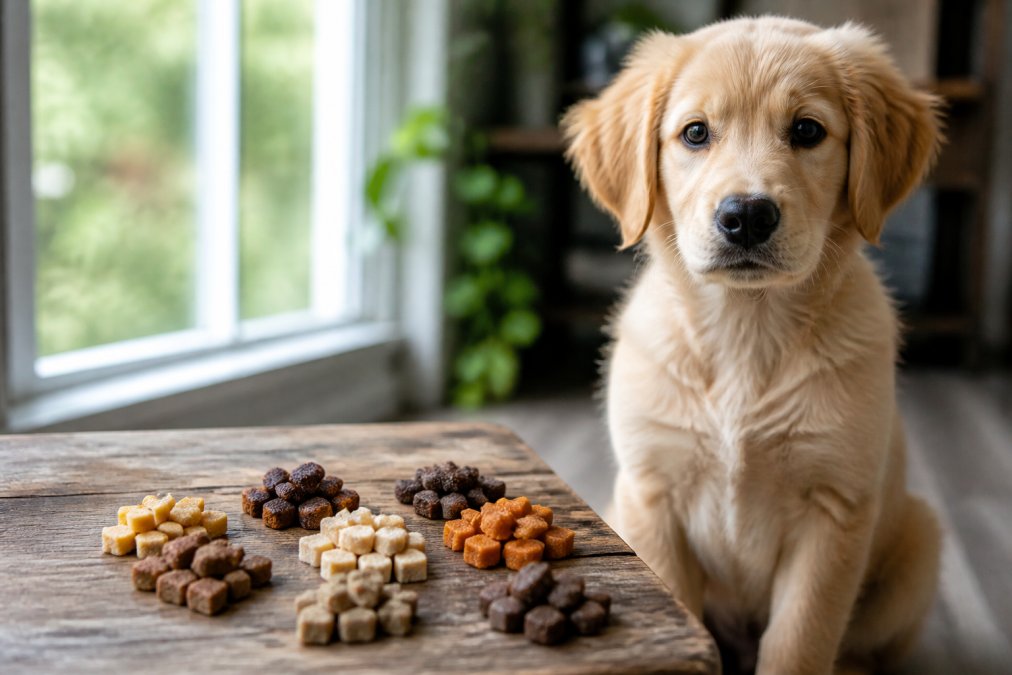
1. Zuke's Mini Naturals: Best Overall Low-Calorie Training Treat
Zuke's Mini Naturals delivers just 2-3 calories per treat with a soft, chewy texture that disappears in seconds. Real meat is the primary ingredient, supported by wholefood berries and free of corn, wheat, and soy.
These treats hold up well during 30-minute outdoor sessions without crumbling or leaving residue.
Pros:
- 2-3 calories per treat allows for 20+ reward repetitions within daily allowance
- Soft texture means fast consumption and unbroken training rhythm
- Multiple flavors prevent palatability fatigue
Cons:
- Some recipes contain oats and rice, which may not suit strict grain-free requirements
2. Wellness Soft Puppy Bites: Best for Puppies Under One Year
Purpose-formulated for puppies under 12 months, Wellness Soft Puppy Bites include natural DHA sourced from salmon, which supports brain and nervous system development during the critical socialization window. The protein source is a premium lamb and salmon blend, and the formula is grain-free.
Use this treat when training puppies between 8 and 24 weeks, when reward-based training has the most lasting impact on behavioral reinforcement.
Pros:
- DHA supports cognitive development during peak neurological growth
- Grain-free formula suits puppies with early-onset grain sensitivities
- Bite-sized shape works well for luring and shaping
Cons:
- Formulated specifically for puppies, so it's not a long-term option as your dog ages
3. PureBites Freeze-Dried: Best Single-Ingredient High-Value Reward
PureBites contains one ingredient: 100% pure beef liver or chicken breast, freeze-dried raw to preserve nutrients and flavor. The human-grade sourcing and single-ingredient profile make this ideal for pets with diagnosed food allergies or elimination diet protocols.
Freeze-drying preserves the palatability of raw food without requiring refrigeration. For high-stakes training moments like introducing new environments or working through fear responses, PureBites functions as a genuinely high-value reward.
Pros:
- Single ingredient makes it ideal for allergy management and elimination diets
- Freeze-dried raw process retains nutrients and maximizes scent-based palatability
- Sourced and made in the USA
Cons:
- Higher cost per ounce than multi-ingredient options
- Crumbly texture can create mess in a treat pouch
4. Blue Buffalo Blue Bits: Best for All Life Stages
Blue Buffalo Blue Bits work across the full age spectrum, from puppies to seniors. Real chicken or beef is the first ingredient, and the formula includes DHA for cognitive support plus omega-3 fatty acids for skin and coat health.
The omega-3 fatty acid content is a genuine differentiator for breeds prone to skin conditions.
Pros:
- Versatile across all life stages, reducing the need to buy separate products
- No chicken by-product meals, corn, wheat, or soy
- DHA and omega-3 fatty acids add meaningful nutritional value
Cons:
- Some recipes contain cane sugar, which owners focused on metabolic health may want to avoid
5. Merrick Power Bites: Best Grain-Free High-Protein Option
Real deboned meat is the first ingredient in every Merrick Power Bites recipe. The grain-free, gluten-free formula is built for pets with sensitive digestive systems. The soft, chewy texture makes them easy to break into smaller pieces, and added fresh fruits and vegetables contribute antioxidants.
Pros:
- High protein content with real deboned meat as the first ingredient
- Grain-free and gluten-free for sensitive stomachs
- Soft enough to break into smaller pieces on the fly
Cons:
- Higher calorie count per treat compared to mini-format options
6. Stella & Chewy's Freeze-Dried Morsels: Best for Allergy-Prone Pets
Stella & Chewy's Freeze-Dried Raw Dinner Morsels are 98% meat, organs, and bone, making them one of the most nutrient-dense treat options available. The grain-free, gluten-free formula includes no artificial preservatives or colors, and each morsel is fortified with added vitamins, minerals, and probiotics for digestive health.
Pros:
- Extremely high-value treat due to raw meat content and strong scent
- Probiotics support digestive health during training-heavy periods
- Can be rehydrated or fed dry, adding flexibility
Cons:
- Higher price point than conventional treats
- Requires thoughtful handling given the raw nature of the product
7. Cloud Star Wag More Bark Less: Best Natural Soft Chew
Cloud Star's Wag More Bark Less treats are oven-baked in the USA with simple, high-quality ingredients and no artificial flavors or colors. Both grain-inclusive and grain-free options are available.
The soft, chewy texture breaks apart easily, which is useful for adjusting portion size mid-session. The variety of available flavors helps prevent palatability fatigue in dogs trained daily over several weeks.
Pros:
- Natural ingredients with no artificial additives
- Grain-free options available alongside whole grain recipes
- Easy to break into smaller pieces for portion control
Cons:
- Some recipes contain vegetable glycerin and maple syrup as sweeteners
8. KONG Stuff'N Easy Treat: Best for Enrichment-Based Reward Training
KONG Stuff'N Easy Treat is a sprayable paste designed for use with KONG toys, delivering sustained engagement through enrichment-based reward training. For puppies learning to self-soothe or manage separation anxiety, loading a KONG with this paste provides minutes of focused activity from a small calorie investment.
Pros:
- Mess-free application via easy-dispense nozzle
- Extends treat engagement time significantly compared to discrete treats
- Highly palatable across most flavor preferences
Cons:
- Calorie density requires careful portioning to stay within daily allowance
- Some flavors contain sugar or artificial smoke flavoring
Low Calorie Puppy Training Treats: Managing Daily Allowance Without Overfeeding
Obesity prevention starts in puppyhood. Young pets that receive excessive treats during training are at real risk of weight-related health issues later in life.
How to Calculate Treat Calories Within Your Puppy's Daily Budget
The standard guidance from veterinary nutrition sources, including the Cummings Veterinary Medical Center at Tufts University, is that treats should account for no more than 10% of a dog's total daily caloric intake.
Step 1: Find your puppy's daily caloric requirement. Your veterinarian can calculate this based on age, breed, and current weight.
Step 2: Calculate your treat budget. Multiply the daily caloric requirement by 0.10. A puppy on 500 calories per day has a treat budget of 50 calories.
Step 3: Count your treat repetitions. If you're using Zuke's Mini Naturals at 2-3 calories per treat, that's 17-25 treats per day across all training sessions.
Step 4: Reduce the meal portion proportionally. On heavy training days, reduce the main meal by the number of calories consumed in treats to maintain nutritional balance.
| Treat | Calories Per Treat | Treats Per 50-Cal Budget | Best Training Use |
|---|---|---|---|
| Zuke's Mini Naturals | 2-3 | 17-25 | High-repetition obedience |
| Wellness Soft Puppy Bites | ~3-4 | 12-17 | Puppy socialization |
| PureBites Freeze-Dried | ~2-4 | 12-25 | High-value distraction training |
| Merrick Power Bites | ~5-7 | 7-10 | Shaping new behaviors |
| Stella & Chewy's Morsels | ~3-5 | 10-17 | Allergy-safe high-value rewards |
How to Use Treats for Puppy Training at Each Stage
The most effective training treats change as your puppy develops. What works for a 10-week-old learning to sit differs from what works for a 6-month-old learning loose-leash walking in a distracting environment.
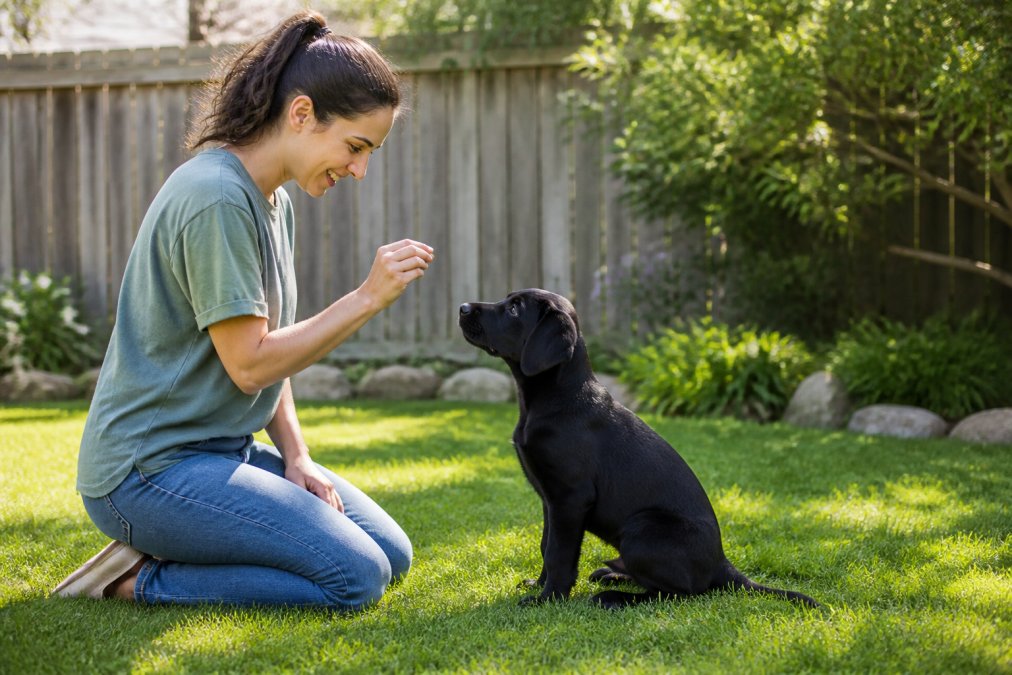
Luring, Shaping, and Reinforcing: Matching Treat Type to Training Stage
Luring (8-16 weeks): Use the most aromatic, highest-value treat available. Freeze-dried options like PureBites work exceptionally well because the scent is intense and the puppy follows the hand reliably.
Shaping (4-6 months): As the puppy begins to offer behaviors independently, treat value can drop slightly. Soft chews like Zuke's Mini Naturals maintain motivation without requiring premium pricing at every repetition.
Reinforcing (6-12 months): Build duration, distance, and distraction tolerance. Variable reward schedules become appropriate, meaning you don't treat every single repetition. Reserve high-value treats for breakthrough moments and use lower-value treats for maintenance of known behaviors.
Treats for Teething Puppies: Texture Matters
Teething typically occurs between 3 and 6 months of age, and it changes what a puppy finds comfortable to eat. Hard, crunchy treats can cause discomfort against sore gums. Soft chews are the clear choice during this period, with KONG Stuff'N Easy Treat paste offering a particularly gentle option.
If you want to use freeze-dried options, rehydrate them with a small amount of water to soften the texture before offering.
Best Human Food for Dog Training: Safe and Practical Options
Human food can be excellent for dog training. Several options are genuinely superior to commercial treats for high-value reward moments.
Safe and effective options:
- Cooked chicken breast (plain, unseasoned): A top-tier protein source with no additives. Cut into pea-sized pieces before your session.
- Cooked turkey breast: Similar profile to chicken, useful for rotation to prevent palatability fatigue.
- Baby carrots or carrot pieces: Low-calorie, naturally sweet, and crunchy.
- Plain cooked sweet potato: Soft, digestible, and appealing to most dogs.
- Blueberries: Low-calorie, antioxidant-rich, and highly motivating.
- Plain cooked salmon (boneless): Rich in omega-3 fatty acids. Excellent for dogs with skin sensitivities.
According to the ASPCA's Animal Poison Control Center guidelines, foods that must never be used as training treats include grapes, raisins, onions, garlic, macadamia nuts, and anything containing xylitol.
Human food training treats work best when portioned and prepared in advance.
Allergy-Friendly and DIY Training Treat Options
Food allergies and sensitivities are common in young pets. Common allergens in commercial treats include chicken, beef, dairy, wheat, and soy. If your puppy shows signs of digestive upset, itchy skin, or ear infections after introducing a new treat, a food sensitivity is a reasonable first suspect.
Allergen-free training treats prioritize a single novel protein source (venison, duck, rabbit, or fish) combined with a short ingredient list. Stella & Chewy's Freeze-Dried Morsels and PureBites both excel here. For dogs on veterinary elimination diets, single-ingredient freeze-dried options are often the only commercially available treats that qualify.
Simple DIY Training Treat Recipes You Can Make at Home
DIY treats give you complete control over every ingredient, which matters enormously for allergy management.
Recipe 1: Salmon and Sweet Potato Bites
- 1 can of plain canned salmon (no salt added, bones removed)
- 1/2 cup cooked, mashed sweet potato
- 1/2 cup oat flour (substitute coconut flour for grain-free)
- Mix into a stiff dough, roll to 1/4-inch thickness, cut into pea-sized pieces
- Bake at 350°F for 12-15 minutes until firm
- Refrigerate for up to 5 days or freeze for up to 3 months
Recipe 2: Chicken Liver Brownies
- 1/2 pound raw chicken livers (blended smooth)
- 1 egg
- 1/2 cup rice flour or almond flour
- Spread thin on a lined baking sheet
- Bake at 350°F for 20 minutes, cool completely, cut into small squares
Recipe 3: Pumpkin and Turkey Bites
- 1/2 cup plain canned pumpkin (not pie filling)
- 1/2 cup cooked ground turkey (plain)
- 1 cup oat flour
- Mix, roll, cut into small pieces, bake at 325°F for 18 minutes
Quick Comparison: Top Training Treats at a Glance
| Treat | Best For | Key Feature | Texture | Grain-Free |
|---|---|---|---|---|
| Zuke's Mini Naturals | High-repetition training | 2-3 cal per treat | Soft chew | Some recipes |
| Wellness Soft Puppy Bites | Puppies under 1 year | DHA for brain development | Soft chew | Yes |
| PureBites Freeze-Dried | Allergy-prone pets | Single ingredient | Firm/crumbly | Yes |
| Blue Buffalo Blue Bits | All life stages | Omega-3 + DHA | Soft chew | No |
| Merrick Power Bites | High-protein needs | Deboned meat first | Soft chew | Yes |
| Stella & Chewy's Morsels | Allergy and raw diet | 98% meat + probiotics | Freeze-dried | Yes |
| Cloud Star Wag More | Natural soft chew | No artificial additives | Soft chew | Options available |
| KONG Stuff'N Easy Treat | Enrichment training | Paste for KONG toys | Paste | Varies |
Which Training Treat Should You Choose?
The right training treat depends on your puppy's age and health profile, the type of training you're running, and your daily treat budget.
If your puppy is under 6 months: Start with Wellness Soft Puppy Bites for the DHA benefit, and reserve PureBites for high-stakes training moments like new environment introductions.
If your puppy has known allergies or sensitivities: PureBites or Stella & Chewy's Freeze-Dried Morsels are the safest commercial options. DIY treats with a single novel protein are even more controlled.
If you're running multiple training sessions per day: Zuke's Mini Naturals is the most practical choice. The calorie count allows for genuine high-repetition training without overfeeding.
If you're focused on enrichment and mental stimulation: KONG Stuff'N Easy Treat extends engagement time and works well alongside physical training sessions.
If you want maximum flexibility across a multi-dog household: Blue Buffalo Blue Bits work from puppyhood through senior years, reducing the number of different products you need to manage.
The broader principle, supported by the American Kennel Club's training and nutrition guidance, is that the best training treat is one your dog genuinely wants, that you can deliver quickly, and that fits within a thoughtfully managed daily caloric budget. Nutrition and behavioral reinforcement are not competing priorities. Done right, they reinforce each other.
Frequently Asked Questions
What are the healthiest dog training treats for puppies?
The healthiest training treats for puppies are soft, bite-sized, and low in calories. Top options include Zuke's Mini Naturals at 2-3 calories per treat, Wellness Soft Puppy Bites with added DHA for brain development, and PureBites Freeze-Dried treats made from a single human-grade ingredient. Look for real meat as the first ingredient, no artificial preservatives, and limited filler ingredients. Soft-chew textures work best because puppies can eat them quickly and stay focused during a training session.
How many training treats should a puppy have per day?
A general guideline is that treats should make up no more than 10% of your puppy's total daily calorie intake. For a small puppy eating around 300-400 calories per day, that leaves roughly 30-40 calories for treats. With a treat like Zuke's Mini Naturals at 2-3 calories each, that allows for 10-15 rewards per session without overfeeding. Always check your specific treat's calorie count on the packaging and adjust your puppy's meal portions accordingly to support healthy metabolic health.
What are the best low calorie puppy training treats for frequent reward sessions?
For high-frequency reward-based training, you want treats under 5 calories each. Zuke's Mini Naturals (2-3 calories), Pup-Peroni Mini Training Treats (2.5 calories), and PureBites Freeze-Dried Chicken Breast are all strong low-calorie options. Alternatively, small pieces of plain cooked chicken breast or baby carrots work well as human food alternatives. Breaking larger soft-chew treats like Merrick Power Bites into smaller pieces is another practical way to stretch your treat budget across a longer training session.
Are human foods safe to use as puppy training treats?
Several human foods make excellent training treats for dogs. Plain cooked chicken breast, small pieces of cooked lean turkey, baby carrots, blueberries, and plain cooked sweet potato are all safe, nutritious options. Avoid grapes, raisins, onions, garlic, macadamia nuts, xylitol-sweetened foods, and anything with added salt or seasoning. Human food rewards work especially well as high-value treats during difficult training stages. Always introduce new foods gradually to monitor for digestive sensitivity, and keep portions small.
What treats do professional dog trainers typically use?
Professional trainers tend to favor small, soft, high-value treats that a dog can eat in under two seconds without losing focus. Freeze-dried single-ingredient treats like beef liver or chicken breast are popular for advanced training because of their strong palatability. For everyday reward-based training, mini soft chews such as Zuke's Mini Naturals are a common choice. Many trainers also rotate treat types to maintain a food-motivated dog's interest and reserve the highest-value rewards for the most challenging new behaviors.
New pet owners often feel overwhelmed choosing between dozens of treat options, each making similar claims about natural ingredients and training suitability. Smitty's Pet Store cuts through that confusion with a curated selection of trusted pet supplies chosen for real-world training effectiveness, backed by practical guidance that helps you build a confident, stress-free pet care routine. Visit smittyspetcare.com to find the right training treats for your puppy's age, size, and dietary needs.
This article was written using GrandRanker